

SECTION 01 / SIGNAL ROOMSIX GUIDES.
SIX GUIDES.
ONE EQUIPMENT ROOM.
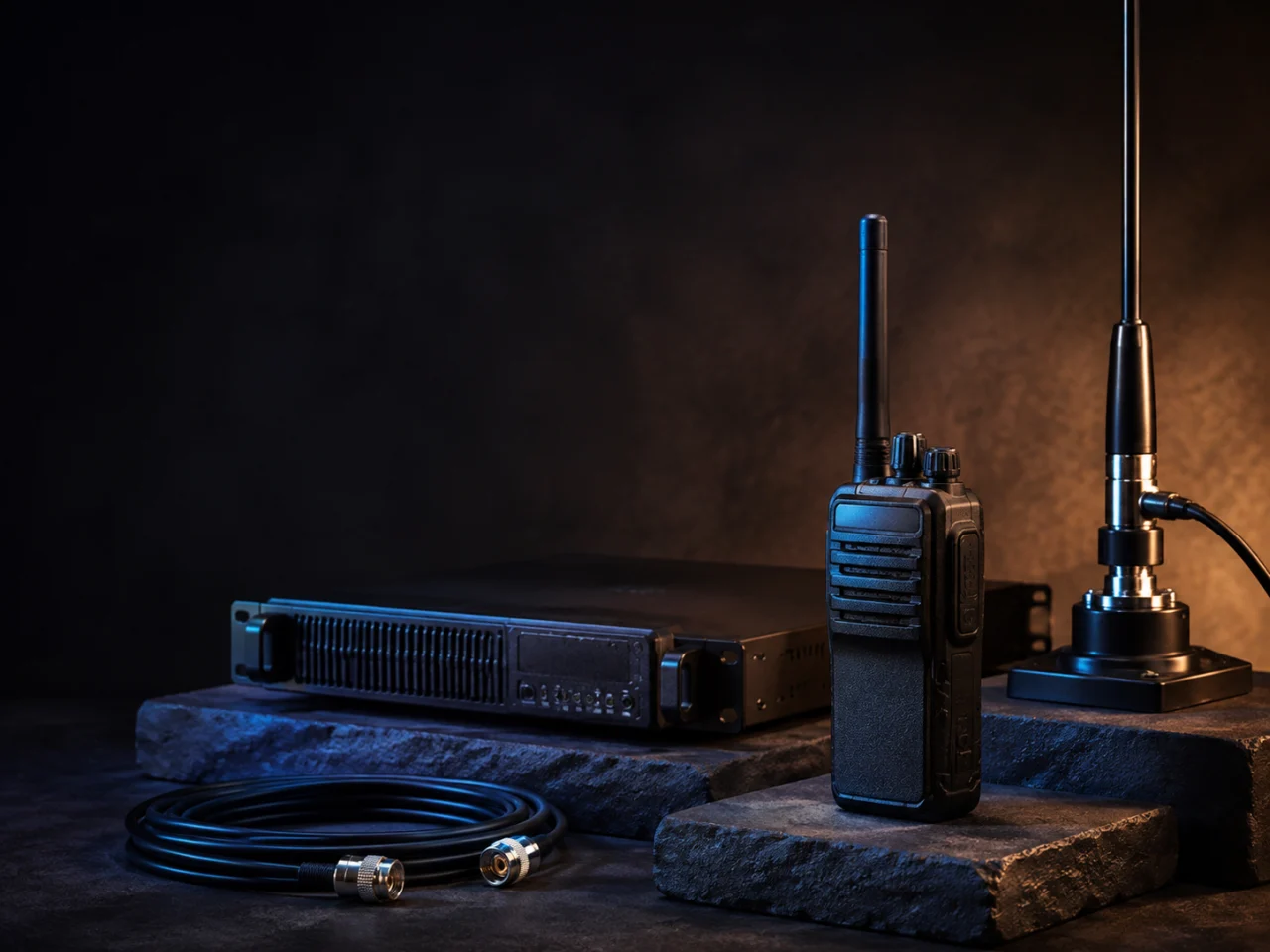
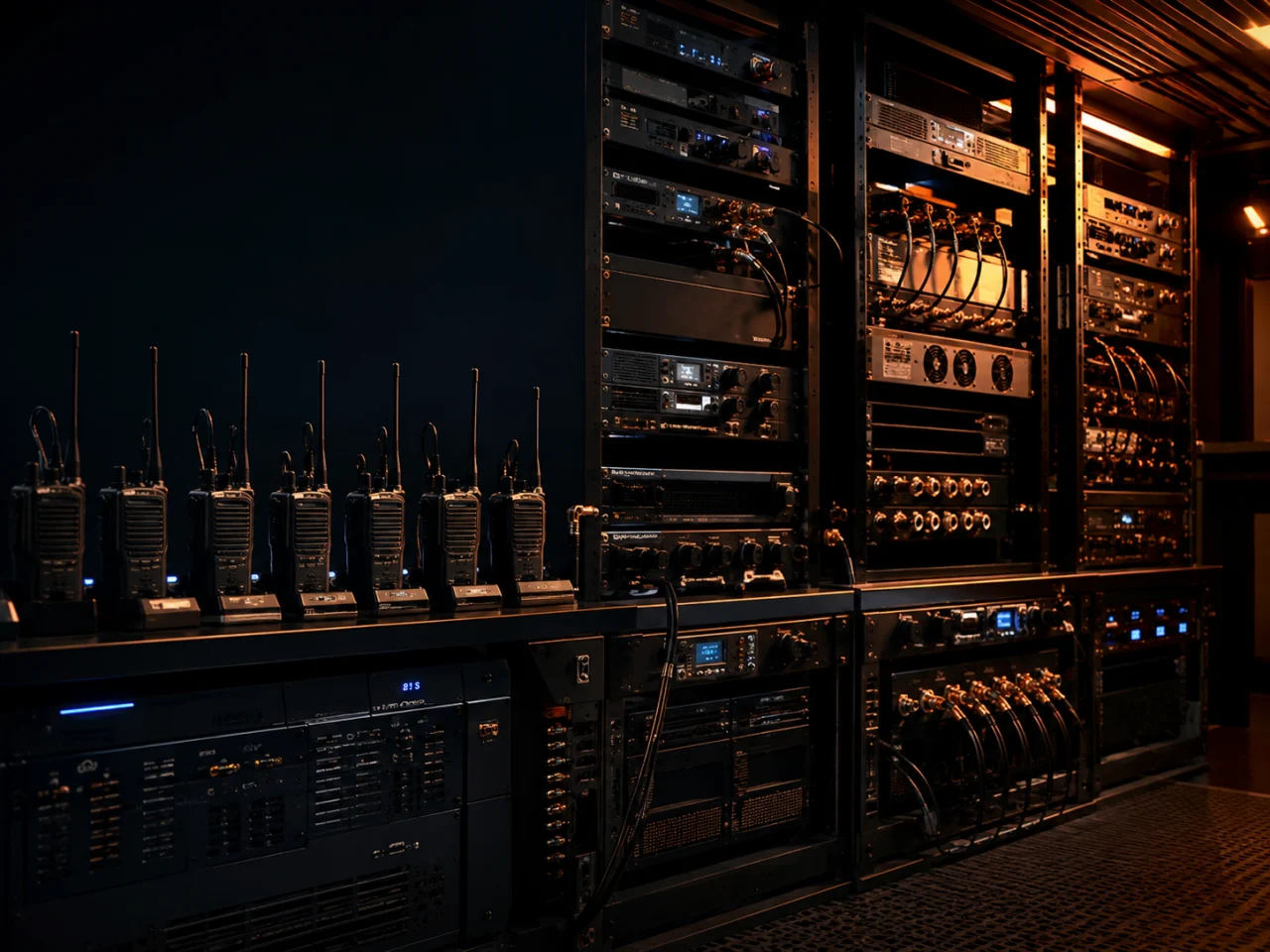
Explore the repeater, six-way charger, DC backup, BDA / DAS head-end, RF distribution and alarm monitoring system.
EXPLORE THE GUIDES →FIELD GUIDE 07 Airport operations
A planning guide for keeping ground crews, service vehicles and turnaround teams in step.
Read the planning guide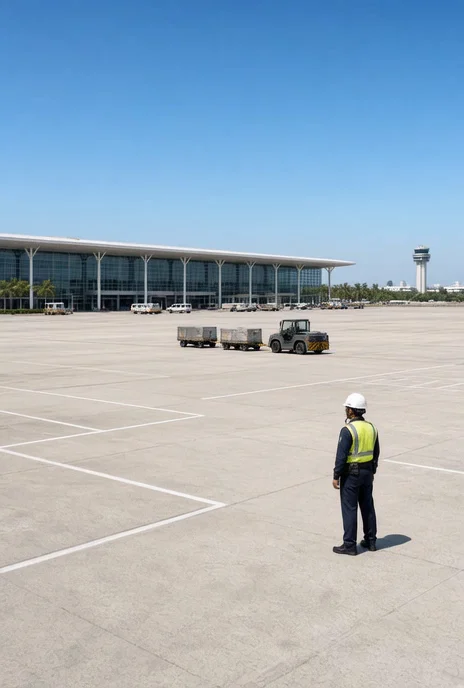
Airport ground-radio coordination must be planned within the airport operator's approved airside, safety and communications arrangements. A useful brief maps authorised ground handovers, the roles involved and the places where calls occur, then routes any technical review through the operator's established controls rather than treating the page as operational instruction.
01 / CONTEXT
Apron, baggage, servicing and turnaround work can be time-sensitive, but the operational authority and communications rules belong to the airport and its approved service providers. This guide is intentionally limited: it helps a team describe a communication need, identify the handovers involved and prepare questions for the responsible airport operator or authorised technical reviewer.
Approved airside, safety and communications arrangements control the work.
Turnaround, service and vehicle coordination calls that need an accountable owner.
Any equipment or configuration request must follow the operator's formal process.
02 / PLANNING PATH
Use these steps to prepare a clearer internal brief. They help surface the operating details a site survey, equipment review or authorised technical consultation needs.
State the ground handover that needs review, the teams involved and the normal process it supports. Do not create a new airside procedure or channel plan from a generic webpage.
Confirm the airport operator or authorised provider who owns the relevant airside, safety and communications process. That owner determines the permissible next step and review path.
Note the relevant work area, vehicle movement, noise, turnaround sequence and approved access constraints. The aim is a precise request that can be evaluated within the existing controls.
Submit any technical, equipment or call-path request through the airport's authorised process. Keep the guide as briefing support, not as a substitute for an airport operational instruction.
03 / BRIEF CHECKLIST
For airport ground operations, the right next step is an operator-led review, not an independent radio configuration decision.
04 / QUESTIONS FOR THE WORK
No. Airside communications and procedures are controlled by the airport operator and applicable authorities. This page does not authorise a channel, equipment, procedure or access arrangement.
A clear handover identifies the operational purpose of a communication request. It helps the authorised owner assess whether the request fits existing procedures, risks and responsibilities.
Use the airport operator's established process and authorised technical or operational owners. The correct approver depends on the airport's own governance and the nature of the requested change.
05 / SOURCES AND NEXT READING
These sources provide regulatory or operating context. They do not certify this guide or substitute for the actual site's authorised requirements.