


SECTION 01 / SIGNAL ROOMSIX GUIDES.
SIX GUIDES.
ONE EQUIPMENT ROOM.
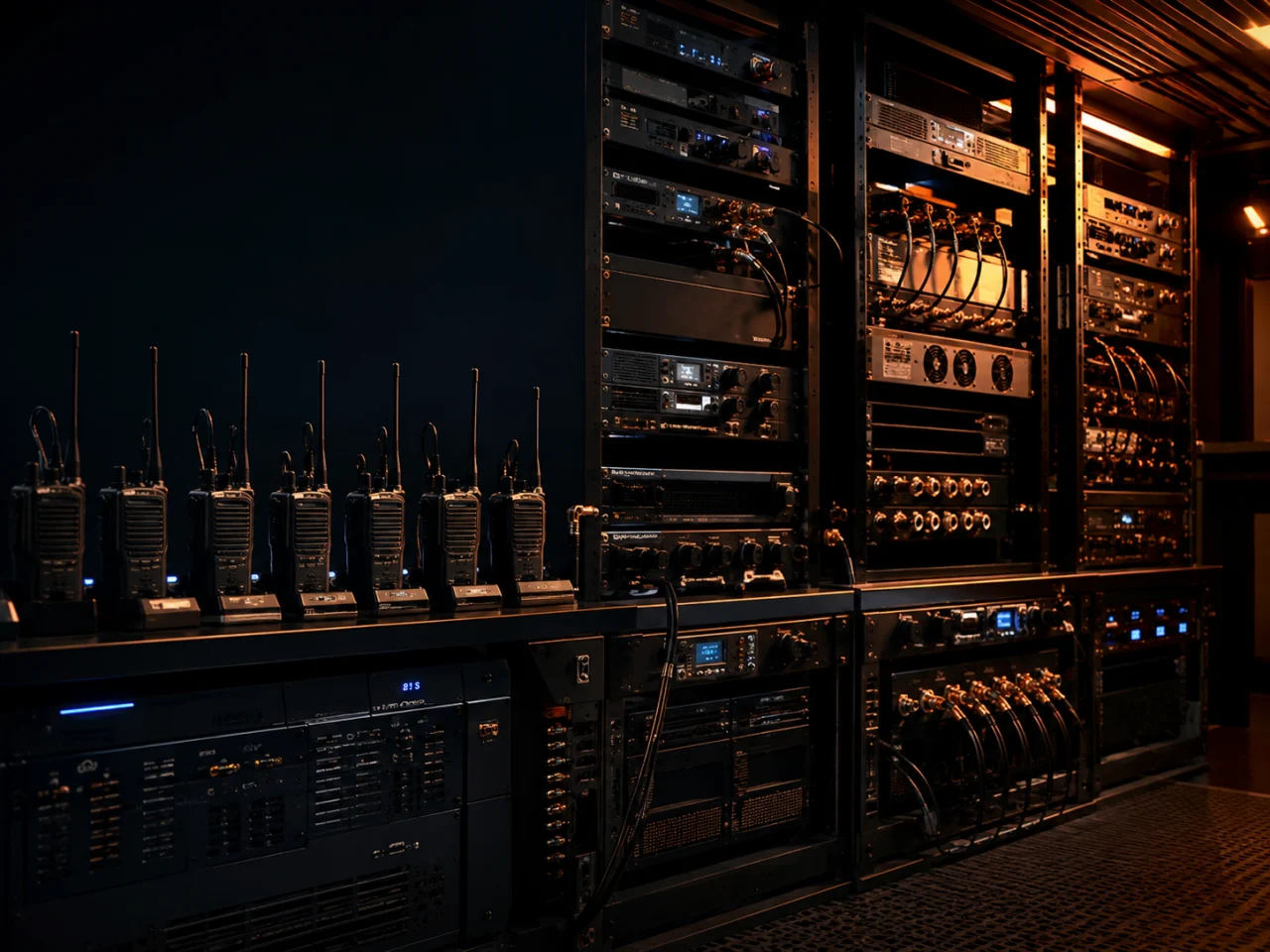
Explore the repeater, six-way charger, DC backup, BDA / DAS head-end, RF distribution and alarm monitoring system.
EXPLORE THE GUIDES →FIELD GUIDE 09 Renewable energy
A planning guide for keeping inspection crews and control points connected across the array.
Read the planning guide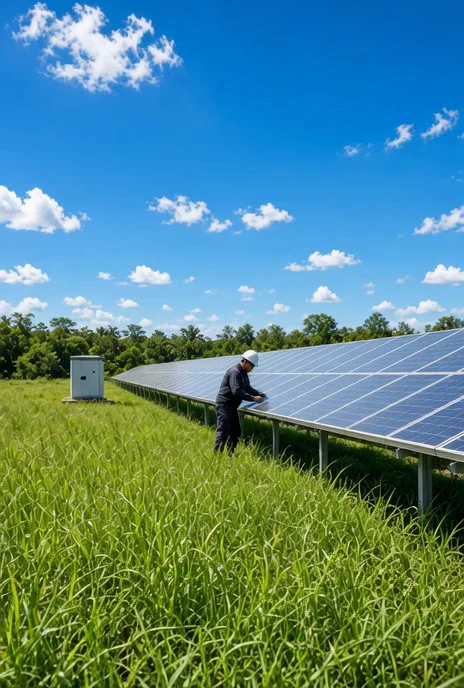
Solar-farm maintenance communication should be planned along the inspection loop, not from a single control-room location. Map panel rows, inverter points, access routes and escalation calls; review the real terrain and equipment context; then validate representative maintenance handovers with the intended users before making a coverage or equipment decision.
01 / CONTEXT
Large arrays spread work across panel rows, inverter stations, access roads and a control point. The communication requirement is often a sequence: report an observation, request support, coordinate an isolation or hand a finding back. A useful brief captures those steps and the route on which they occur, without treating a broad site outline as evidence of a usable call path.
Panel rows, inverter points, access routes and control-room handovers.
Terrain, exposure, shelters, equipment areas and safe-access conditions.
Who receives a maintenance observation and owns the next action.
02 / PLANNING PATH
Use these steps to prepare a clearer internal brief. They help surface the operating details a site survey, equipment review or authorised technical consultation needs.
Record the route from control point to panel rows, inverter stations, work areas and return. Mark the calls that indicate an observation, request assistance or confirm the next step.
Note terrain, row spacing, shelters, equipment areas and approved access conditions. The planning aim is an accurate survey brief, not a generic performance promise.
Describe who receives the observation, who decides the next action and how a routine update differs from an urgent escalation. Keep any operational safety decision within the site's approved process.
Review selected calls on the actual maintenance route with the intended users and equipment. Keep a dated record of locations, result and any follow-up action.
03 / BRIEF CHECKLIST
Bring the maintenance route and handover points, plus the site controls that govern access and work around electrical equipment.
04 / QUESTIONS FOR THE WORK
No. Site area does not capture the actual inspection routes, terrain, equipment shelters, user location or operating conditions. Use a route-based review for the calls crews need.
No. Follow the solar site's authorised electrical, access and safety procedures. This page only helps organise a communication-planning discussion around the maintenance workflow.
Record the date, route or location, users, intended call, result, exception and the person who owns the next response. This creates a reviewable basis for further technical work.
05 / SOURCES AND NEXT READING
These sources provide regulatory or operating context. They do not certify this guide or substitute for the actual site's authorised requirements.