

SECTION 01 / SIGNAL ROOMSIX GUIDES.
SIX GUIDES.
ONE EQUIPMENT ROOM.
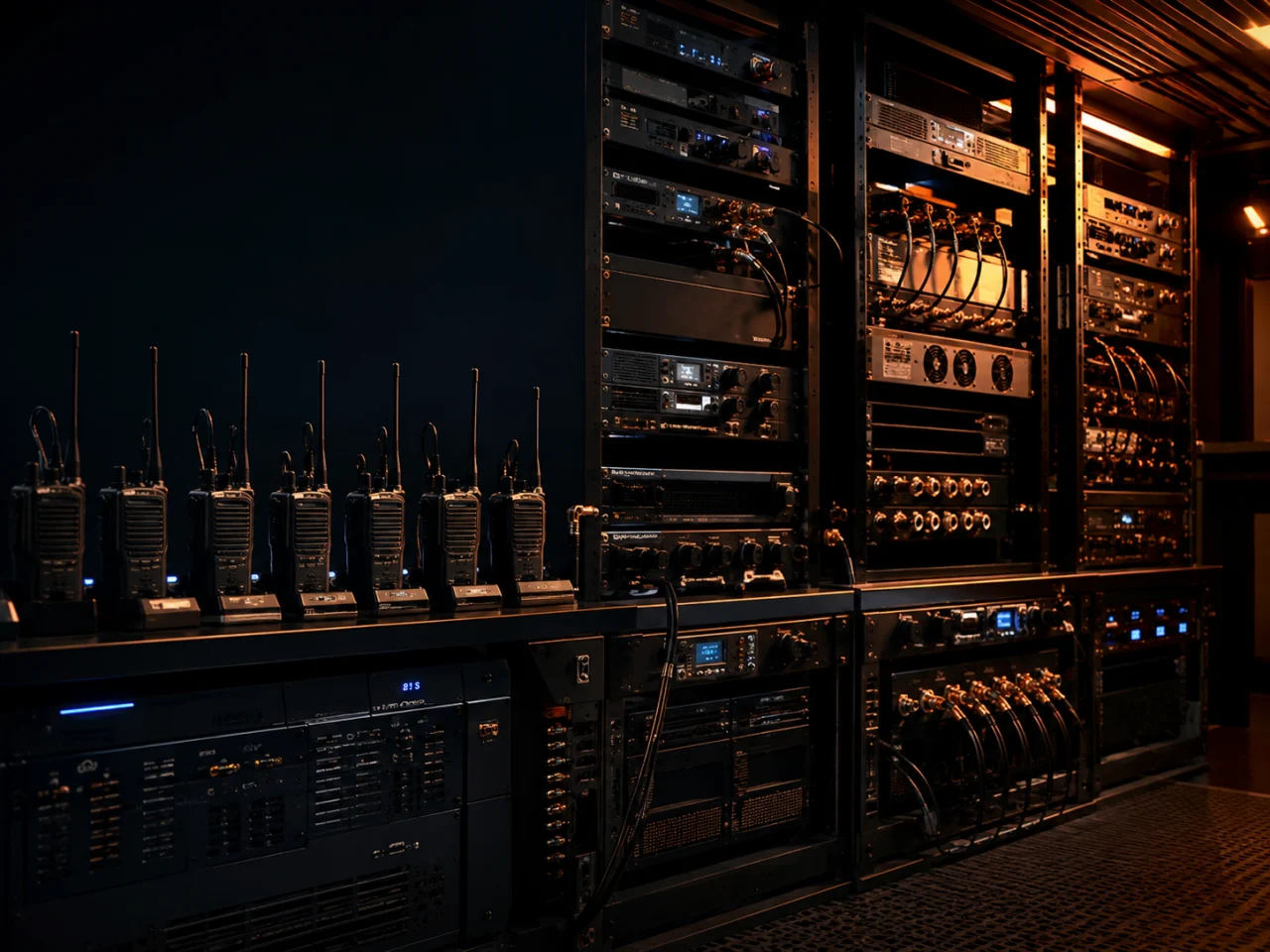
Explore the repeater, six-way charger, DC backup, BDA / DAS head-end, RF distribution and alarm monitoring system.
EXPLORE THE GUIDES →FIELD GUIDE 10 Venue operations
A planning guide for aligning barriers, service routes and venue teams before a live event.
Read the planning guide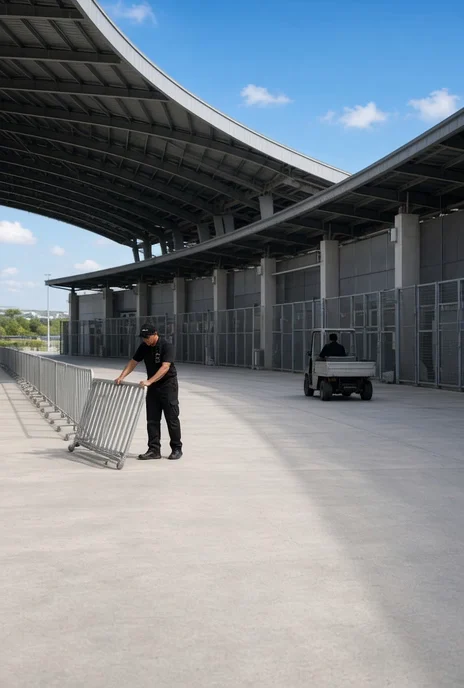
Stadium event radio communication should be planned around the venue's approved event, safety and crowd-management arrangements. Trace the opening sequence, identify gate, service and escalation handovers, and rehearse representative calls with the authorised team. The goal is a clearer operating brief, not an independent event-control or emergency procedure.
01 / CONTEXT
Before gates open, teams may coordinate barriers, service access, concourses, facilities and supervisor updates. The radio brief is strongest when it names the trigger for each handover and the operational owner who confirms it. It should attach to the venue's approved event plan, not invent a new crowd, security or emergency workflow.
Barrier, gate, concourse, service and supervisor handovers.
The approved event, access, safety and emergency arrangements remain controlling.
A controlled check of representative calls before the live event.
02 / PLANNING PATH
Use these steps to prepare a clearer internal brief. They help surface the operating details a site survey, equipment review or authorised technical consultation needs.
List the planned handovers from setup through gate opening: barriers, service access, concourse readiness, gate confirmation and the escalation path. Keep each call tied to its accountable operational owner.
Note concourses, service gates, roofed routes, staging areas and the approved access conditions for the event. The purpose is to create a precise communications brief within the venue plan.
Define who needs routine coordination, who needs shared readiness updates and how an urgent matter is referred into the venue’s authorised procedure. Avoid turning every user into every-channel traffic.
Before the live event, review selected calls with the authorised teams. Record the expected trigger, recipient, location, result and any action required before opening.
03 / BRIEF CHECKLIST
Bring the approved event plan and the opening handovers that would benefit from a clearer, reviewed call path.
04 / QUESTIONS FOR THE WORK
No. Event, security, crowd-management and emergency procedures must come from the venue's authorised plan and responsible operators. This guide only supports radio-planning conversations within that framework.
A rehearsal checks whether the intended people can make and receive the calls that trigger opening handovers. It provides a chance to record gaps before the event instead of relying on a generic radio check.
Not necessarily. Start with the calls each group must hear, then have the authorised event owner review the proposed communication structure against the venue plan.
05 / SOURCES AND NEXT READING
These sources provide regulatory or operating context. They do not certify this guide or substitute for the actual site's authorised requirements.