INDUSTRY USE-CASE GUIDE
HOTEL RADIO COMMUNICATION PLANNING
A practical guide to planning walkie-talkie communication for hotel teams: handovers, user groups, work zones, batteries and a first equipment brief.
01PLANNING PATH
READ GUIDEStart with the operating question. These 26 guides help teams prepare a radio communication brief around their actual work.
EXPLORE THE GUIDESEquipment, rental, programming, service, repeaters, batteries and accessories — start with the work that needs to happen.
SHOWING 26 OF 26 GUIDES

INDUSTRY USE-CASE GUIDE
A practical guide to planning walkie-talkie communication for hotel teams: handovers, user groups, work zones, batteries and a first equipment brief.
01PLANNING PATH
READ GUIDE
INDUSTRY USE-CASE GUIDE
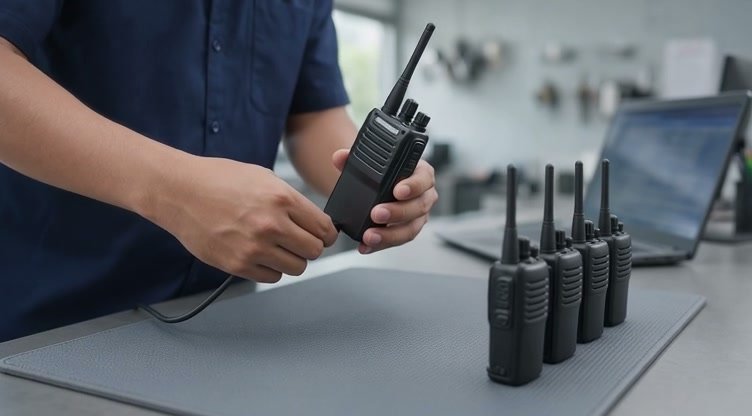
What to include in an event radio rental brief: dates, simultaneous users, call groups, accessories, handover, charging and return ownership.
02PLANNING PATH
READ GUIDE
INDUSTRY USE-CASE GUIDE
A practical pre-reprogramming checklist for two-way radios: exact models, channel plan, user groups, symptoms, asset count and acceptance checks.
03PLANNING PATH
READ GUIDE
INDUSTRY USE-CASE GUIDE
How to separate a radio repair assessment, parts request and replacement option so a service decision can be checked item by item.
04PLANNING PATH
READ GUIDE
INDUSTRY USE-CASE GUIDE
A planning guide for comparing UHF and VHF repeater options by intended band, handheld variants, operating areas, infrastructure and coverage evidence.
05PLANNING PATH
READ GUIDE
INDUSTRY USE-CASE GUIDE
How logistics teams can order replacement radio batteries using exact references, asset records, charger positions, spare stock and replacement timing.
06PLANNING PATH
READ GUIDE
INDUSTRY USE-CASE GUIDE
How to reuse a previous event radio rental list safely: recheck users, venue zones, call groups, accessories, charging and return ownership for each event.
07PLANNING PATH
READ GUIDE
INDUSTRY USE-CASE GUIDE
A shift-readiness guide for two-way radio fleets: asset status, battery condition, charger position, repair issues and next user ownership.
08PLANNING PATH
READ GUIDE
INDUSTRY USE-CASE GUIDE
What a construction team should clarify before buying handheld radios: simultaneous users, zones, noisy work, call groups, charging, accessories and existing equipment.
09PLANNING PATH
READ GUIDE
INDUSTRY USE-CASE GUIDE
What to record before adding units to a mixed two-way radio fleet: model variants, band, channel plan, accessories, ownership and programming handover status.
10PLANNING PATH
READ GUIDE
INDUSTRY USE-CASE GUIDE
A practical checklist for ordering radio earpieces: exact model and connector, user role, wearing preference, hygiene process, spare count and replacement plan.
11PLANNING PATH
READ GUIDE
INDUSTRY USE-CASE GUIDE
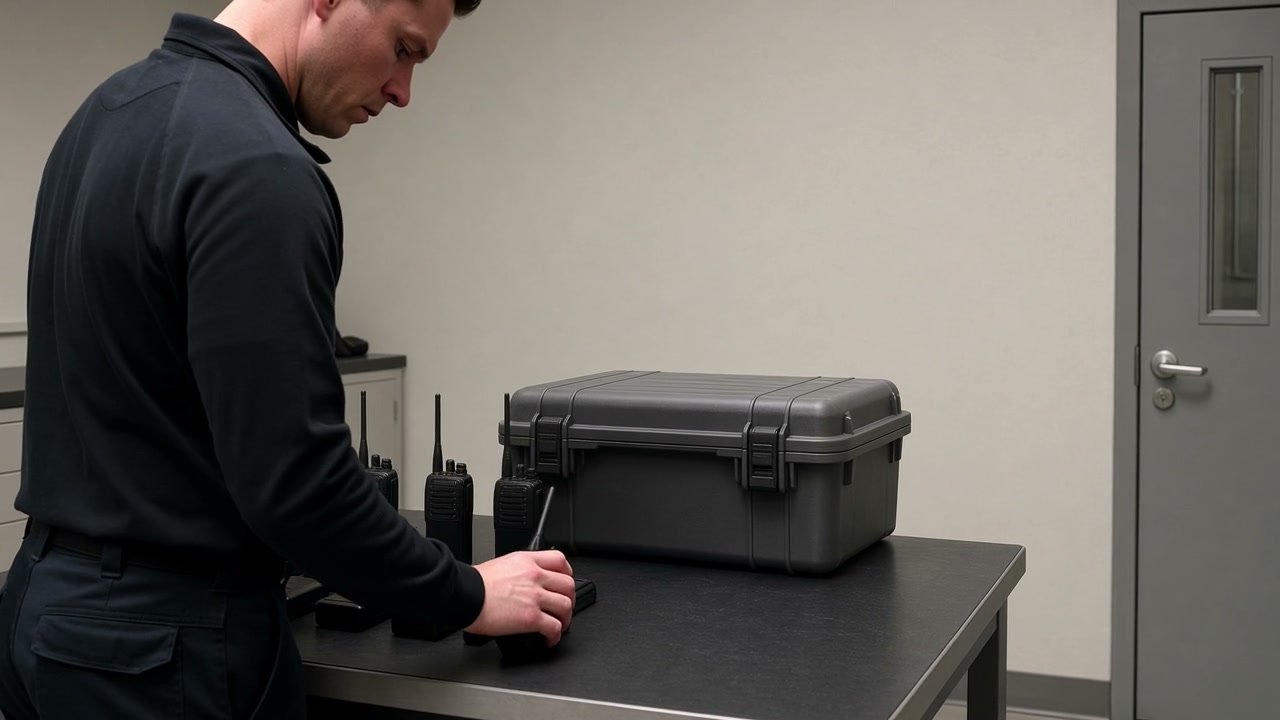
What to document when radio equipment is supplied in phases: list, allocation, accessories, stage status, unresolved questions and handover checks.
12PLANNING PATH
READ GUIDE
INDUSTRY USE-CASE GUIDE
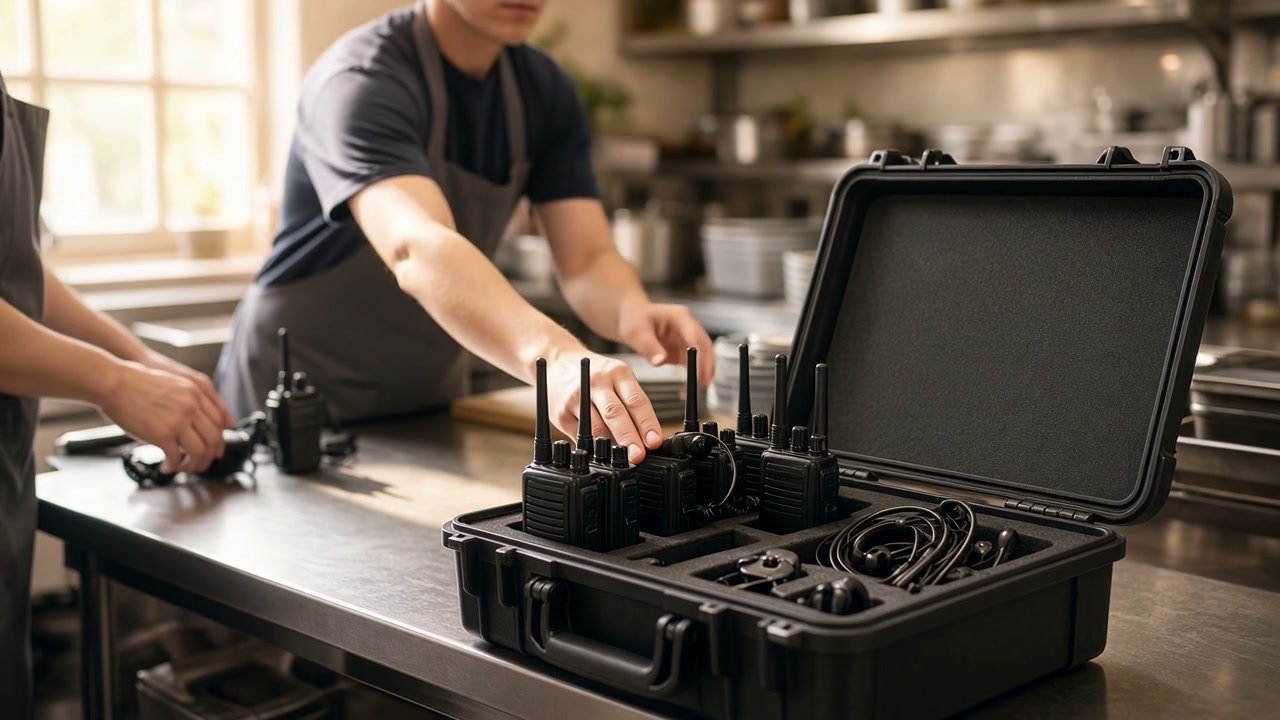
Questions to ask before adding a repeater to handheld radios: operating areas, routes, radio variants, call groups, power, antenna position, interference and evidence.
13PLANNING PATH
READ GUIDE

INDUSTRY USE-CASE GUIDE
How to keep a radio repair record useful: exact model, asset tag, observed symptom, parts, work requested, result to check and next owner.
14PLANNING PATH
READ GUIDE
INDUSTRY USE-CASE GUIDE
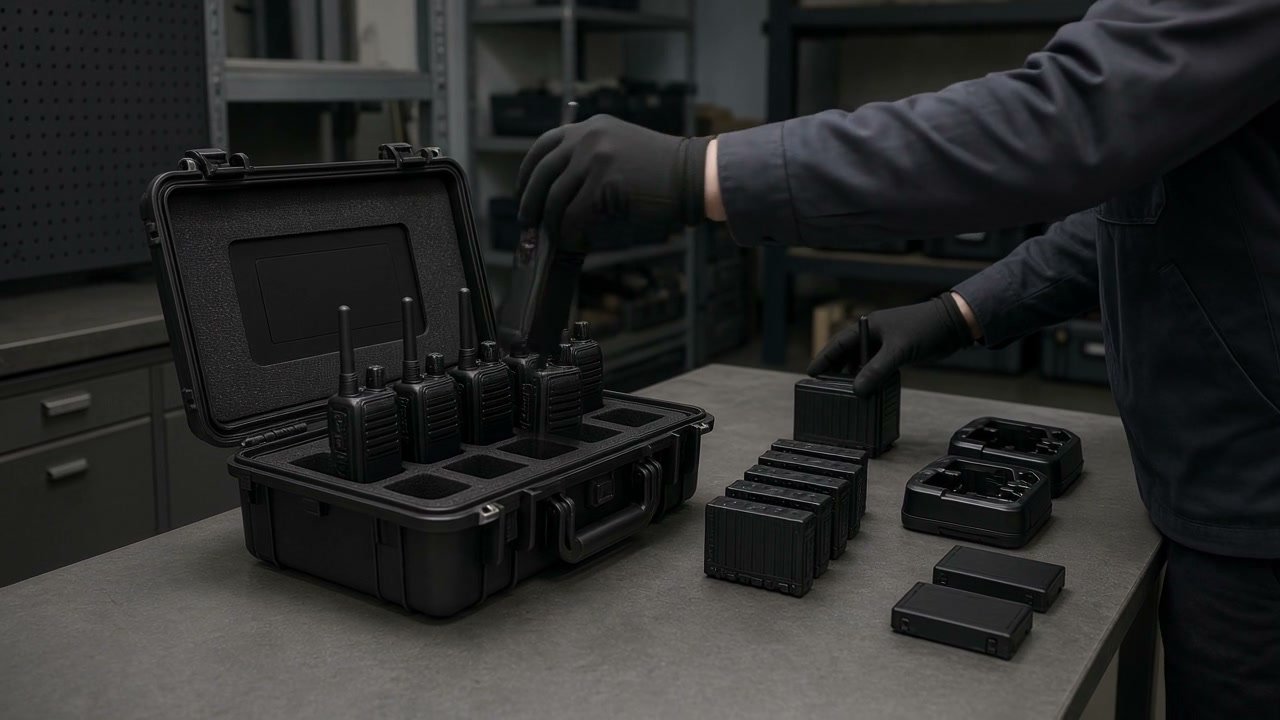
How industrial teams can separate radio stock from battery stock using model, assignment, spare status, charger position, condition and replacement date.
15PLANNING PATH
READ GUIDE
INDUSTRY USE-CASE GUIDE
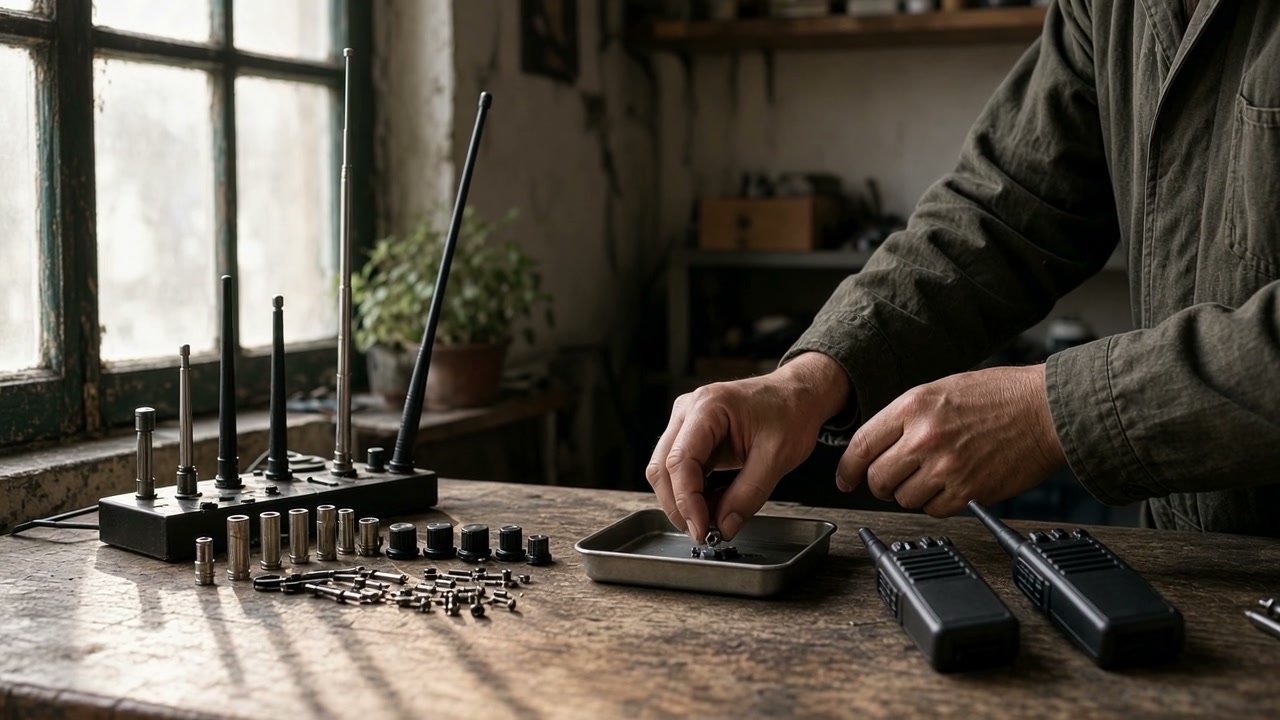
What a mobile service team should include in a short-term radio hire brief: dates, technicians, routes, call groups, handovers, accessories, charging and return ownership.
16PLANNING PATH
READ GUIDE
INDUSTRY USE-CASE GUIDE
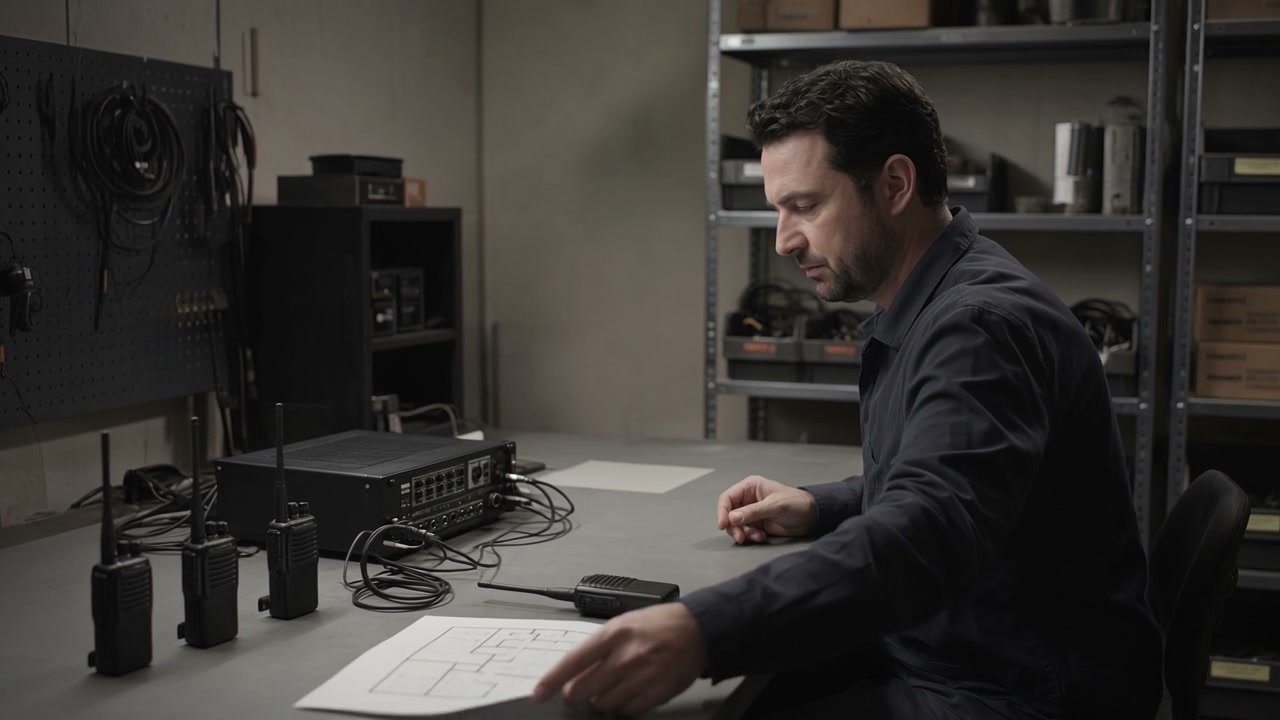
A practical brief for organising the operational and location information needed before discussing a Malaysian business-radio approval path.
17PLANNING PATH
READ GUIDE
INDUSTRY USE-CASE GUIDE
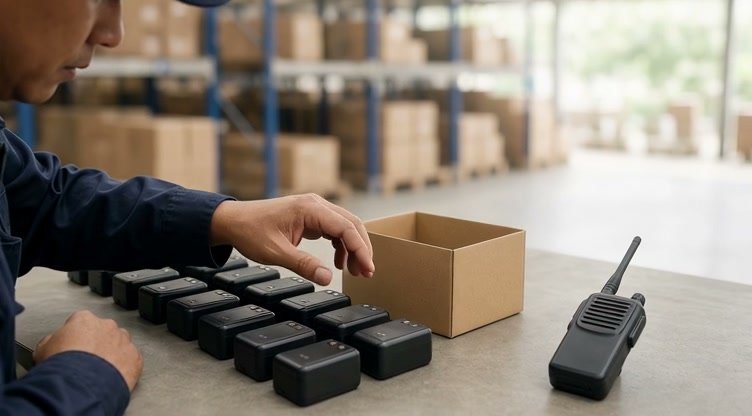
A practical way to assess whether a licence-free radio option matches a small team's operating area, call pattern and equipment checks.
18PLANNING PATH
READ GUIDE

INDUSTRY USE-CASE GUIDE
A planning guide for moving from an existing analogue radio fleet toward a digital communication system without losing track of models, calls or tests.
19PLANNING PATH
READ GUIDE
INDUSTRY USE-CASE GUIDE
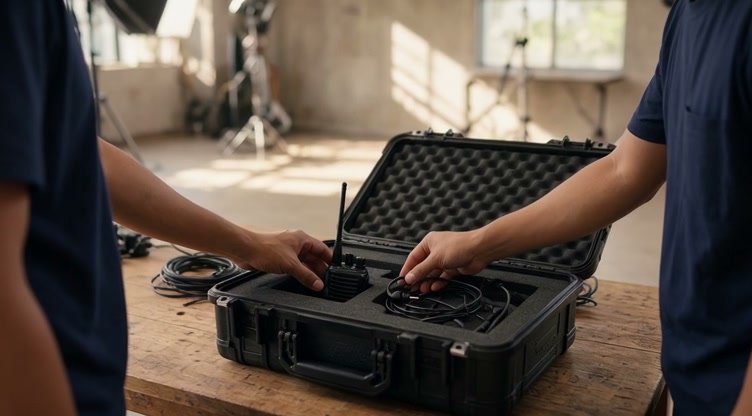
A practical specification checklist for teams selecting radios for rain, dust, wash-down or other weather-exposed operating conditions.
20PLANNING PATH
READ GUIDE
INDUSTRY USE-CASE GUIDE
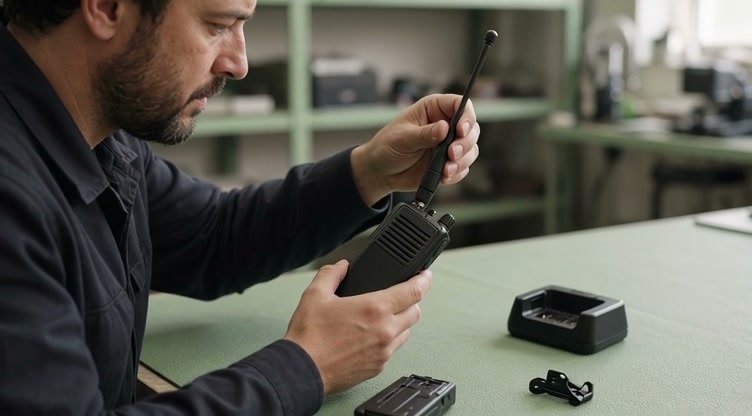
A planning packet for teams that need an exact radio, battery and accessory configuration reviewed for a hazardous work area.
21PLANNING PATH
READ GUIDE
INDUSTRY USE-CASE GUIDE
A practical brief for teams considering a radio antenna replacement or addition without assuming that a connector or antenna length solves a coverage issue.
22PLANNING PATH
READ GUIDE
INDUSTRY USE-CASE GUIDE
A shift-handover plan for organising radios, batteries, chargers, spares and fault records at a shared charging station.
23PLANNING PATH
READ GUIDE
INDUSTRY USE-CASE GUIDE
A lifecycle record for earpieces, speaker microphones, clips, pouches and protective accessories used with a working radio fleet.
24PLANNING PATH
READ GUIDE
INDUSTRY USE-CASE GUIDE
A radio-rental handover checklist for tracking the kit owner, equipment condition, accessories, collection window and return check.
25PLANNING PATH
READ GUIDE
INDUSTRY USE-CASE GUIDE
A service-planning brief that separates radio symptoms, asset references, diagnostic work, possible parts and temporary operating needs.
26PLANNING PATH
READ GUIDESearch an industry, a service or an equipment topic.
Use these guides to organise the operational details, equipment questions and next checks that lead to a clearer radio communication brief. They are general planning resources and do not report a particular team's work, location or outcome.
BACK TO THE COLLECTIONThey are practical planning guides for common radio communication operating environments. Each guide helps organise the work details, radio questions and decisions needed for a clearer brief.
Prepare the simultaneous users, operating areas, call groups, shift pattern, current equipment, accessories, charging routine and any observed issue. The relevant details depend on whether the question is equipment, rental, programming, repair, batteries or a system path.
No. They help structure the questions. Coverage, equipment compatibility, programming and service decisions must be checked against the actual worksite and current equipment.
Tell us what your team needs to coordinate, where the work happens and what equipment or service question is open.
TALK ABOUT YOUR WORK