How to reuse a previous event radio rental list safely: recheck users, venue zones, call groups, accessories, charging and return ownership for each event.
01 / THE GUIDE IN CONTEXTREPEAT EVENT RENTALS
For recurring event teams, production desks and venue coordinators
Repeat event radio rental list
A previous rental list can save time, but only when it is treated as a prompt for questions. The next venue, run sheet, crew size and accessory needs may have changed even if the event format looks familiar.
OBOR KUASA / INDUSTRY USE-CASE GUIDE · Use these guides to organise the operational details, equipment questions and next checks that lead to a clearer radio communication brief. They are general planning resources and do not report a particular team's work, location or outcome.
01 / THE OPERATING QUESTION
Start with the work.
A previous rental list can save time, but only when it is treated as a prompt for questions. The next venue, run sheet, crew size and accessory needs may have changed even if the event format looks familiar.
02 / THE PLANNING DECISION
Make the next step visible.
Keep the previous list as a reference, then re-count simultaneous users, working zones and kit requirements for the next event.
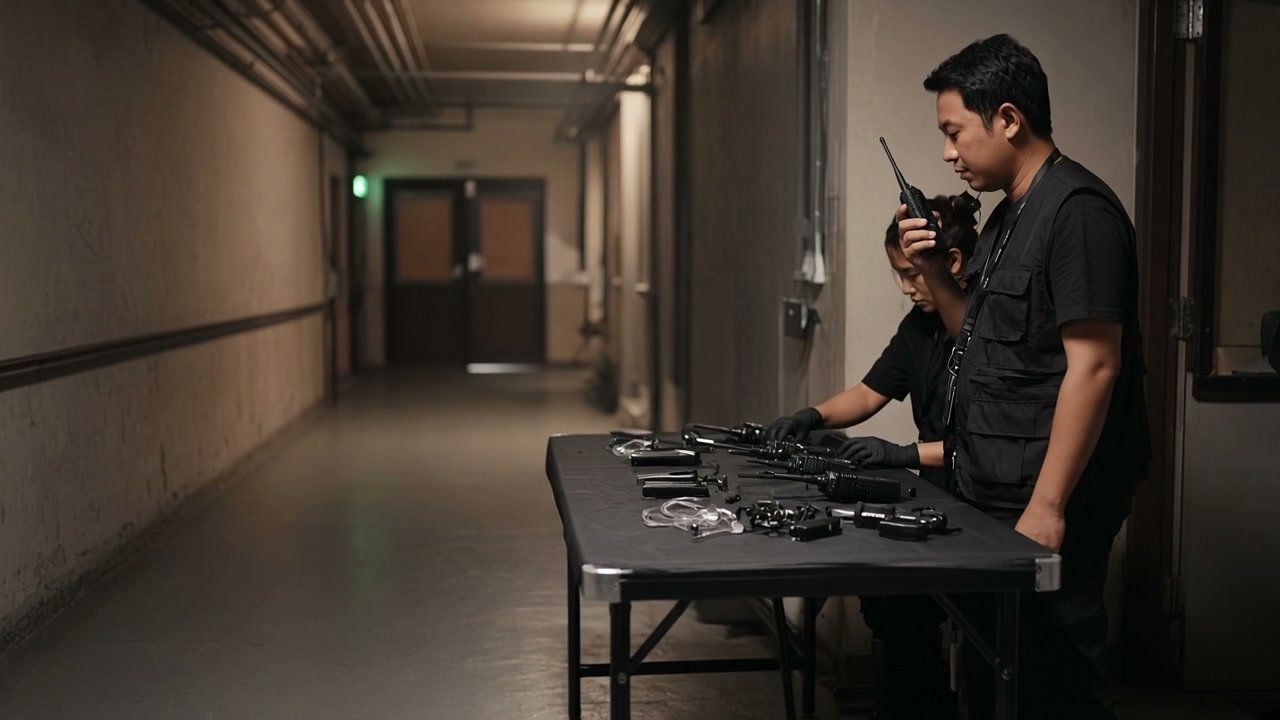
Operating scene reference.
02 / THE PLANNING PATH (04)
START WITH THE WORK. THEN BUILD THE BRIEF.
Keep the previous list as a reference, then re-count simultaneous users, working zones and kit requirements for the next event.
Use this as a planning guide for a comparable operating environment. Confirm equipment, coverage, programme and service decisions against the actual worksite and current equipment.
01 / 04USE-CASE GUIDE
Operating scene reference for the first planning step.
01 / OPEN THE PRIOR LISTUSE-CASE GUIDE
Use the previous list as a question set.
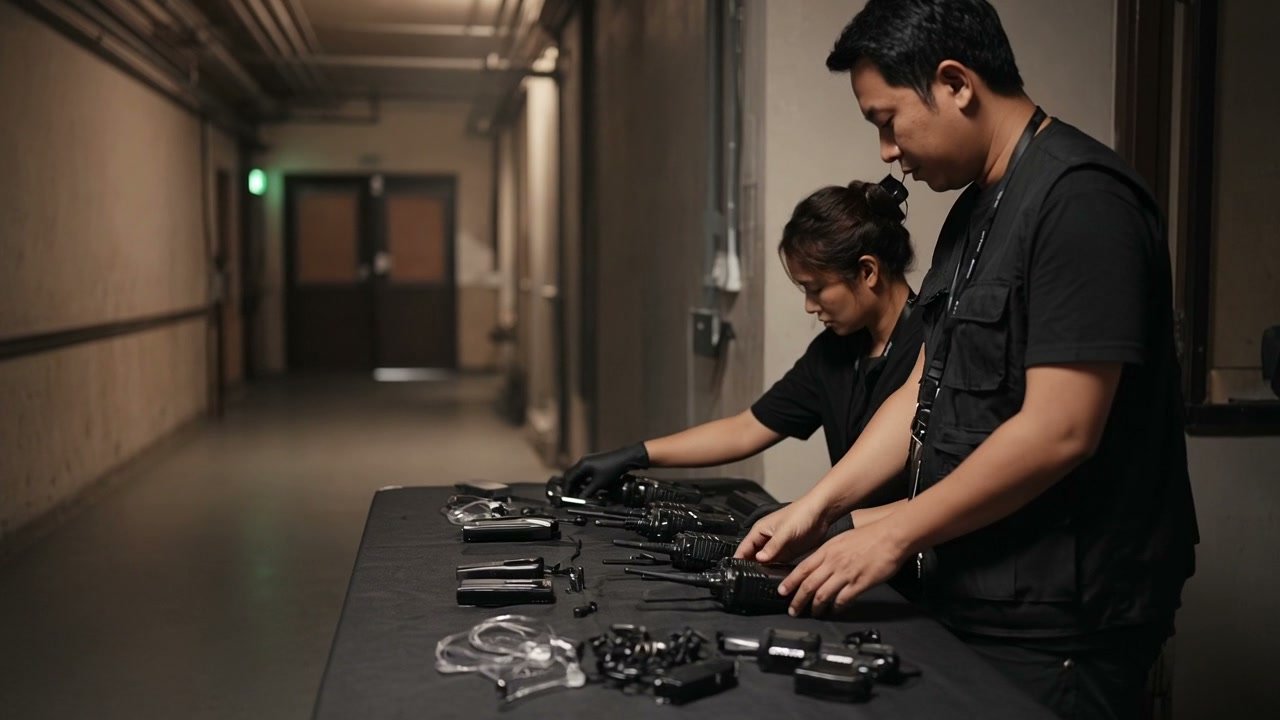
Operating scene reference for open the prior list.
Keep the last radio and accessory list, but mark it as a reference. Ask which roles, venues and handover conditions are genuinely the same for the next event.
PLANNING MAP
01Prior list
02New venue
03New run sheet
04Changed roles
USE THIS NEXT
Open The Prior List
Keep the last radio and accessory list, but mark it as a reference. Ask which roles, venues and handover conditions are genuinely the same for the next event.
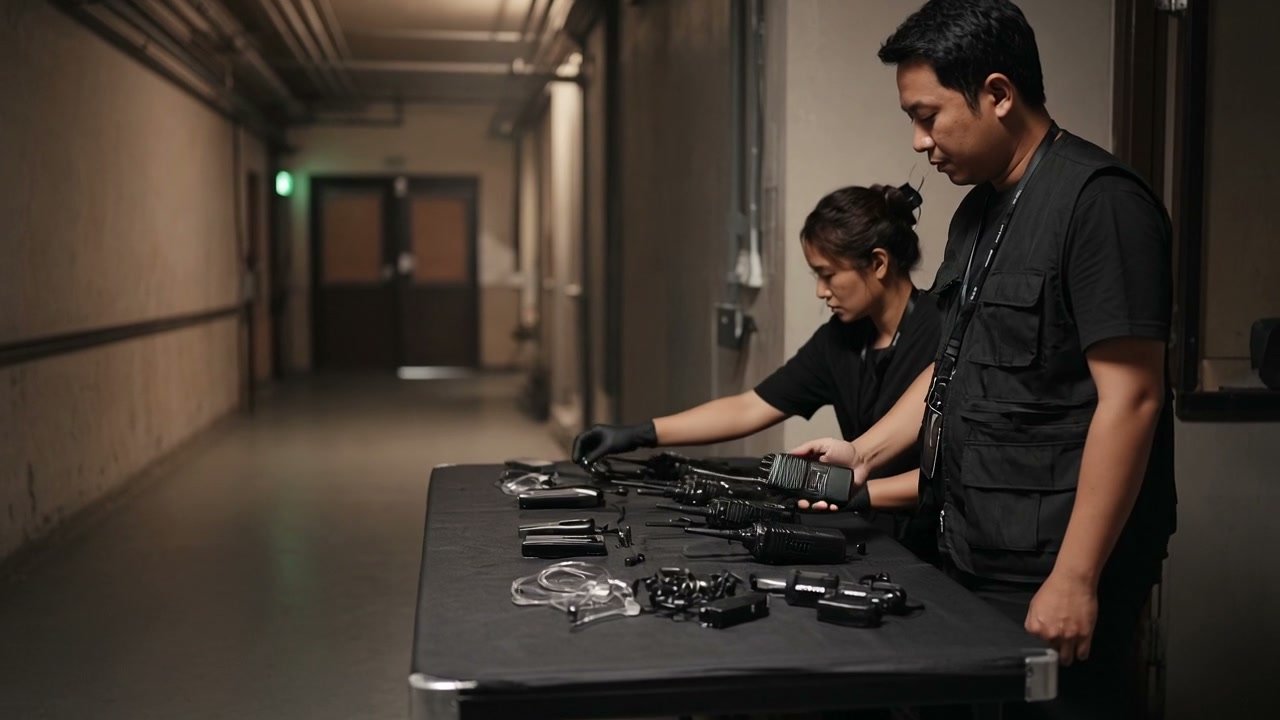
Operating scene reference for recount the live work.
A recurring event may have more, fewer or differently placed people needing radios at the same time. Build the count from this event's working groups rather than a remembered total.
PLANNING MAP
01Crew groups
02Peak period
03Shared radios
04Spare units
USE THIS NEXT
Recount The Live Work
A recurring event may have more, fewer or differently placed people needing radios at the same time. Build the count from this event's working groups rather than a remembered total.
Earpieces, charging locations, clips and return kits can change with the working environment. Put each requirement on the current list so collection and return are checkable.
PLANNING MAP
01Earpieces
02Chargers
03Venue restrictions
04Return kit
USE THIS NEXT
Recheck The Kit
Earpieces, charging locations, clips and return kits can change with the working environment. Put each requirement on the current list so collection and return are checkable.
Name the person receiving the kit, the person managing changes during the event and the person returning it. A repeat booking still needs a current chain of custody.
PLANNING MAP
01Collection owner
02Live coordinator
03Issue contact
04Return owner
USE THIS NEXT
Confirm The Owners
Name the person receiving the kit, the person managing changes during the event and the person returning it. A repeat booking still needs a current chain of custody.
Only after the team has checked that the venue, simultaneous users, call groups, accessories and handover conditions are unchanged. Treat reuse as a verified decision, not a default.
02
Why can a smaller list be correct for a repeat event?
+
The live work may have fewer simultaneous users, fewer zones or different call groups. The correct quantity follows the current operating pattern.
03
What should be compared from the previous booking?
+
Roles, peak users, work zones, accessories, charging, collection timing and return ownership. These are the items most likely to change the kit.
About this guide
Use these guides to organise the operational details, equipment questions and next checks that lead to a clearer radio communication brief. They are general planning resources and do not report a particular team's work, location or outcome. Use it to prepare a clearer internal brief and then confirm decisions against the actual environment, equipment and operating need.
How to reuse a previous event radio rental list safely: recheck users, venue zones, call groups, accessories, charging and return ownership for each event.

 01 / THE OPERATING QUESTION