


SECTION 01 / SIGNAL ROOMSIX GUIDES.
SIX GUIDES.
ONE EQUIPMENT ROOM.
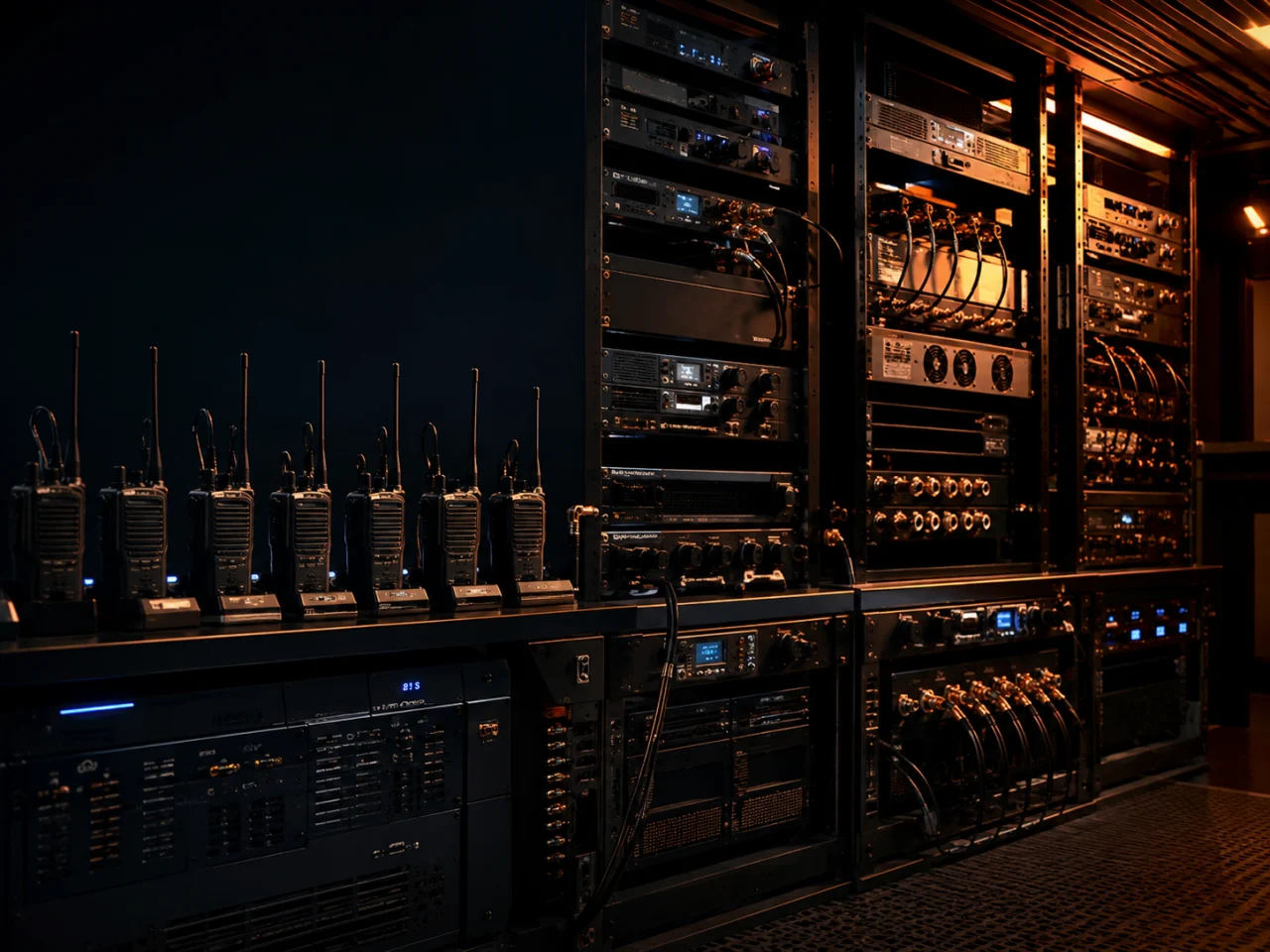
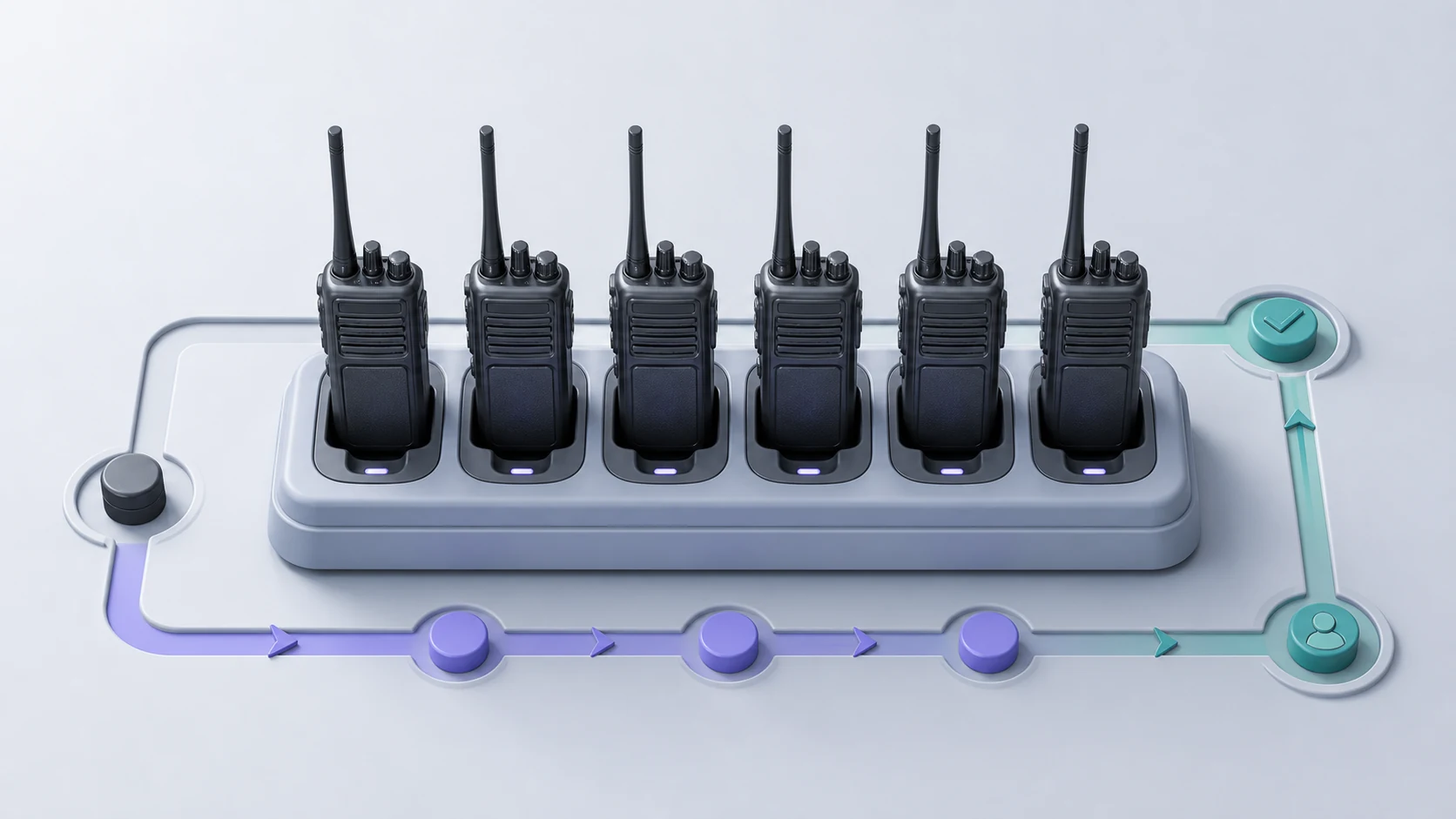
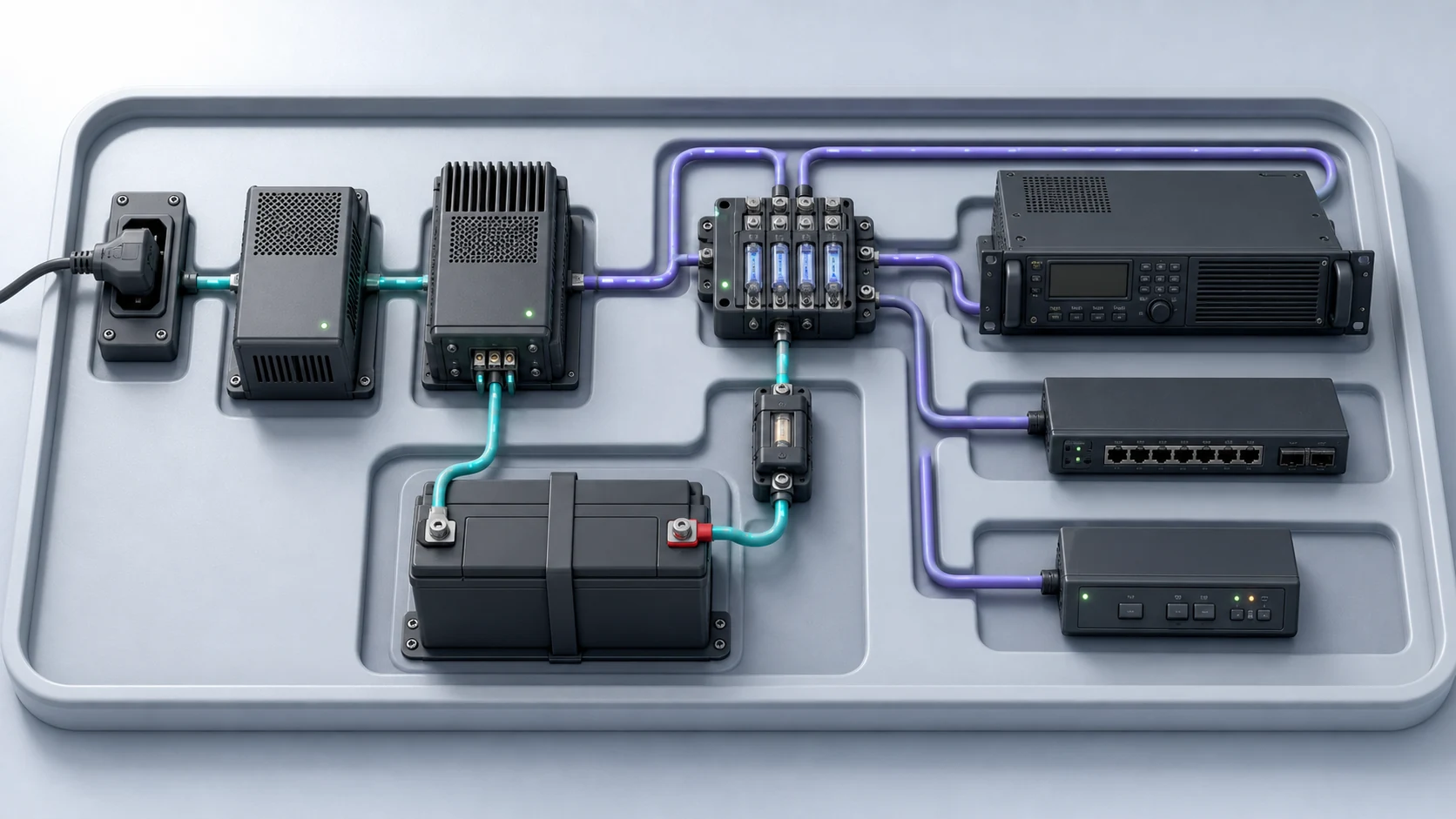
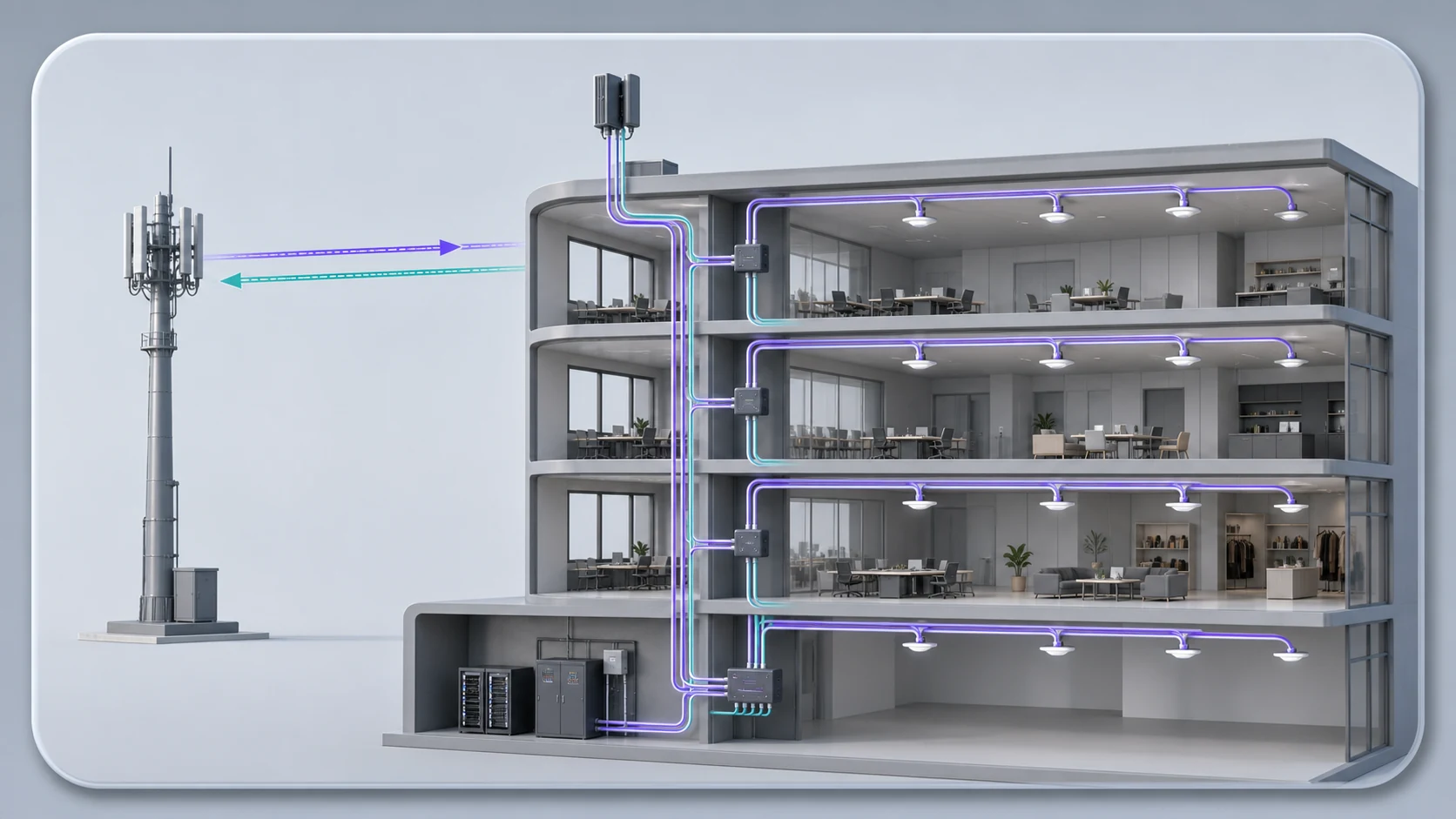
Explore the repeater, six-way charger, DC backup, BDA / DAS head-end, RF distribution and alarm monitoring system.
EXPLORE THE GUIDES →See how a two-way radio repeater receives, filters and retransmits site traffic—and what Malaysian teams should verify before deployment.
FIELD DECISIONTreat the repeater as one link in a measured RF system, not as a box that automatically fixes every dead zone.
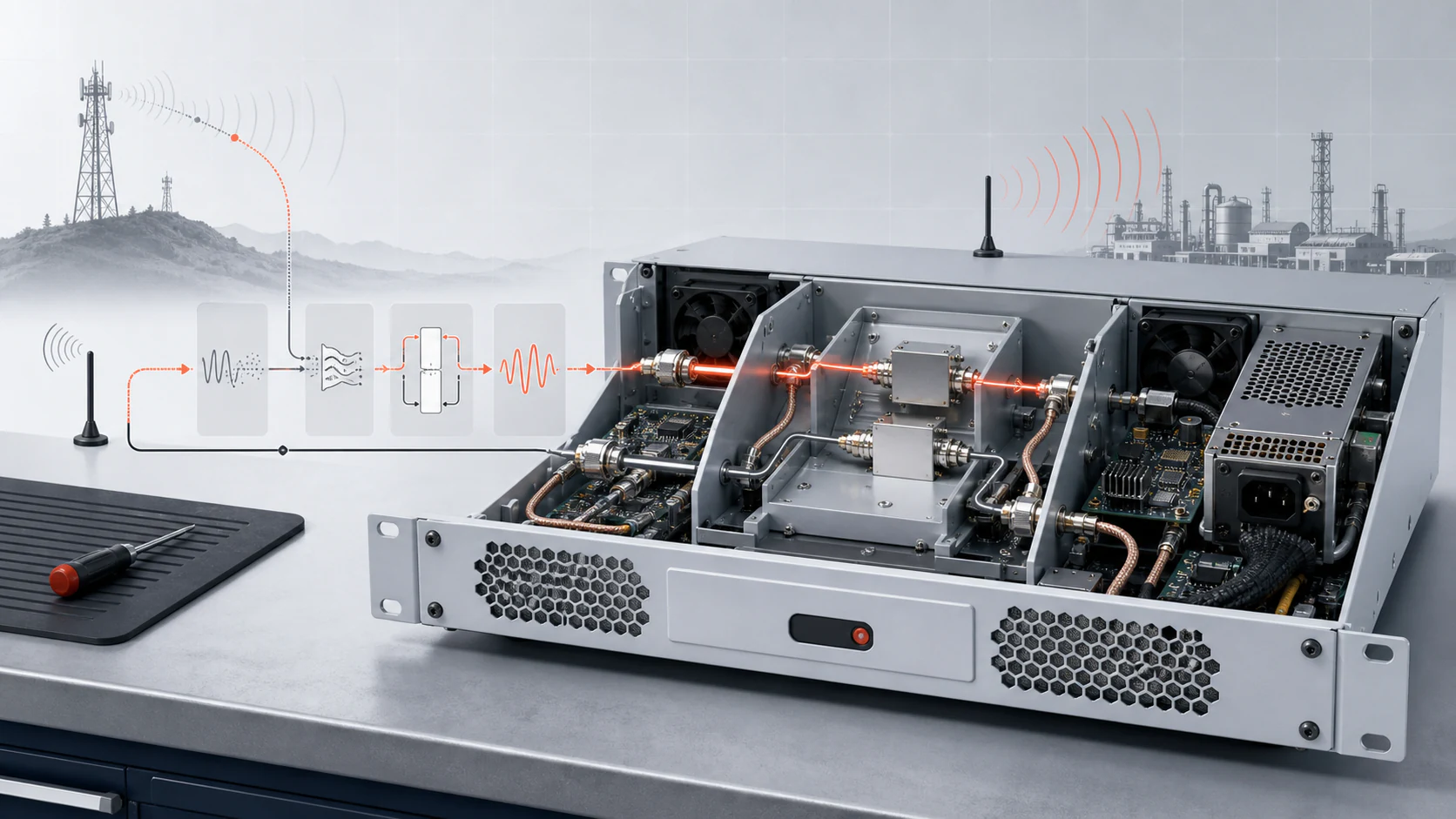
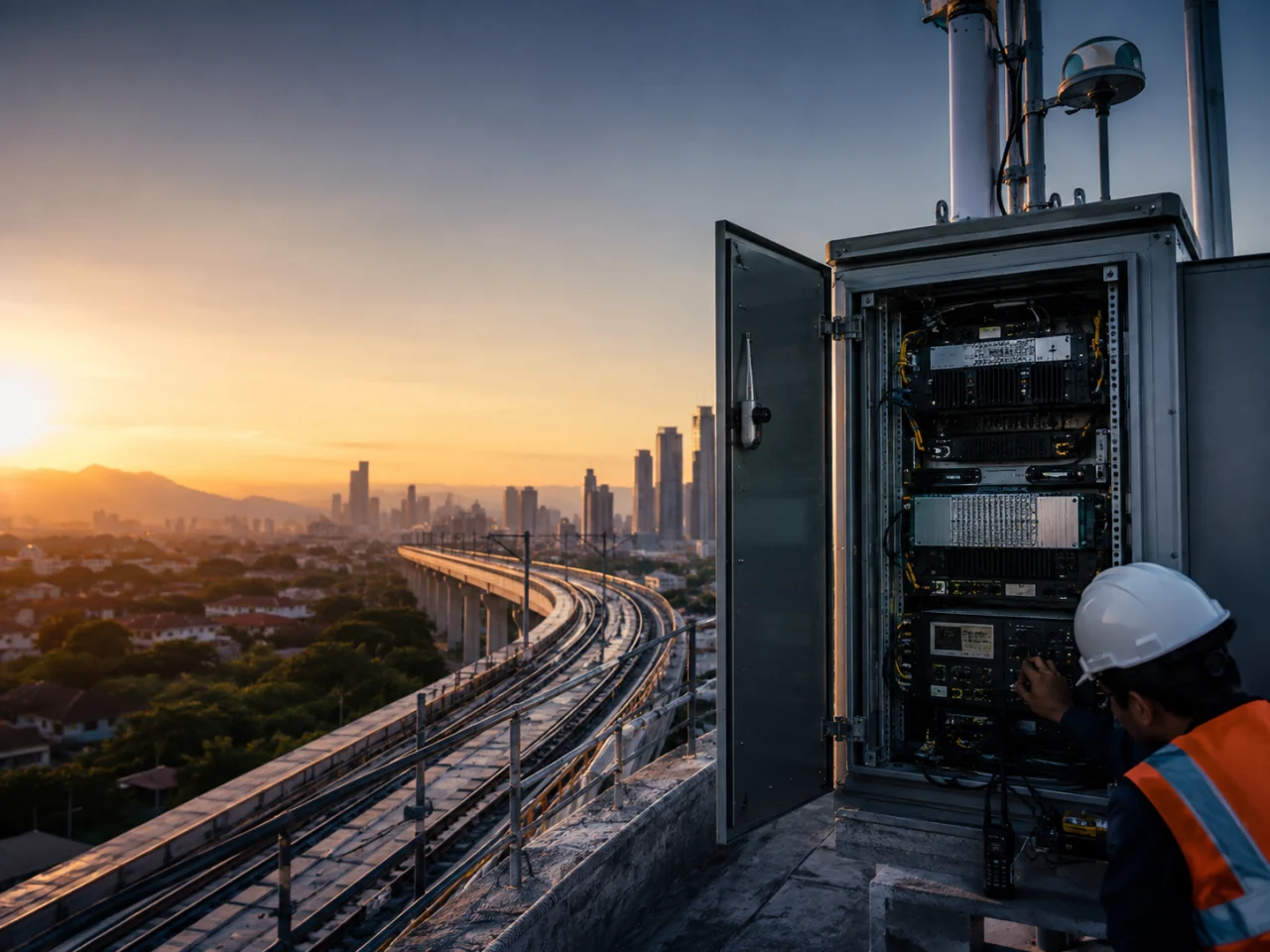
A two-way radio repeater receives a transmission on one frequency and retransmits it on another, usually from a higher and better-positioned antenna. That engineered path can carry calls beyond direct radio-to-radio range. The result still depends on frequency planning, antenna placement, RF isolation, feeder loss, power and commissioning tests.
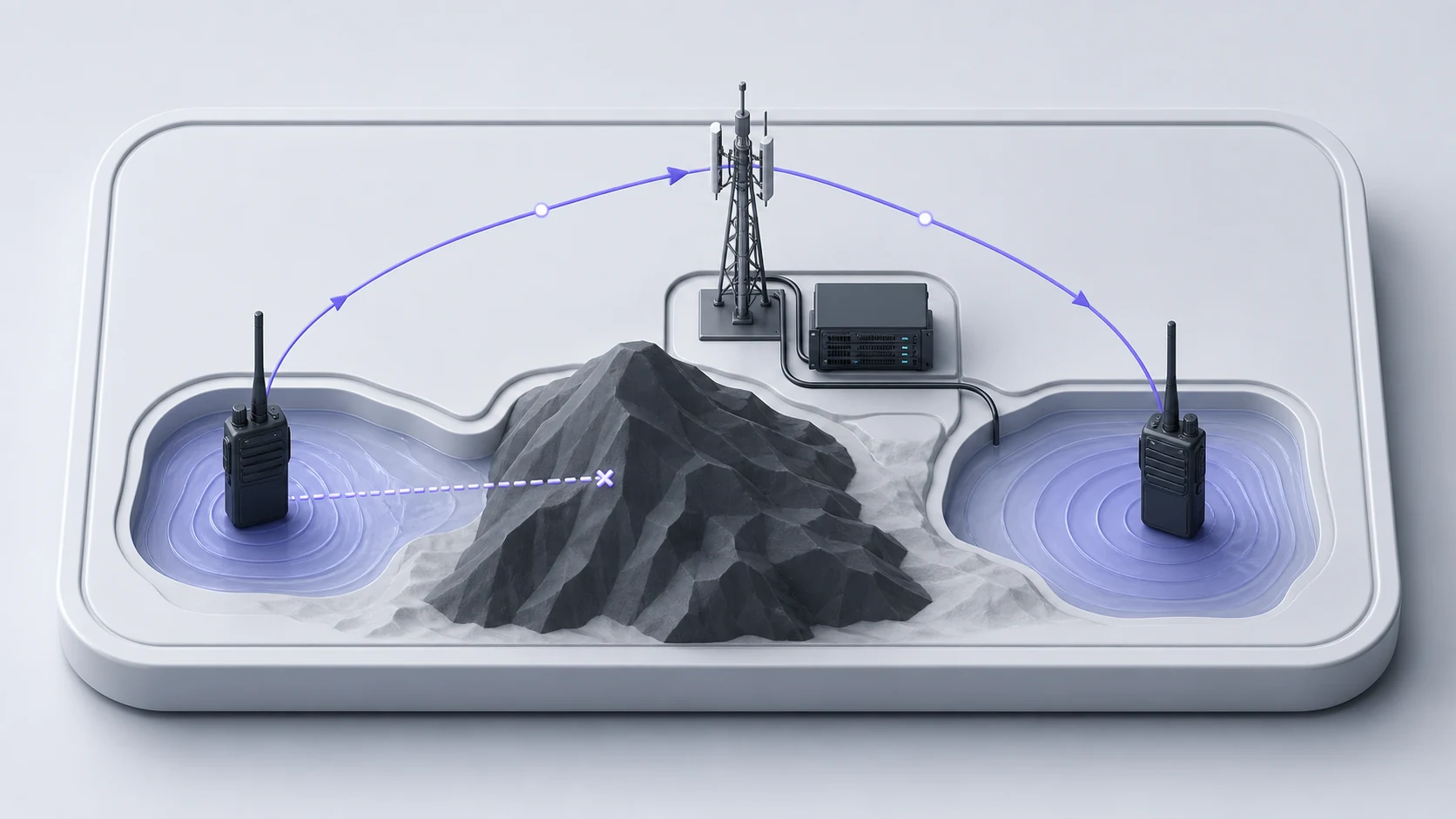
The elevated receive-and-retransmit point bridges terrain that blocks the direct radio-to-radio path.
A handheld reaches the site receive antenna on the assigned input channel.
Filtering rejects unwanted energy before it reaches the receiver.
The repeater validates and routes the analogue or digital call.
A duplexer keeps high-power transmit energy away from the sensitive receiver.
The output path sends the call through the feeder and site antenna.
Map the required work zones and the places where users actually carry radios.
Confirm the licensed channel plan, assignment conditions and equipment parameters before programming.
Measure antenna-system return loss, feeder loss, duplexer isolation and receive sensitivity.
Prove usable speech and call handling in the real operating environment, not only beside the rack.
Increasing transmit power does not remove concrete, terrain or a badly placed antenna from the RF path.
Poor isolation can let the transmitter desensitise its own receiver, shrinking coverage when the channel becomes busy.
A repeater that disappears during a mains failure is not a dependable coverage path.
It can extend practical coverage by receiving and retransmitting calls from a better RF position. The final range depends on terrain, building loss, antenna height, feeder loss, interference and radio configuration.
Yes, when a correctly tuned duplexer provides enough isolation between the repeater receive and transmit paths. Separate antennas are another design option.
Verify the assigned channels, output power, receive performance, RF isolation, antenna system, alarms, backup power and voice quality across the agreed work zones.
Malaysian spectrum assignment framework.
DMR system and repeater operating modes.
Example of current professional repeater infrastructure.
Product references illustrate operating principles and available equipment features. Final design, compatibility and regulatory decisions must follow the selected equipment, site survey and applicable Malaysian assignment conditions.
Obor Kuasa can survey the site, engineer the system and document the commissioning results around the way your team actually works.
REQUEST A SITE AUDIT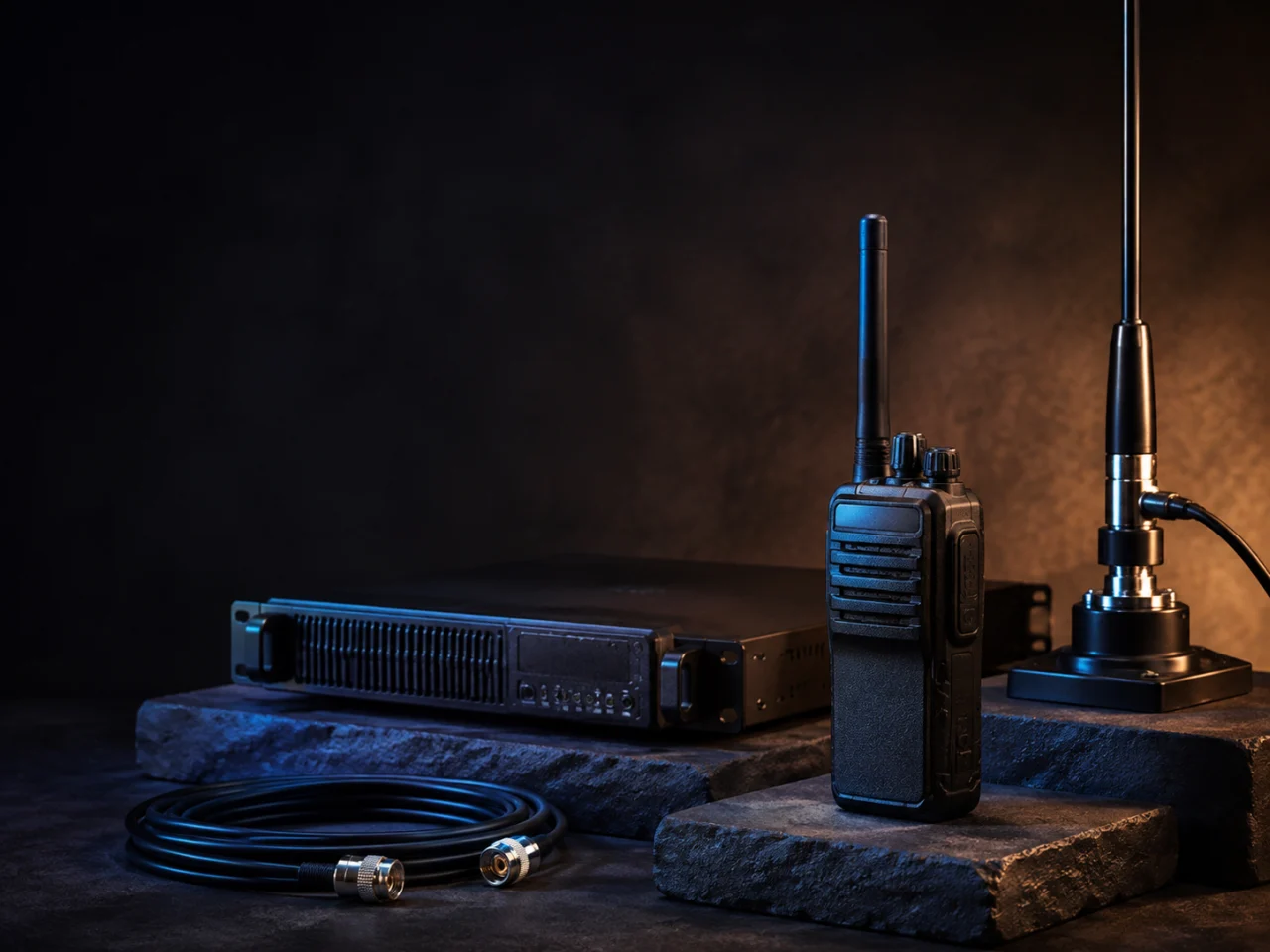





 SR / 02
 SR / 03
 SR / 04
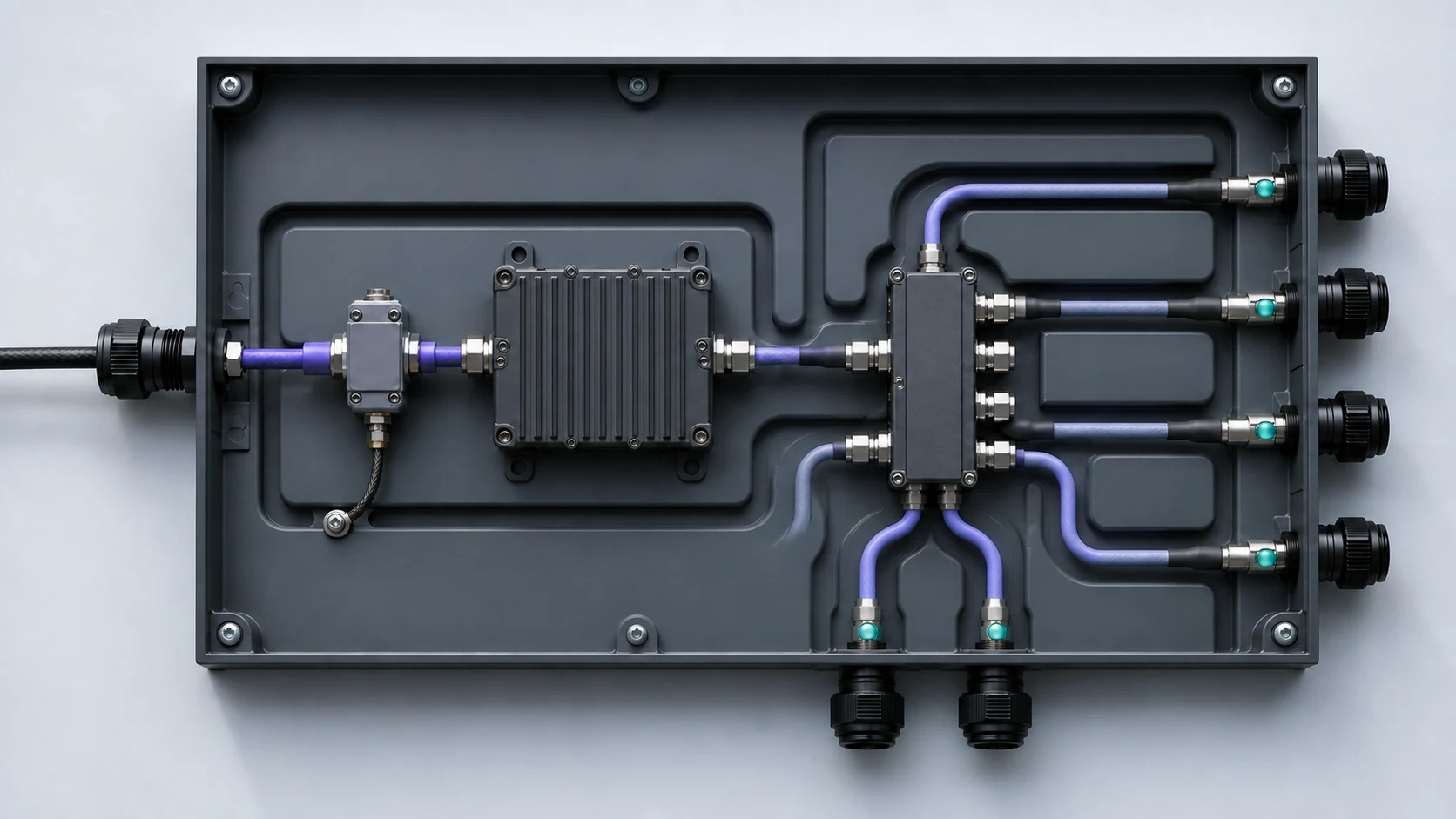 SR / 05
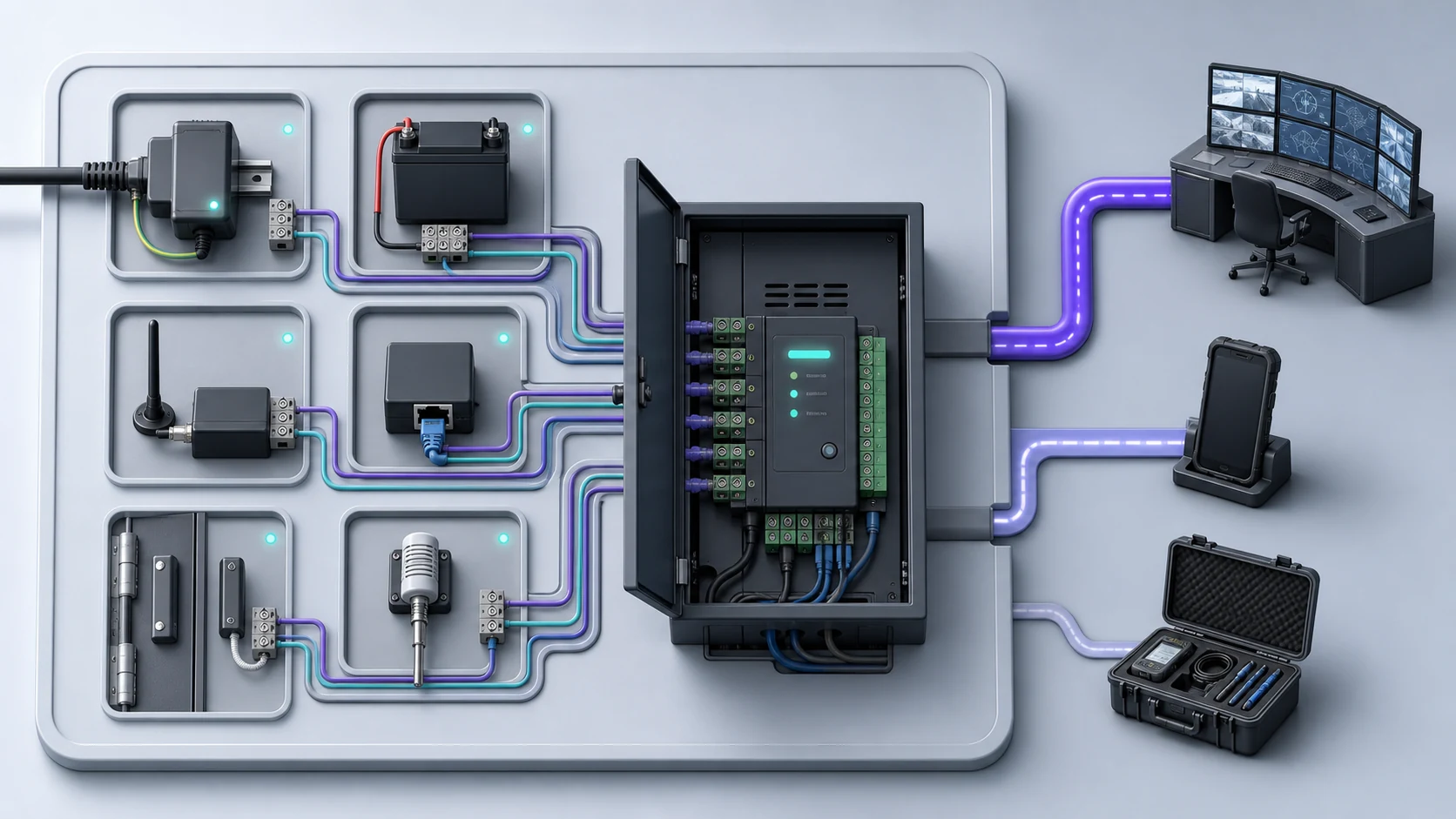 SR / 06