



SECTION 01 / SIGNAL ROOMSIX GUIDES.
SIX GUIDES.
ONE EQUIPMENT ROOM.
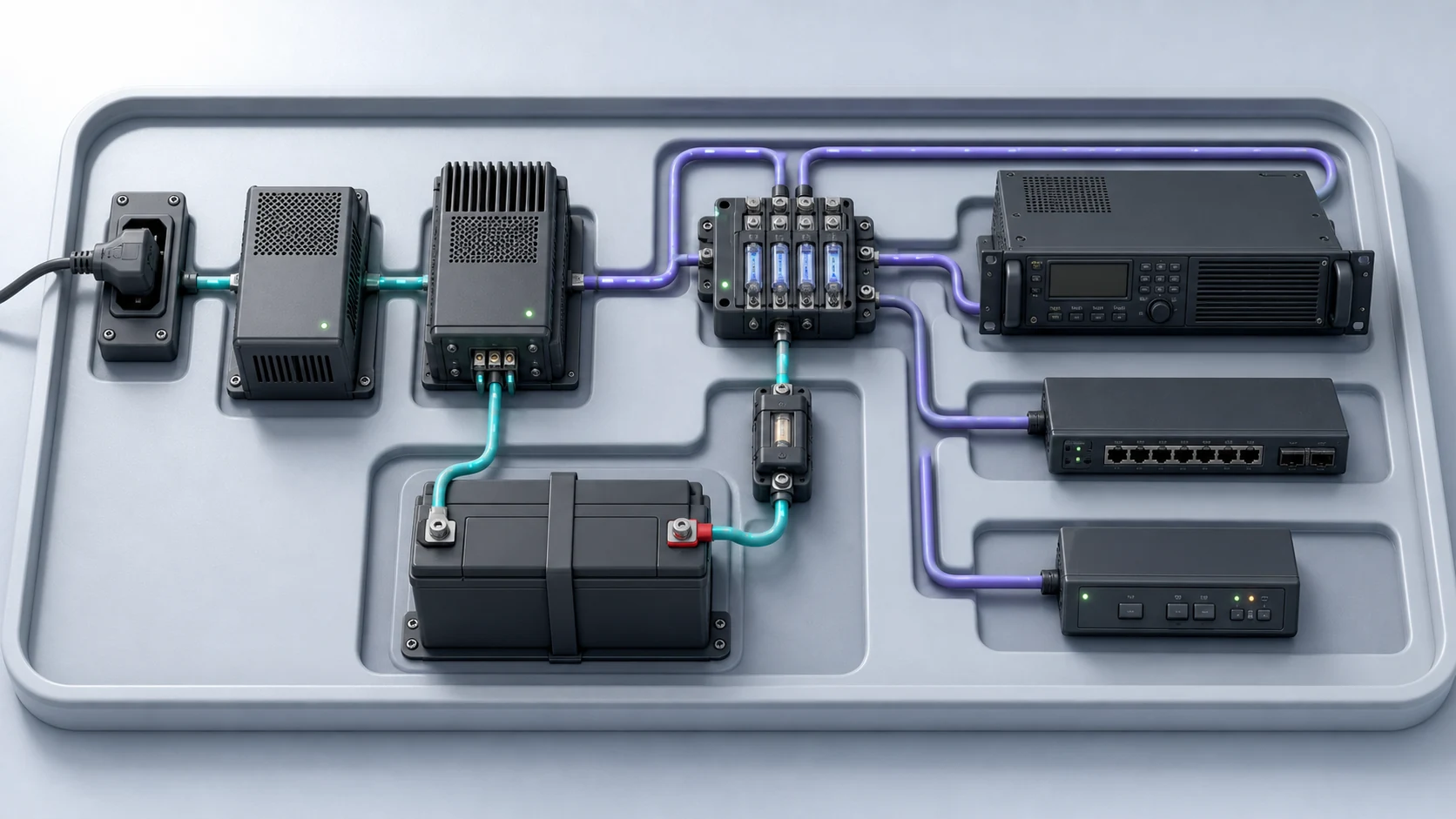
Explore the repeater, six-way charger, DC backup, BDA / DAS head-end, RF distribution and alarm monitoring system.
EXPLORE THE GUIDES →Learn what a six-way radio charger changes in shift operations, battery care and fleet readiness—and what to check before buying one.
FIELD DECISIONChoose the charging workflow around the fleet and shift pattern. Pocket count alone does not prove battery health or radio readiness.
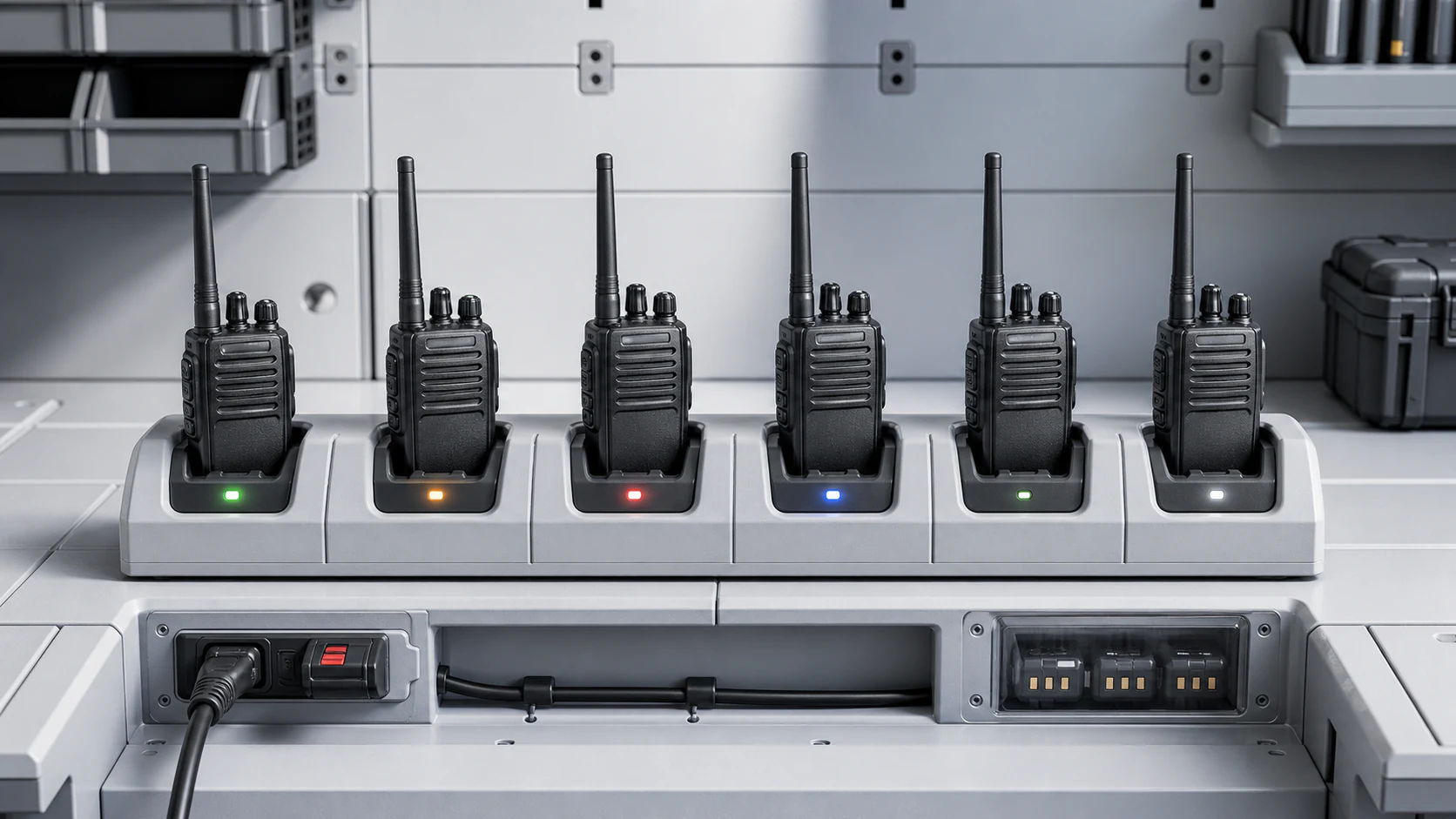
A six-way radio charger powers six compatible charging pockets from one managed station. Depending on the model, each pocket may accept a radio or a battery and may report battery condition. Its real value is operational: one visible return point, fewer loose adaptors and a clearer ready/not-ready check before the next shift.
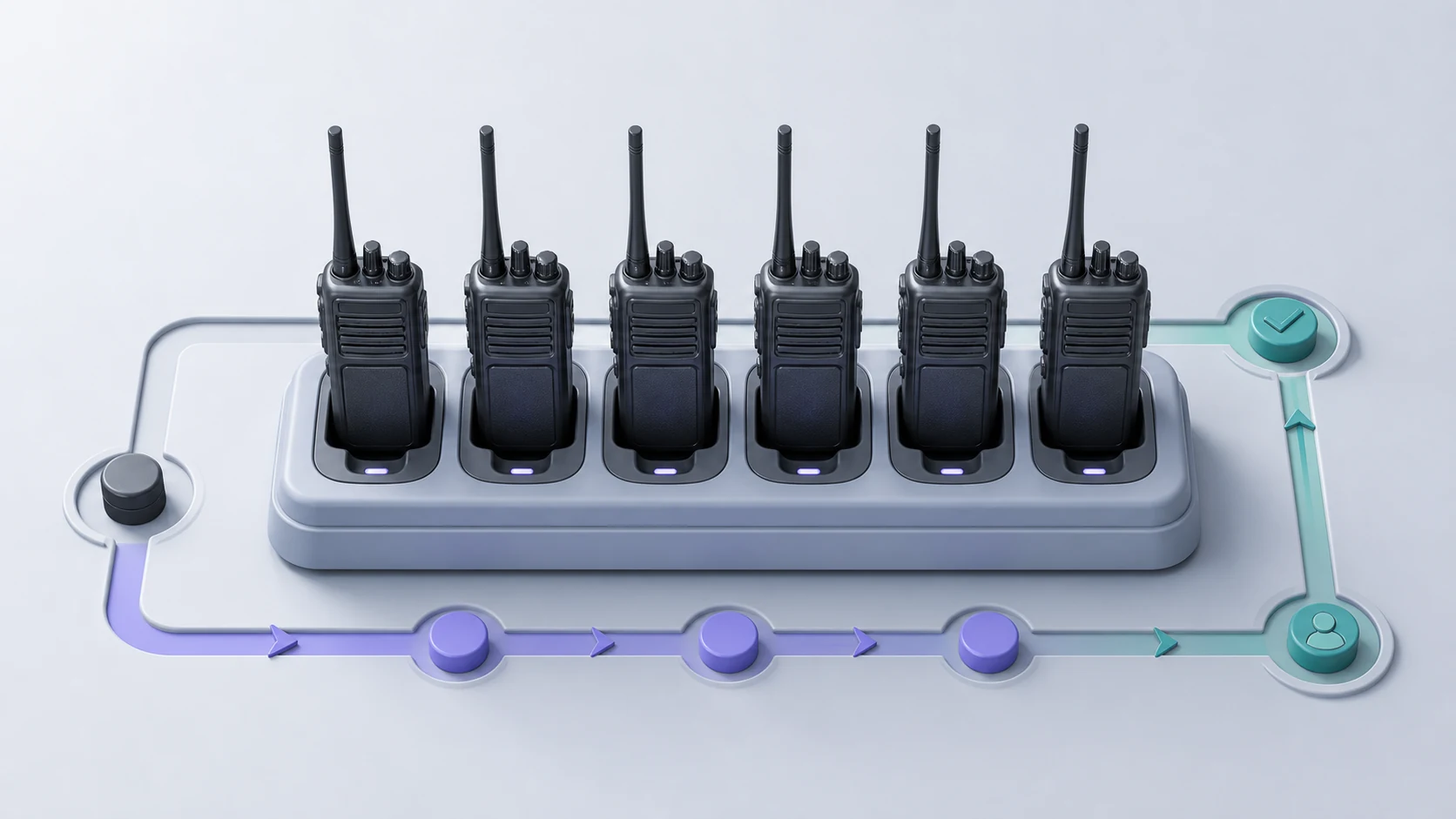
A central return point makes six radios visible, chargeable and ready for a functional check before reassignment.
Each radio comes back to a named charging position after the shift.
The operator checks damage, contacts, antenna seating and battery condition.
Each compatible pocket manages its own battery state.
Indicator behaviour is checked against the charger manual, not guessed by colour.
Only tested radios return to the ready line for the next crew.
Match the charger, insert and power supply to the exact radio and battery models.
Confirm whether the pocket charges the radio, a battery alone, or both.
Leave ventilation space and use the charger in the environmental conditions stated by its manufacturer.
Define who removes damaged batteries, records faults and clears a radio for the next shift.
A charge indicator cannot confirm microphone, antenna, channel or audio condition.
A physical fit does not guarantee the correct charging profile, temperature sensing or battery data.
A premium charger cannot help if radios are left in vehicles, lockers or unassigned pockets.
Some models can charge a radio or a battery in each pocket; others need a specific insert. Check the approved compatibility list for the exact charger and battery.
Some intelligent charging systems provide battery diagnostics or reconditioning information. A basic multi-unit charger may only manage charging and status lights.
Start with the number of radios returned between shifts, spare-battery policy, charging time and turnaround window. Add capacity for maintenance and peak operations rather than matching fleet size blindly.
Charging and battery-management capabilities.
Official six-unit charger example.
Six-pocket charger and display example.
Product references illustrate operating principles and available equipment features. Final design, compatibility and regulatory decisions must follow the selected equipment, site survey and applicable Malaysian assignment conditions.
Obor Kuasa can survey the site, engineer the system and document the commissioning results around the way your team actually works.
REQUEST A SITE AUDIT






 SR / 01
 SR / 03
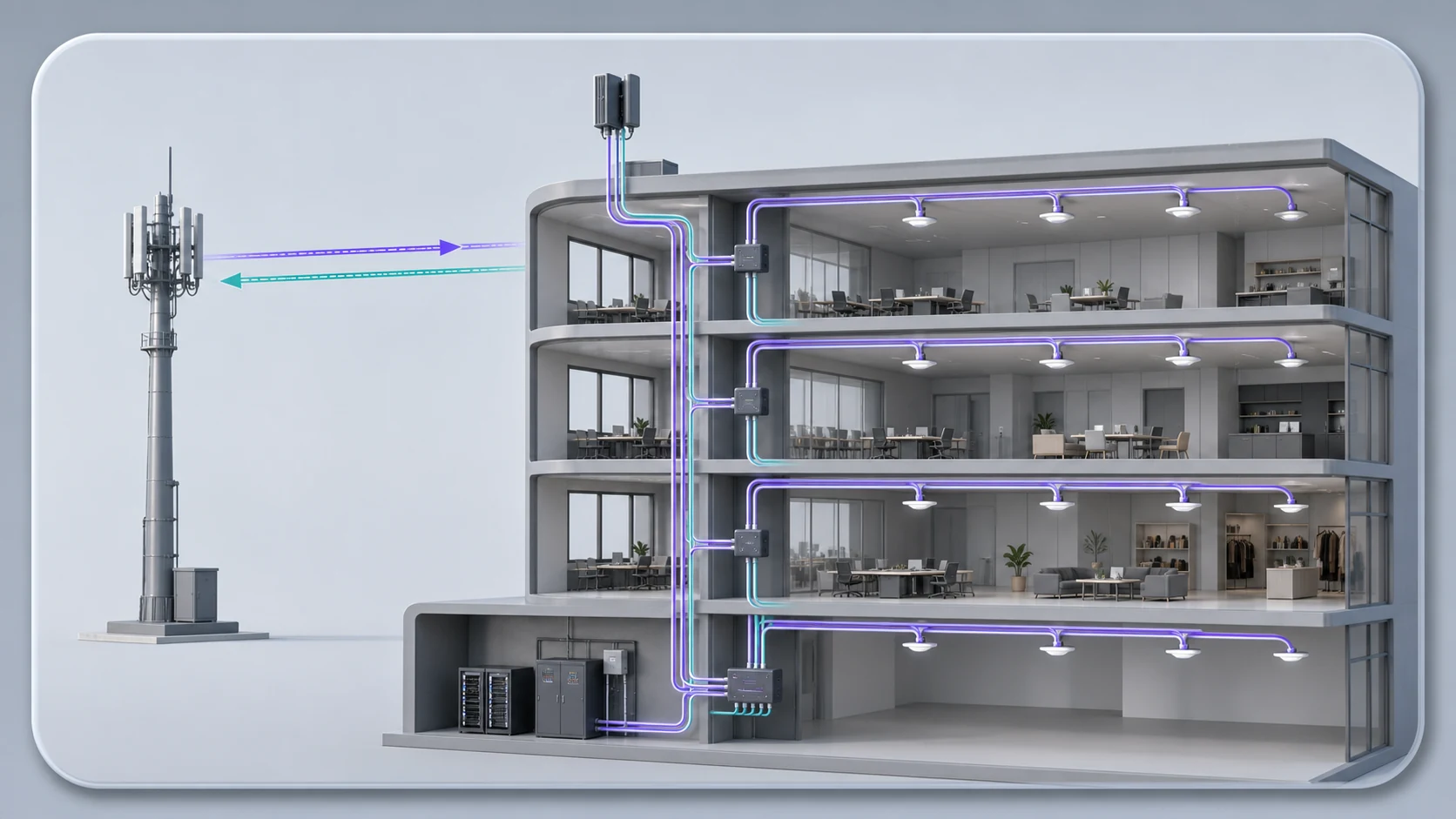 SR / 04
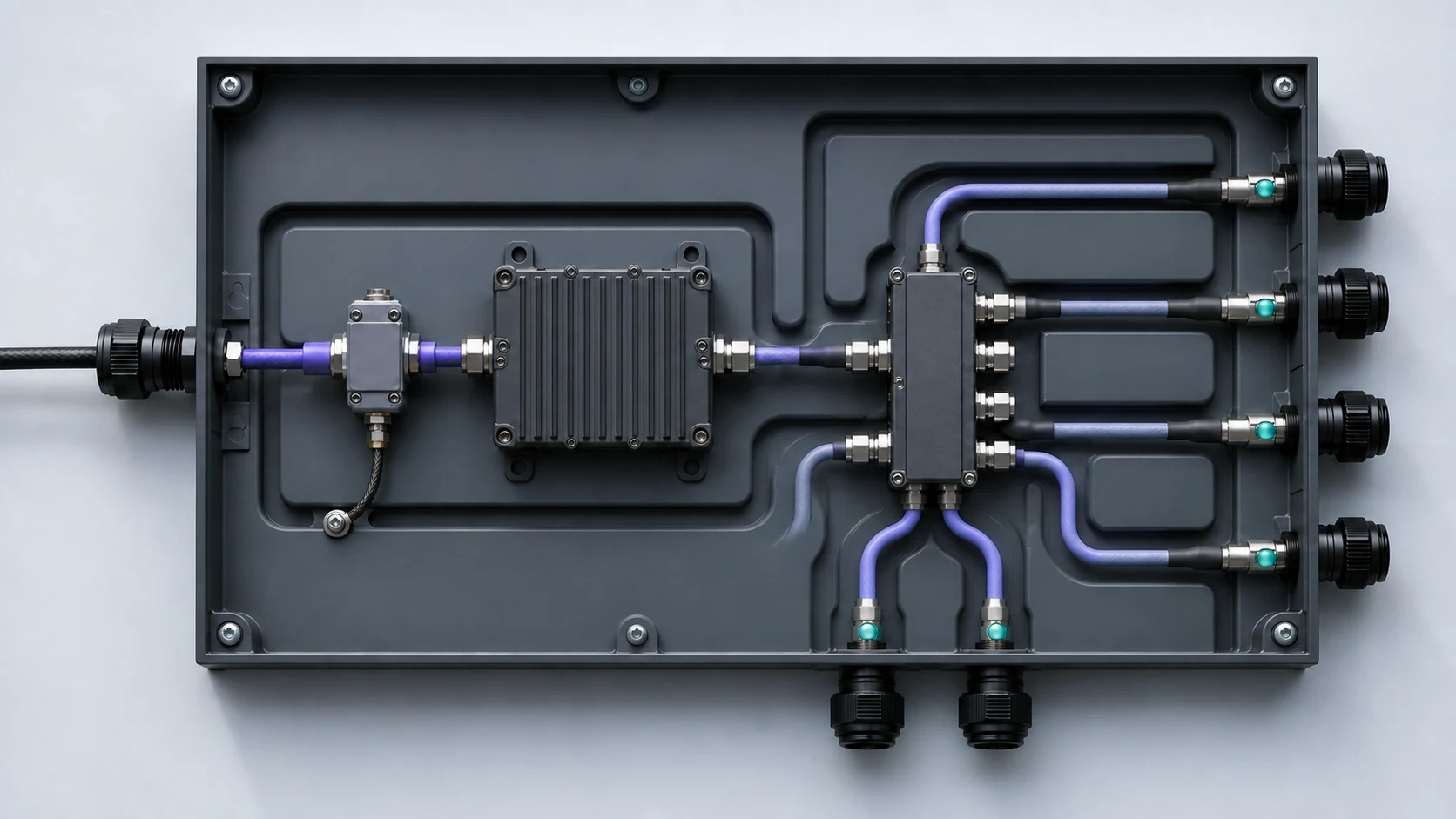 SR / 05
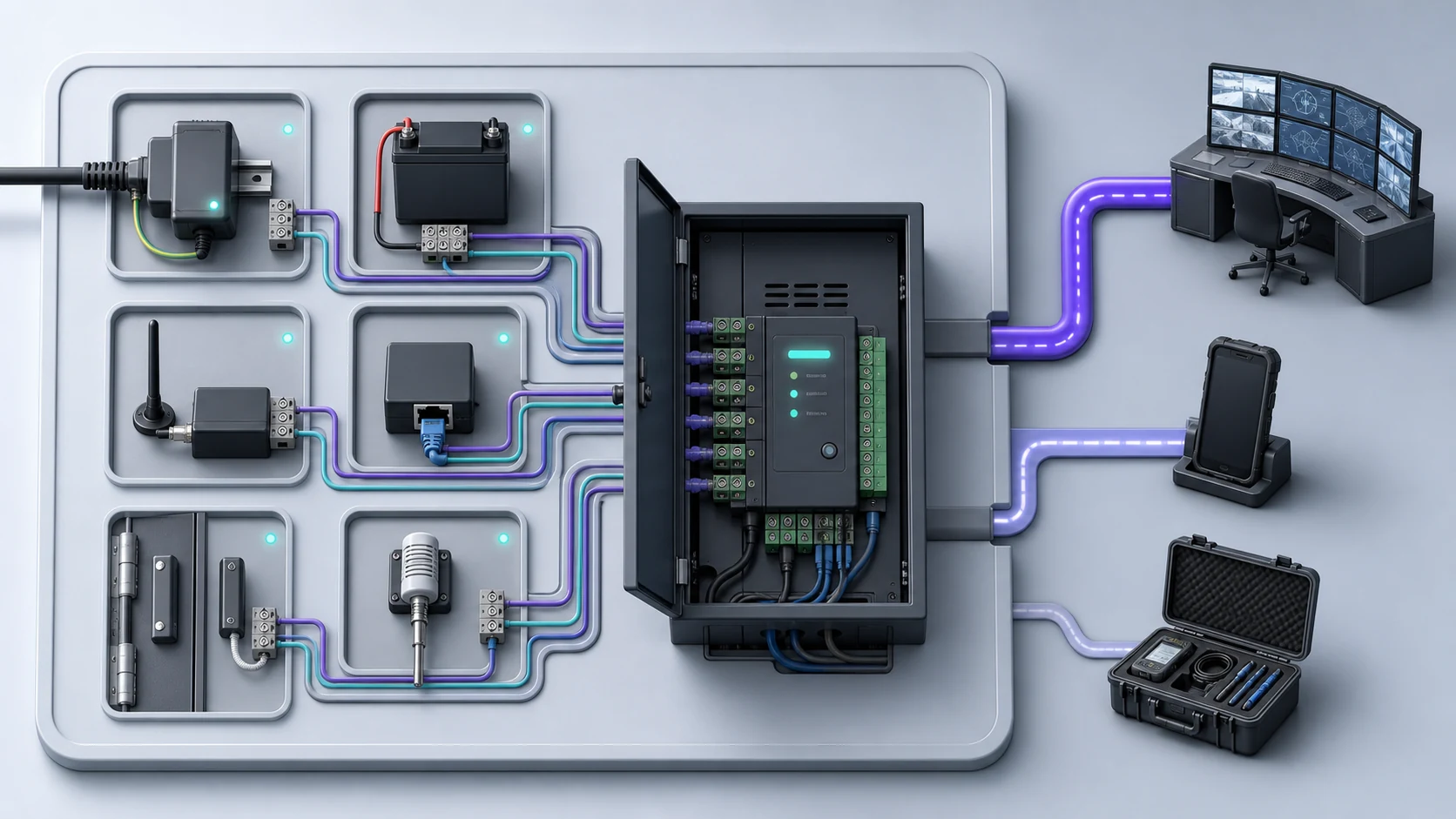 SR / 06