

SECTION 01 / SIGNAL ROOMSIX GUIDES.
SIX GUIDES.
ONE EQUIPMENT ROOM.
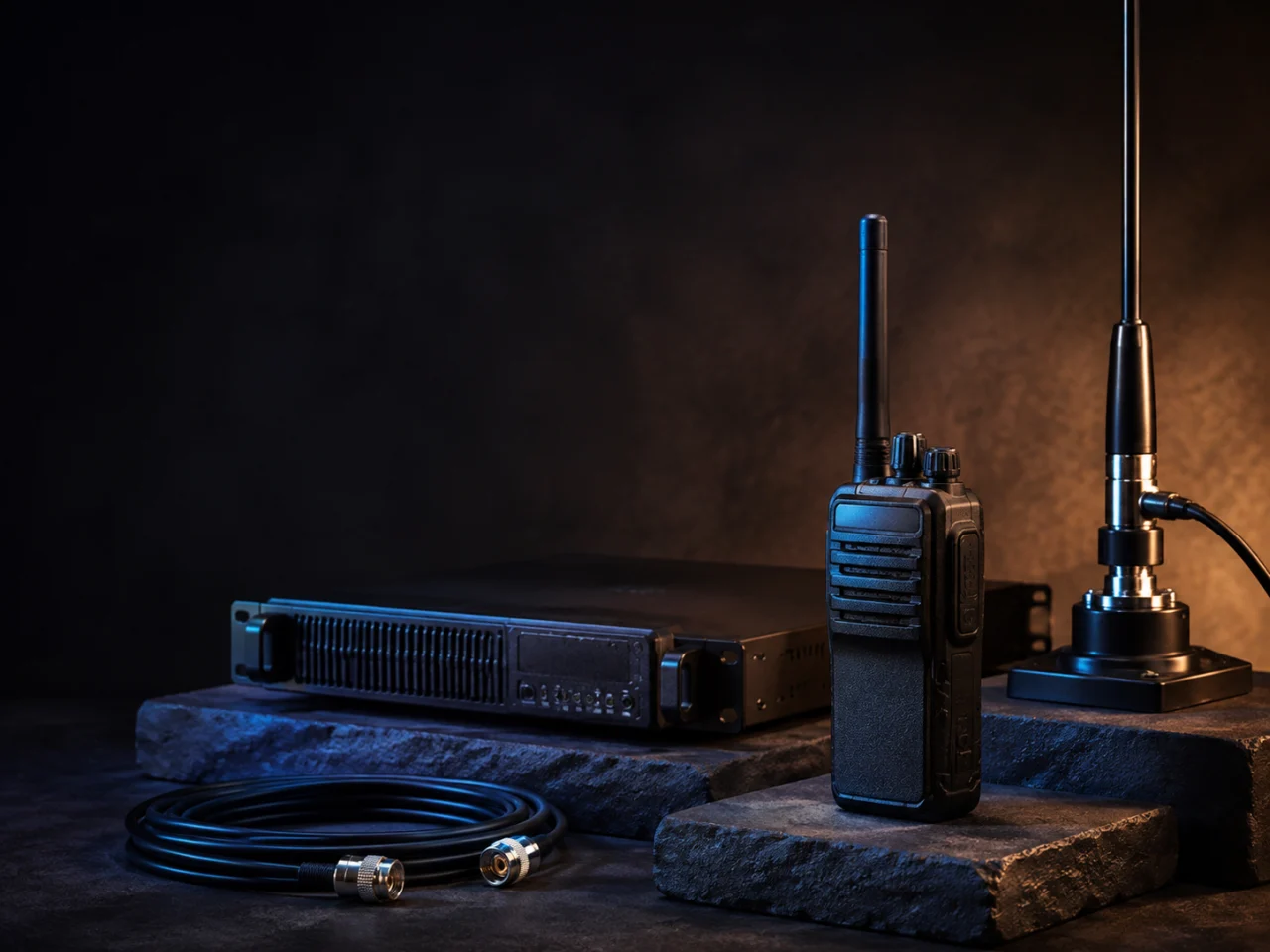
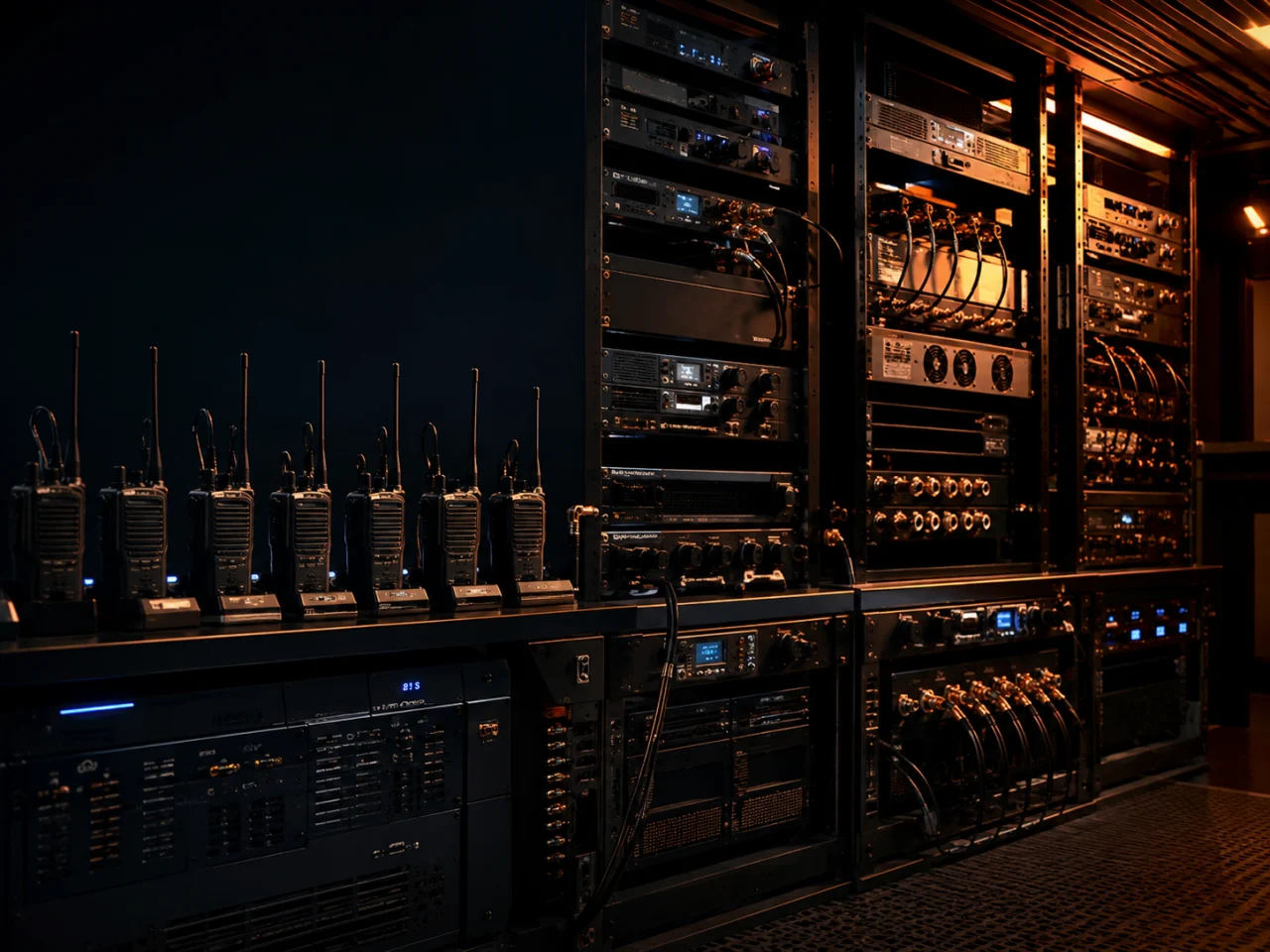
Explore the repeater, six-way charger, DC backup, BDA / DAS head-end, RF distribution and alarm monitoring system.
EXPLORE THE GUIDES →FIELD GUIDE 03 Plantation
A planning guide for field teams spread across estate roads and collection routes.
Read the planning guide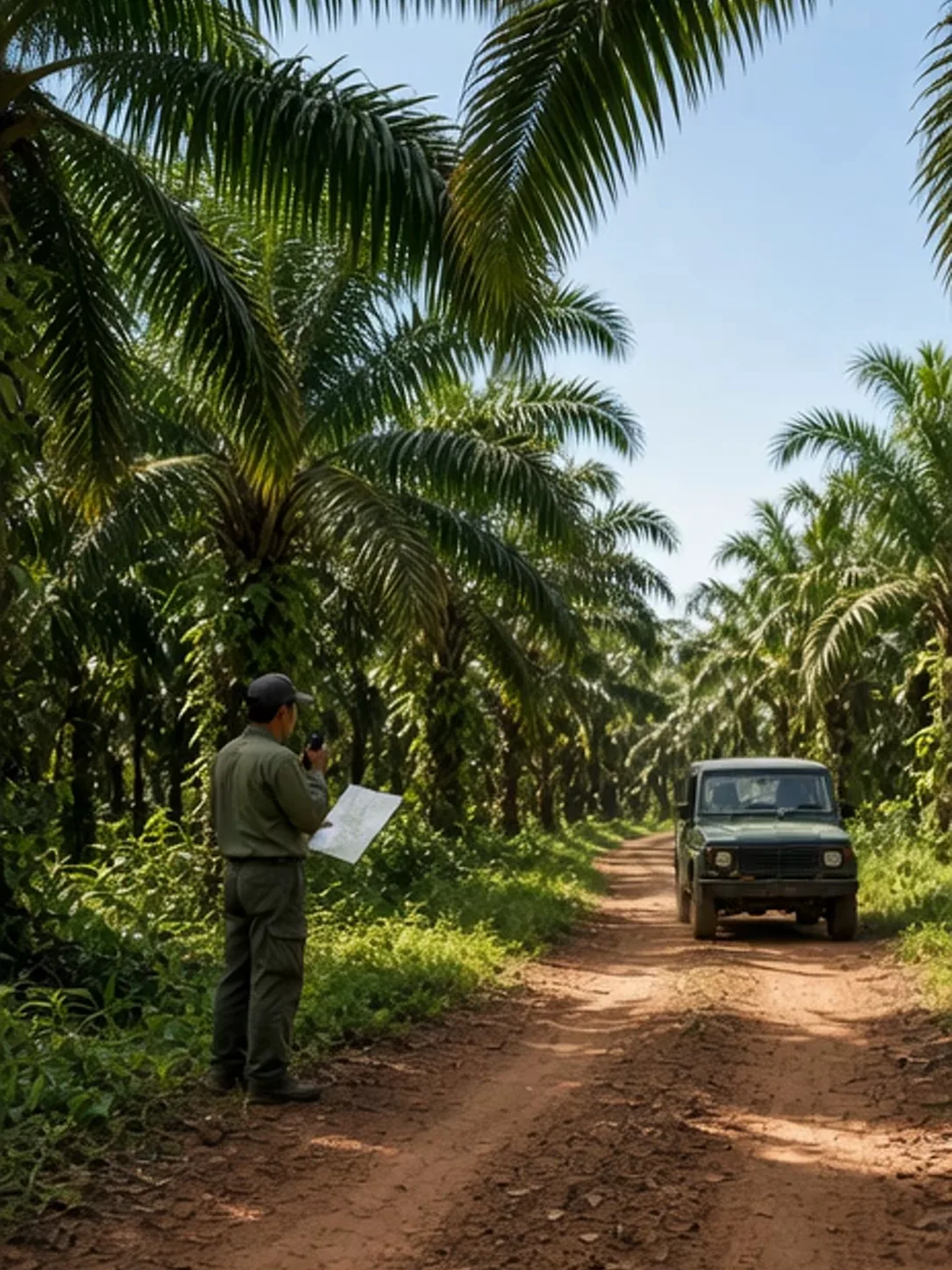
Plantation field radio communication should be planned around the routes crews actually travel, the checkpoints where they coordinate and the conditions that change along those routes. Capture terrain, vegetation, vehicle use and escalation calls; then validate the relevant journeys with the intended equipment instead of assuming a circular coverage area.
01 / CONTEXT
A field team can move across collection roads, work blocks, service points and an estate office during one shift. A map is useful only when it shows the calls and decisions that occur on those journeys. The right briefing detail is the route, user role, vehicle or handheld context, priority-call point and a way to record what needs further review.
Collection roads, field blocks, checkpoints and return paths.
Elevation, vegetation, weather exposure and vehicle movement that change the route.
Who receives an urgent call and how the next action is recorded.
02 / PLANNING PATH
Use these steps to prepare a clearer internal brief. They help surface the operating details a site survey, equipment review or authorised technical consultation needs.
Ask supervisors and crews to mark the journeys that matter on a normal shift, not only the boundary of the estate. Include work blocks, collection points, workshop access and return routes.
For each route, note the calls that change the next action: a collection update, equipment issue, route closure or a request for support. This separates meaningful coordination from general radio traffic.
Look at the actual route conditions with the proposed handheld or vehicle use in mind. Terrain, vegetation and access can change from one checkpoint to the next, so the review should follow the work.
Agree representative checkpoints, call wording and a simple exception record. The purpose is to establish what was checked and what needs a design or operating follow-up.
03 / BRIEF CHECKLIST
The aim is a clear site brief that shows the operating route and decision points without claiming a coverage result before it is checked.
04 / QUESTIONS FOR THE WORK
No. A radius does not account for the route, terrain, vegetation, vehicle position or equipment in use. A route-based review is more useful for planning and validating the calls crews need.
Yes, but their conditions may differ. Record who uses which device, where it is carried or mounted and which routes or calls are important to each role.
Keep the date, route, checkpoints, users, intended calls, result, exception and follow-up owner. That record prevents a successful check in one location from being treated as evidence for every route.
05 / SOURCES AND NEXT READING
These sources provide regulatory or operating context. They do not certify this guide or substitute for the actual site's authorised requirements.