Questions to ask before adding a repeater to handheld radios: operating areas, routes, radio variants, call groups, power, antenna position, interference and evidence.
01 / THE GUIDE IN CONTEXTHANDHELD REPEATER PLANNING
For teams considering a repeater extension to an existing handheld system
Adding a repeater to handheld radios
A repeater can be part of a system extension, but it should follow a specific site and operational question. The need may involve routes, buildings, current radio variants, call groups or infrastructure that has not yet been checked.
OBOR KUASA / INDUSTRY USE-CASE GUIDE · Use these guides to organise the operational details, equipment questions and next checks that lead to a clearer radio communication brief. They are general planning resources and do not report a particular team's work, location or outcome.
01 / THE OPERATING QUESTION
Start with the work.
A repeater can be part of a system extension, but it should follow a specific site and operational question. The need may involve routes, buildings, current radio variants, call groups or infrastructure that has not yet been checked.
02 / THE PLANNING DECISION
Make the next step visible.
Define the user routes, current fleet and evidence required after a change before treating a repeater as the answer.
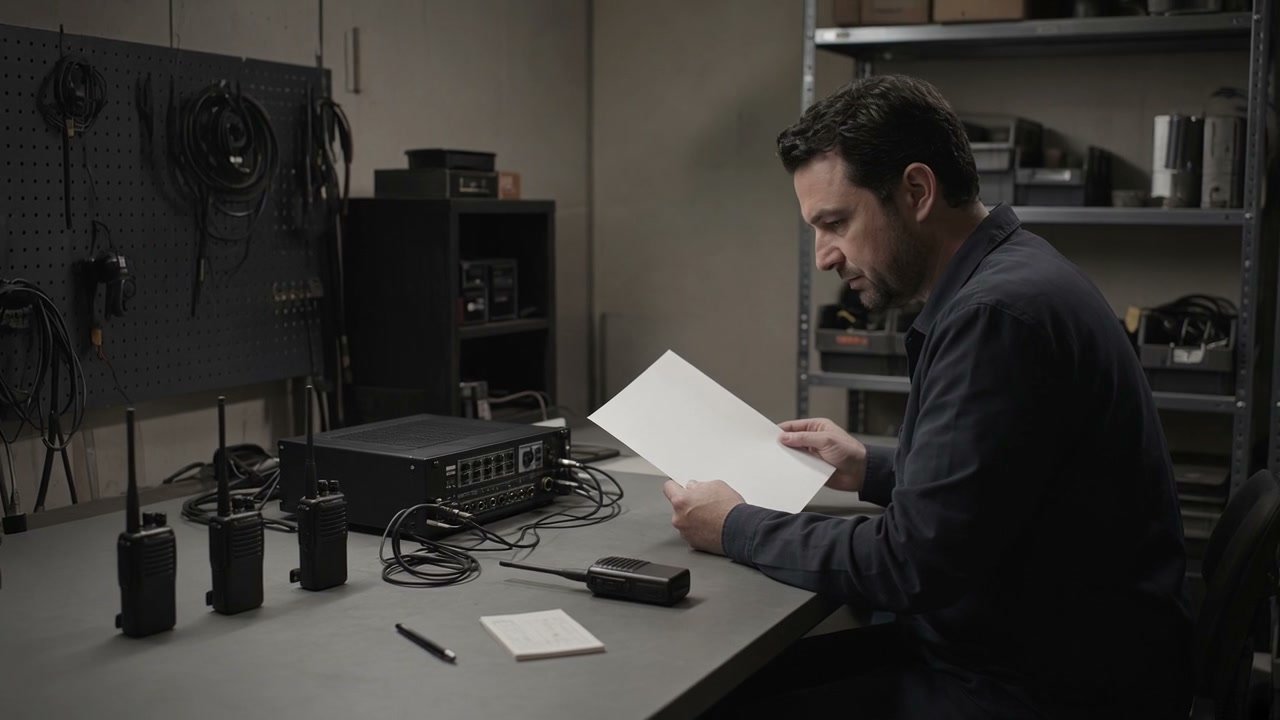
Operating scene reference.
02 / THE PLANNING PATH (04)
START WITH THE WORK. THEN BUILD THE BRIEF.
Define the user routes, current fleet and evidence required after a change before treating a repeater as the answer.
Use this as a planning guide for a comparable operating environment. Confirm equipment, coverage, programme and service decisions against the actual worksite and current equipment.
01 / 04USE-CASE GUIDE
Operating scene reference for the first planning step.
01 / WRITE THE QUESTIONUSE-CASE GUIDE
Describe the working route that needs attention.
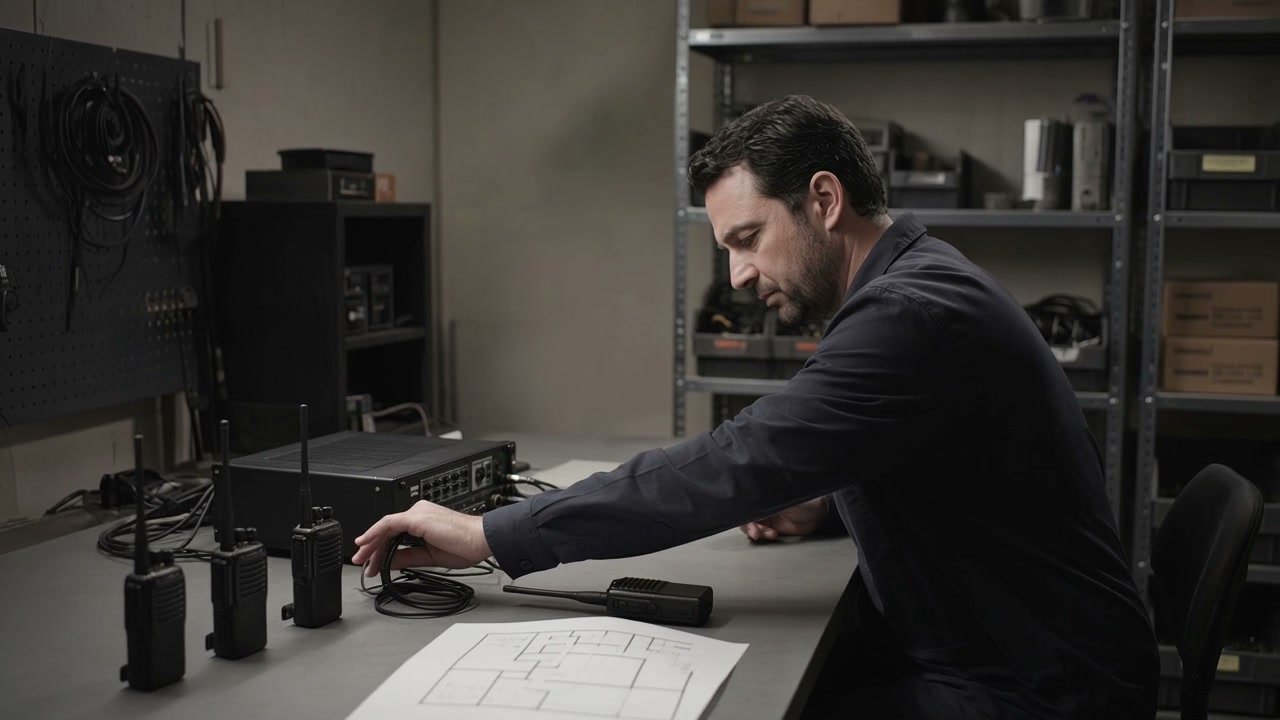
Operating scene reference for write the question.
Name the areas, user movement and calls that are difficult today. A clear problem statement is more useful than beginning with a preferred equipment list.
PLANNING MAP
01Operating areas
02User routes
03Critical calls
04Observed issue
USE THIS NEXT
Write The Question
Name the areas, user movement and calls that are difficult today. A clear problem statement is more useful than beginning with a preferred equipment list.
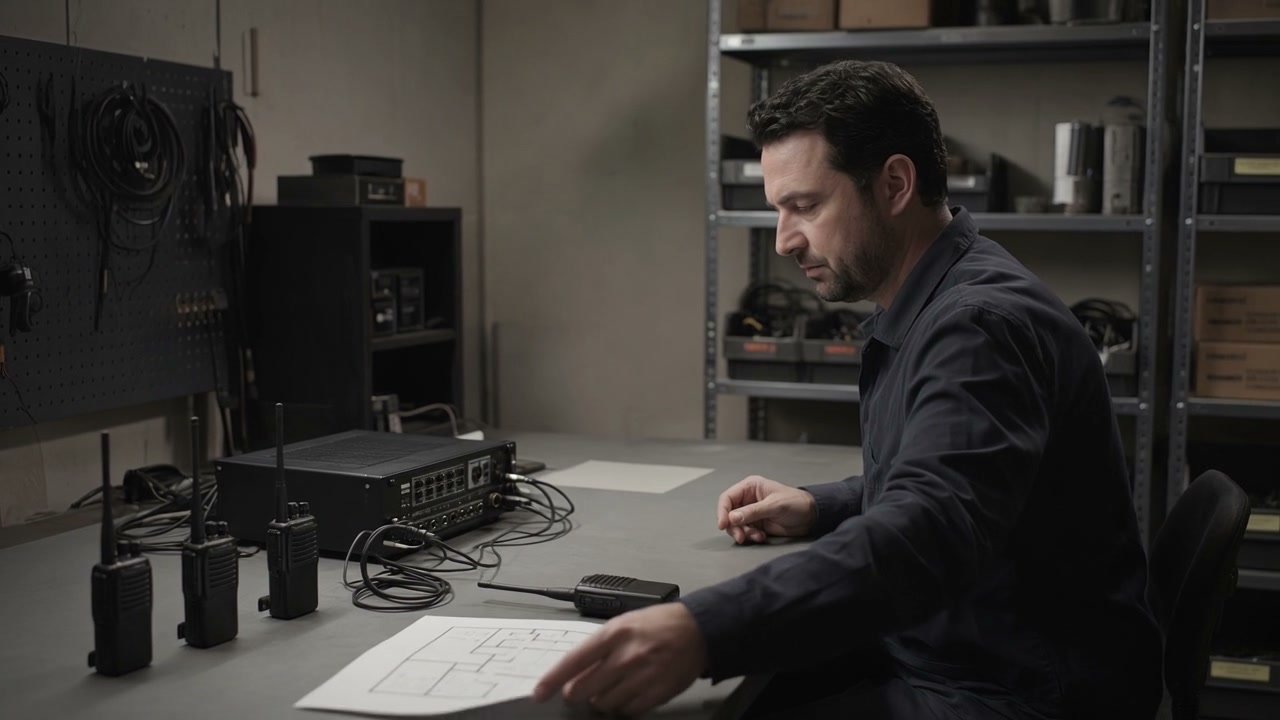
Operating scene reference for check the current fleet.
Record models, variants, programming and existing call groups. This gives the system review a known starting point and prevents compatibility assumptions.
PLANNING MAP
01Models
02Variants
03Programming
04Call groups
USE THIS NEXT
Check The Current Fleet
Record models, variants, programming and existing call groups. This gives the system review a known starting point and prevents compatibility assumptions.
Operating scene reference for review the infrastructure.
A repeater proposal may depend on location, antenna path, power, protection and service access. Record the questions that need site review rather than treating these as invisible details.
PLANNING MAP
01Potential location
02Antenna path
03Power
04Service access
USE THIS NEXT
Review The Infrastructure
A repeater proposal may depend on location, antenna path, power, protection and service access. Record the questions that need site review rather than treating these as invisible details.
Agree the checks that would demonstrate the intended call path.
Operating scene reference for set the evidence.
Choose the routes, users and calls that should be checked after a change. Keep a proposed system direction separate from any measured coverage outcome.
PLANNING MAP
01Test route
02User roles
03Call checks
04Measured record
USE THIS NEXT
Set The Evidence
Choose the routes, users and calls that should be checked after a change. Keep a proposed system direction separate from any measured coverage outcome.
No. A repeater is a potential system component; it does not replace understanding the operating environment, user routes and the checks needed for the site.
02
What should be recorded about current handhelds?
+
Exact model, variant, current programming and the call groups that must communicate. This supports a grounded compatibility review.
03
Why include potential interference in the brief?
+
It is one of the technical questions that may affect a system path. Record it for review rather than assume it is irrelevant.
About this guide
Use these guides to organise the operational details, equipment questions and next checks that lead to a clearer radio communication brief. They are general planning resources and do not report a particular team's work, location or outcome. Use it to prepare a clearer internal brief and then confirm decisions against the actual environment, equipment and operating need.
Questions to ask before adding a repeater to handheld radios: operating areas, routes, radio variants, call groups, power, antenna position, interference and evidence.

 01 / THE OPERATING QUESTION