A practical brief for teams considering a radio antenna replacement or addition without assuming that a connector or antenna length solves a coverage issue.
01 / THE GUIDE IN CONTEXTRADIO ANTENNA PLANNING
For teams preparing an antenna, cable or coverage-change question for an existing radio system
Radio antenna replacement brief
An antenna is part of a radio system. Before a change, the team needs a clear record of the existing radio, intended band, connector, installation context, reported symptom and the route that will be checked afterwards.
OBOR KUASA / INDUSTRY USE-CASE GUIDE · Use these guides to organise the operational details, equipment questions and next checks that lead to a clearer radio communication brief. They are general planning resources and do not report a particular team's work, location or outcome.
01 / THE OPERATING QUESTION
Start with the work.
An antenna is part of a radio system. Before a change, the team needs a clear record of the existing radio, intended band, connector, installation context, reported symptom and the route that will be checked afterwards.
02 / THE PLANNING DECISION
Make the next step visible.
A structured brief separates a physical replacement question from coverage, programming or wider system issues that need their own assessment.
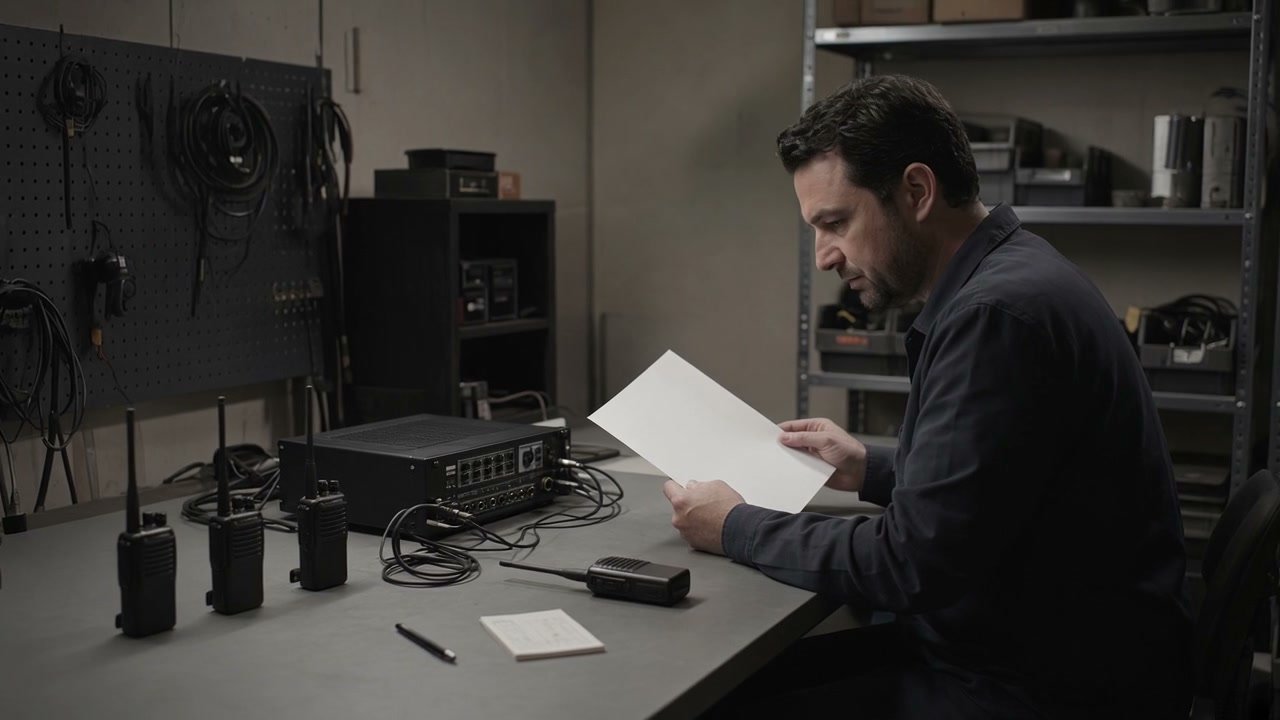
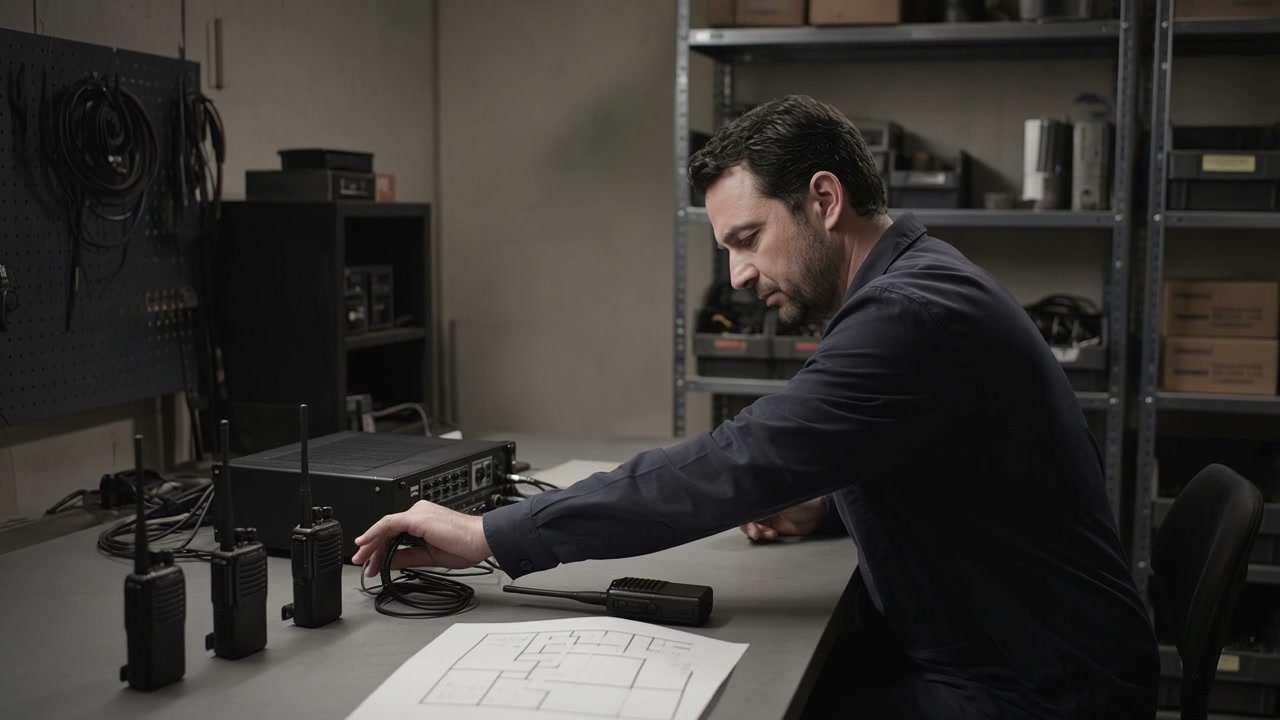
Operating scene reference.
02 / THE PLANNING PATH (04)
START WITH THE WORK. THEN BUILD THE BRIEF.
A structured brief separates a physical replacement question from coverage, programming or wider system issues that need their own assessment.
Use this as a planning guide for a comparable operating environment. Confirm equipment, coverage, programme and service decisions against the actual worksite and current equipment.
01 / 04USE-CASE GUIDE
Operating scene reference for the first planning step.
01 / RECORD THE BASELINEUSE-CASE GUIDE
Capture the existing radio and antenna arrangement.
Operating scene reference for record the baseline.
List the radio model, operating band, current antenna reference, connector and any cable or mounting information already known.
PLANNING MAP
01Radio model
02Operating band
03Current antenna
04Connector
USE THIS NEXT
Record The Baseline
List the radio model, operating band, current antenna reference, connector and any cable or mounting information already known.
Note the work route, location, call group and observed condition. Separate a physical antenna concern from a possible coverage, power or programming question.
PLANNING MAP
01Location
02Call group
03Observed condition
04Open cause
USE THIS NEXT
Define The Symptom
Note the work route, location, call group and observed condition. Separate a physical antenna concern from a possible coverage, power or programming question.
Verify the proposed component against the exact system.
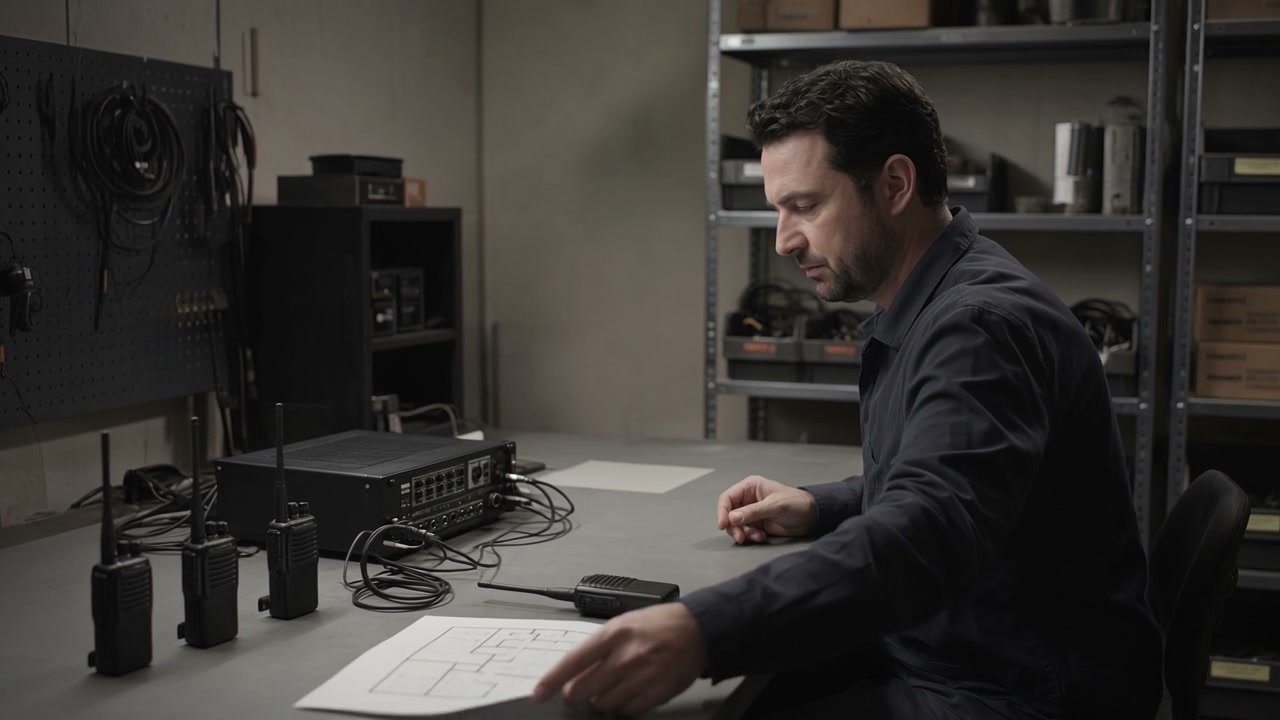
Operating scene reference for check the fit.
Confirm the intended component, band and connection against current equipment information. Do not infer fit from appearance or a broad product family name.
PLANNING MAP
01Proposed component
02Band check
03Connection
04Current information
USE THIS NEXT
Check The Fit
Confirm the intended component, band and connection against current equipment information. Do not infer fit from appearance or a broad product family name.
No. Coverage depends on the full system, operating environment, configuration and the practical route being checked.
02
Can a connector appearance confirm compatibility?
+
No. Use the exact equipment information and proposed component details before making a change.
03
Should an antenna change replace a site assessment?
+
No. A physical change and a coverage question should be recorded separately so the right next check is clear.
About this guide
Use these guides to organise the operational details, equipment questions and next checks that lead to a clearer radio communication brief. They are general planning resources and do not report a particular team's work, location or outcome. Use it to prepare a clearer internal brief and then confirm decisions against the actual environment, equipment and operating need.
A practical brief for teams considering a radio antenna replacement or addition without assuming that a connector or antenna length solves a coverage issue.

 01 / THE OPERATING QUESTION