
 01 / THE OPERATING QUESTION
Start with the work.
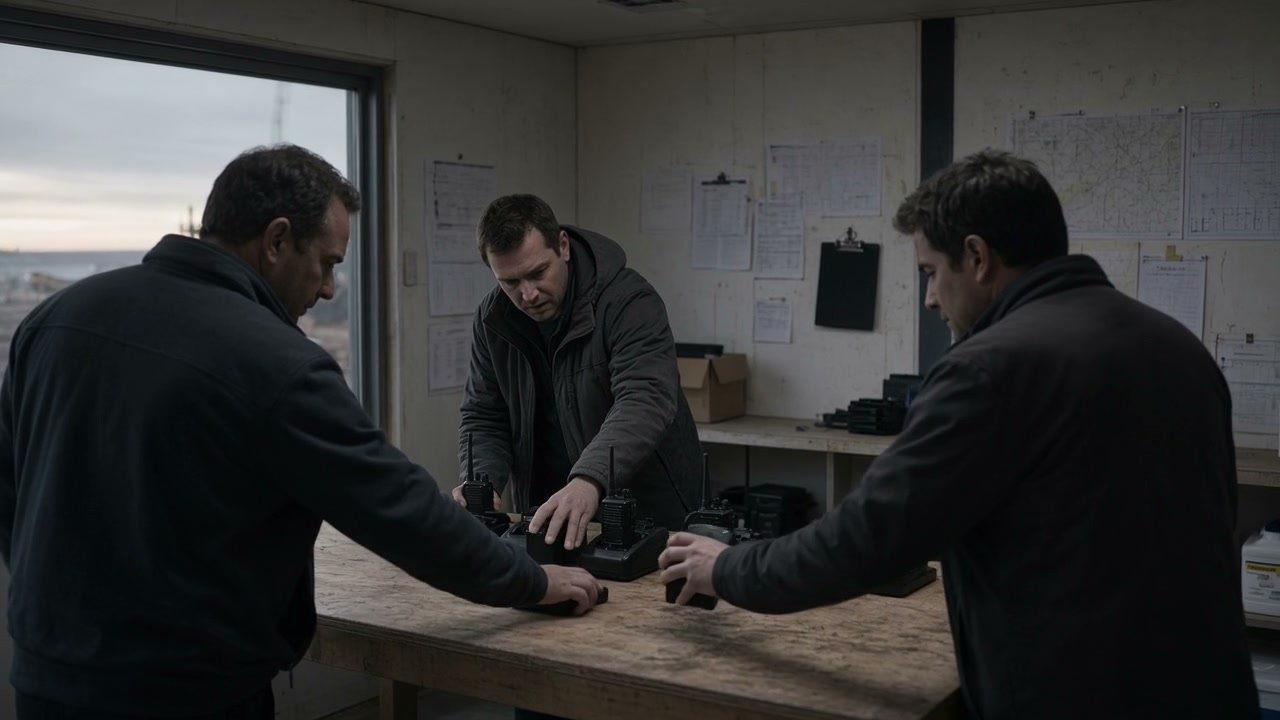
Construction communication changes as crews, access routes and work fronts change. A handheld decision should begin with the tasks, locations and handovers that need a reliable call path.
09 / CONSTRUCTION COMMUNICATION
What a construction team should clarify before buying handheld radios: simultaneous users, zones, noisy work, call groups, charging, accessories and existing equipment.
Construction communication changes as crews, access routes and work fronts change. A handheld decision should begin with the tasks, locations and handovers that need a reliable call path.
01 / THE OPERATING QUESTIONConstruction communication changes as crews, access routes and work fronts change. A handheld decision should begin with the tasks, locations and handovers that need a reliable call path.
 02 / THE PLANNING DECISION
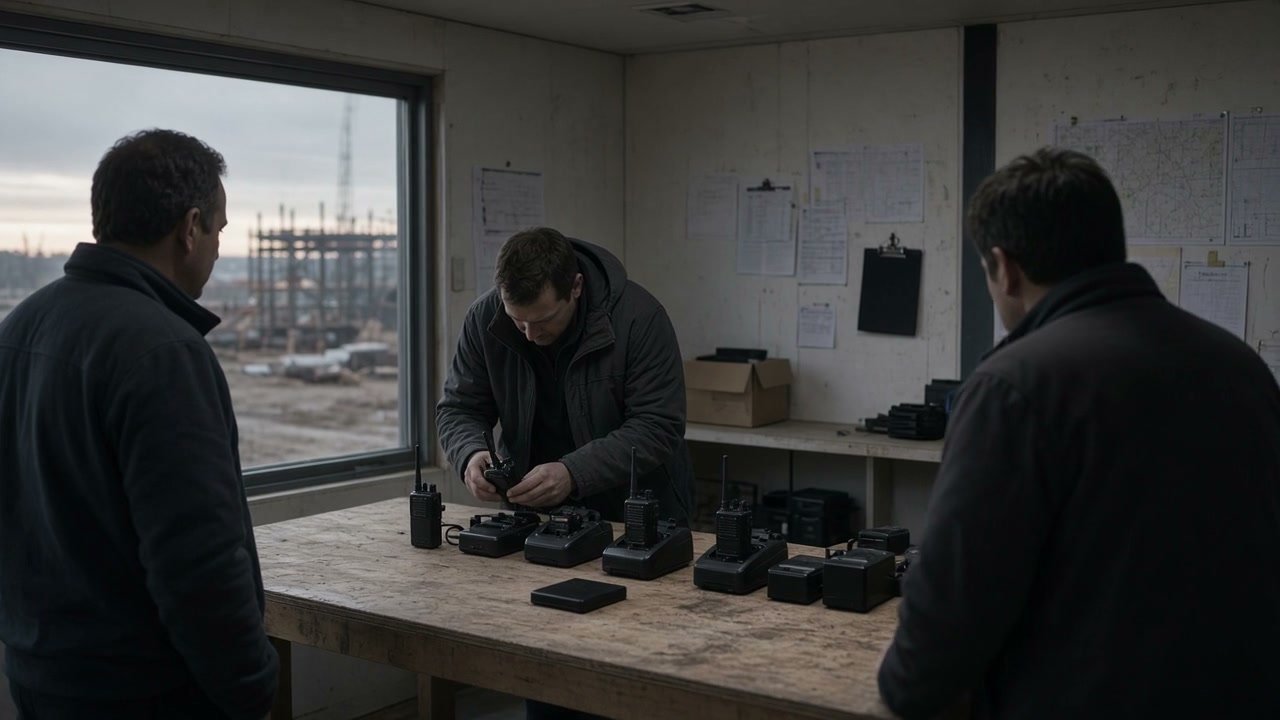
Document simultaneous users, noisy tasks, critical call groups, charging space and existing equipment before comparing handset options.
Operating scene reference.
Document simultaneous users, noisy tasks, critical call groups, charging space and existing equipment before comparing handset options.
Use this as a planning guide for a comparable operating environment. Confirm equipment, coverage, programme and service decisions against the actual worksite and current equipment.Identify the people who need to communicate at the same time across supervisors, work fronts, logistics, safety and access control. This shows the real demand during peak activity.
Identify the people who need to communicate at the same time across supervisors, work fronts, logistics, safety and access control. This shows the real demand during peak activity.
Use a current site plan to note changing work areas, vertical routes, delivery points and locations where a missed call would affect coordination or safety.
Use a current site plan to note changing work areas, vertical routes, delivery points and locations where a missed call would affect coordination or safety.
Record any earpiece need, carrying requirement, charging position and shift routine. Accessories and charging arrangements should support the way radios are actually issued and returned.
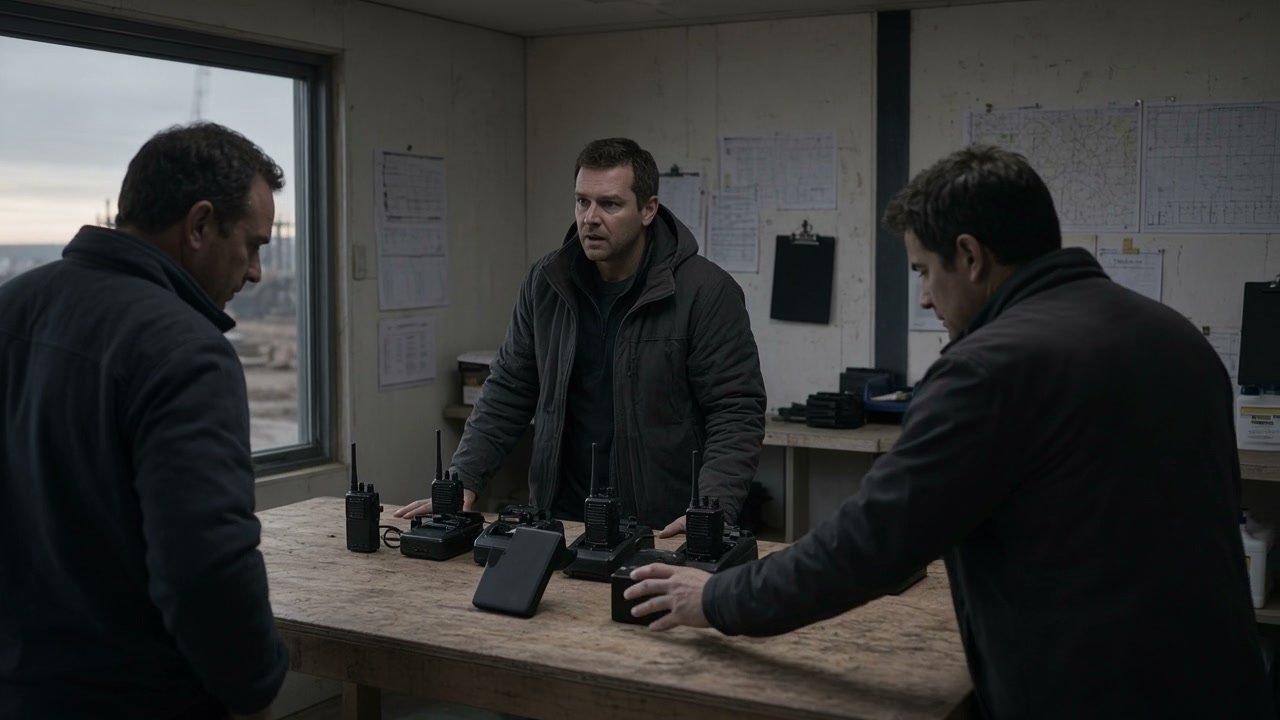
Record any earpiece need, carrying requirement, charging position and shift routine. Accessories and charging arrangements should support the way radios are actually issued and returned.
List existing models, accessories and any known issues. This helps separate an addition to the fleet from a mixed-equipment or service question.
List existing models, accessories and any known issues. This helps separate an addition to the fleet from a mixed-equipment or service question.
Start with the work map and communication needs. A model should be considered after the team has defined users, zones, accessories, charging and existing equipment.
Noise can affect how people receive and respond to calls. It may change the accessory, operating practice or communication approach that needs to be considered.
No. A plan helps identify questions and routes to assess; it is not coverage evidence by itself.
Use these guides to organise the operational details, equipment questions and next checks that lead to a clearer radio communication brief. They are general planning resources and do not report a particular team's work, location or outcome. Use it to prepare a clearer internal brief and then confirm decisions against the actual environment, equipment and operating need.
See OBOR KUASA radio systemsWhat a construction team should clarify before buying handheld radios: simultaneous users, zones, noisy work, call groups, charging, accessories and existing equipment.
TALK ABOUT YOUR WORK