
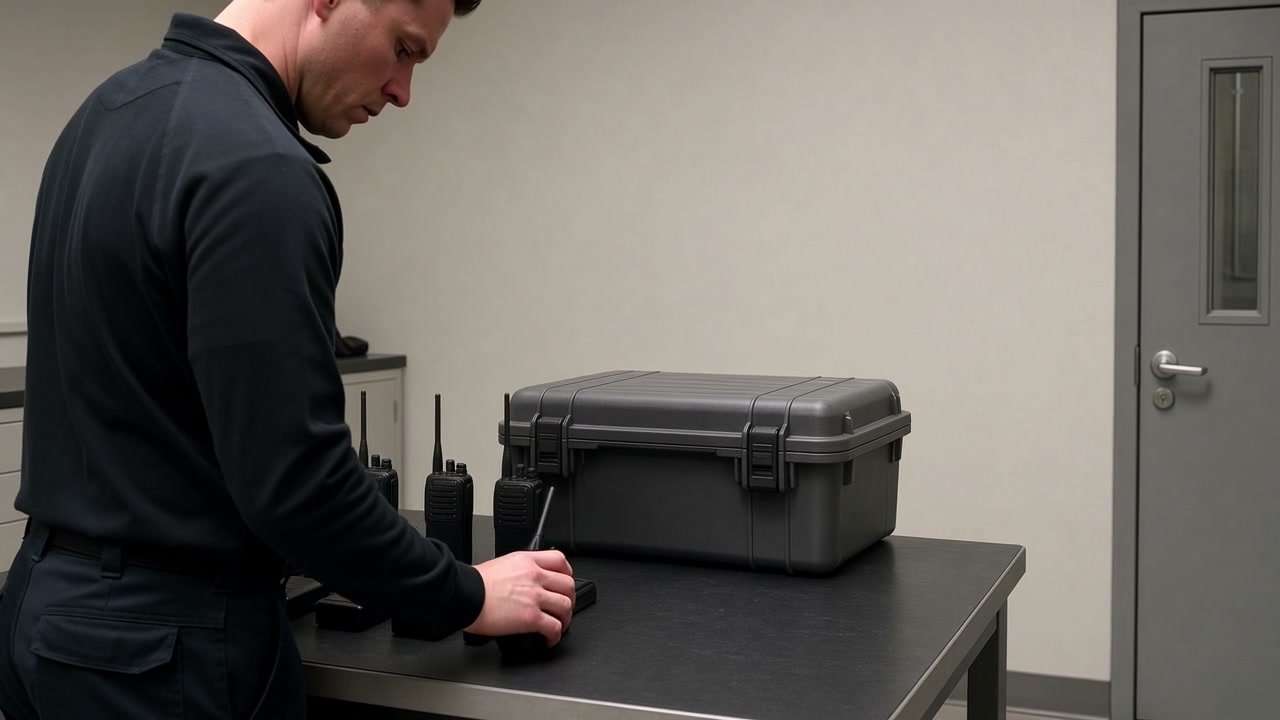
 01 / THE OPERATING QUESTION
Start with the work.
Phased supply can be useful when teams, locations or work stages change over time. It becomes difficult to manage if every delivery is treated as proof that the whole operating system is complete.
12 / PHASED EQUIPMENT SUPPLY
What to document when radio equipment is supplied in phases: list, allocation, accessories, stage status, unresolved questions and handover checks.
Phased supply can be useful when teams, locations or work stages change over time. It becomes difficult to manage if every delivery is treated as proof that the whole operating system is complete.
01 / THE OPERATING QUESTIONPhased supply can be useful when teams, locations or work stages change over time. It becomes difficult to manage if every delivery is treated as proof that the whole operating system is complete.
 02 / THE PLANNING DECISION
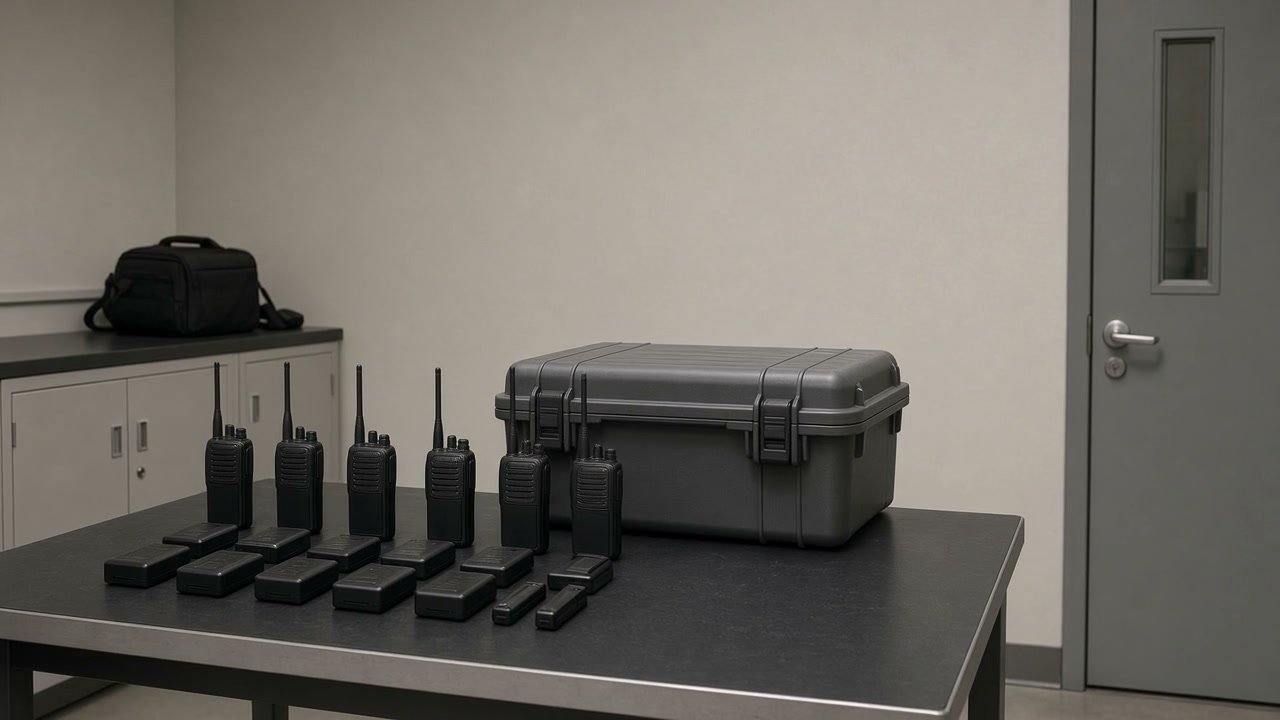
Record the equipment, allocation, stage, open programming or coverage question and handover check for each phase. Keep delivery, commissioning and user acceptance distinct.
Operating scene reference.
Record the equipment, allocation, stage, open programming or coverage question and handover check for each phase. Keep delivery, commissioning and user acceptance distinct.
Use this as a planning guide for a comparable operating environment. Confirm equipment, coverage, programme and service decisions against the actual worksite and current equipment.State which team, area or work condition the phase supports. This keeps the purpose of the phase visible while the larger equipment plan develops.
State which team, area or work condition the phase supports. This keeps the purpose of the phase visible while the larger equipment plan develops.
Create a list for the phase that identifies each item and the intended user group or area. Separate base equipment from spares, accessories and equipment still under review.
Create a list for the phase that identifies each item and the intended user group or area. Separate base equipment from spares, accessories and equipment still under review.
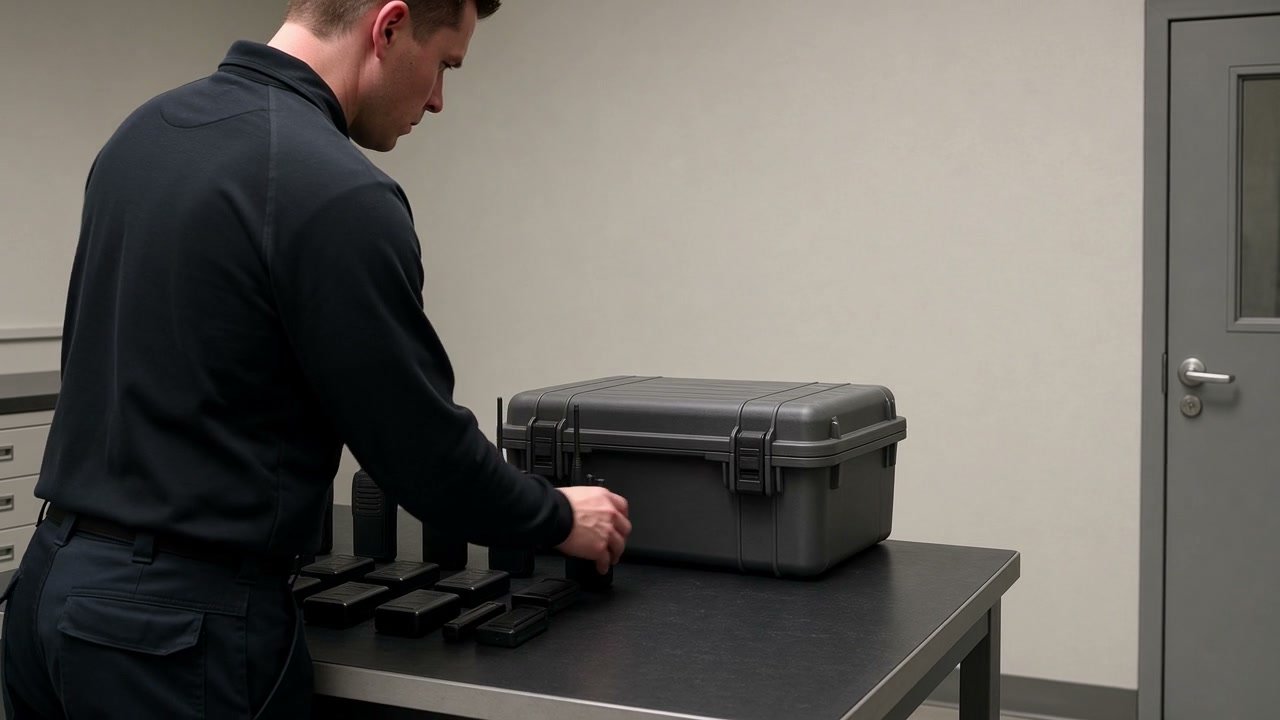
A delivery can occur while a programming, site or coverage question remains open. Record that boundary so the next phase does not inherit an assumption as if it were a confirmed result.
A delivery can occur while a programming, site or coverage question remains open. Record that boundary so the next phase does not inherit an assumption as if it were a confirmed result.
Use a handover check that identifies received equipment, allocation and any agreed functional test. Keep user acceptance distinct from delivery paperwork.
Use a handover check that identifies received equipment, allocation and any agreed functional test. Keep user acceptance distinct from delivery paperwork.
No. Delivery, commissioning and user acceptance are different records. Keep each status visible rather than treating a delivered item as proof of a complete outcome.
Accessories affect how the radios can be issued and used. Listing them with the phase prevents gaps at handover.
No. Each phase needs its own handover and acceptance record. A later supply does not establish the status of the earlier stage.
Use these guides to organise the operational details, equipment questions and next checks that lead to a clearer radio communication brief. They are general planning resources and do not report a particular team's work, location or outcome. Use it to prepare a clearer internal brief and then confirm decisions against the actual environment, equipment and operating need.
See OBOR KUASA radio-system servicesWhat to document when radio equipment is supplied in phases: list, allocation, accessories, stage status, unresolved questions and handover checks.
TALK ABOUT YOUR WORK