A practical pre-reprogramming checklist for two-way radios: exact models, channel plan, user groups, symptoms, asset count and acceptance checks.
01 / THE GUIDE IN CONTEXTRADIO REPROGRAMMING
For security supervisors, operations managers and teams maintaining existing radio fleets
Two-way radio reprogramming checklist
Reprogramming is a settings decision. It should not be used to hide a coverage issue, a faulty unit or an unknown equipment mix. Start with a written picture of the current radios and the calls that must work after the change.
OBOR KUASA / INDUSTRY USE-CASE GUIDE · Use these guides to organise the operational details, equipment questions and next checks that lead to a clearer radio communication brief. They are general planning resources and do not report a particular team's work, location or outcome.
01 / THE OPERATING QUESTION
Start with the work.
Reprogramming is a settings decision. It should not be used to hide a coverage issue, a faulty unit or an unknown equipment mix. Start with a written picture of the current radios and the calls that must work after the change.
02 / THE PLANNING DECISION
Make the next step visible.
When the model, variant, channel plan and asset ownership are known, the team can separate programming work from repair, replacement or site-assessment questions.
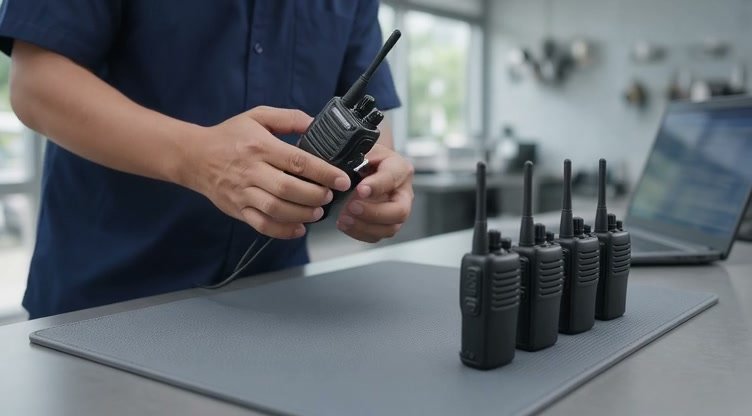
Operating scene reference.
02 / THE PLANNING PATH (04)
START WITH THE WORK. THEN BUILD THE BRIEF.
When the model, variant, channel plan and asset ownership are known, the team can separate programming work from repair, replacement or site-assessment questions.
Use this as a planning guide for a comparable operating environment. Confirm equipment, coverage, programme and service decisions against the actual worksite and current equipment.
01 / 04USE-CASE GUIDE
Operating scene reference for the first planning step.
01 / IDENTIFY THE FLEETUSE-CASE GUIDE
Record exact models and asset references.
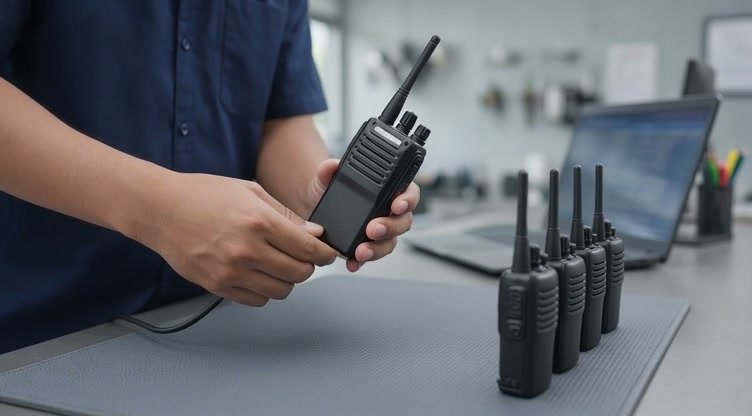
Operating scene reference for identify the fleet.
Capture the model, variant, asset tag and current holder for each unit in scope. Similar-looking radios can have different programming or compatibility requirements.
PLANNING MAP
01Model
02Variant
03Asset tag
04Current holder
USE THIS NEXT
Identify The Fleet
Capture the model, variant, asset tag and current holder for each unit in scope. Similar-looking radios can have different programming or compatibility requirements.
List the operational groups, shared channels and escalation calls. Note who should not hear routine traffic so the revised plan can be reviewed against the work.
PLANNING MAP
01Routine groups
02Shared calls
03Emergency route
04Shift handover
USE THIS NEXT
Draw The Call Plan
List the operational groups, shared channels and escalation calls. Note who should not hear routine traffic so the revised plan can be reviewed against the work.
Do not turn every problem into a programming request.
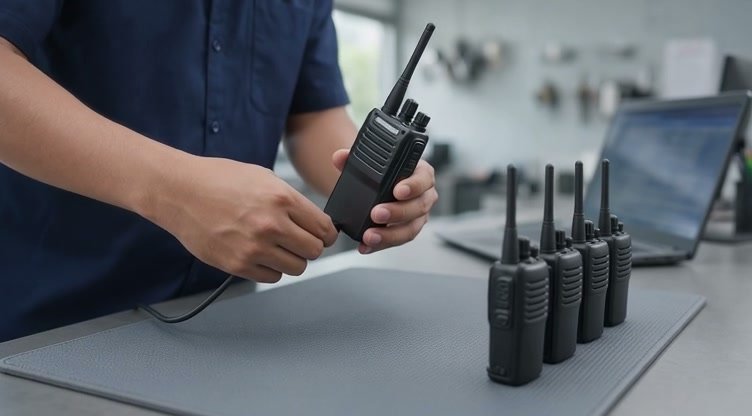
Operating scene reference for separate the issue.
Mark any physical fault, battery concern, coverage gap or unknown accessory separately. A settings change cannot confirm an antenna, charger or coverage condition.
PLANNING MAP
01Settings
02Equipment condition
03Coverage
04Accessories
USE THIS NEXT
Separate The Issue
Mark any physical fault, battery concern, coverage gap or unknown accessory separately. A settings change cannot confirm an antenna, charger or coverage condition.
Not by itself. Reprogramming changes settings; coverage depends on the operating environment, equipment configuration and any technical assessment or test that may be needed.
02
Why record variants as well as model names?
+
Variants can affect programming, accessories and compatibility. A broad model family name may not be enough to establish the correct settings path.
03
Who should check the change?
+
Include people who use the important call paths in the places where those calls matter. A bench check alone may not represent the working route.
About this guide
Use these guides to organise the operational details, equipment questions and next checks that lead to a clearer radio communication brief. They are general planning resources and do not report a particular team's work, location or outcome. Use it to prepare a clearer internal brief and then confirm decisions against the actual environment, equipment and operating need.

 01 / THE OPERATING QUESTION