A practical way to assess whether a licence-free radio option matches a small team's operating area, call pattern and equipment checks.
01 / THE GUIDE IN CONTEXTLICENCE-FREE RADIO PLANNING
For supervisors preparing a small-team communication brief before selecting licence-free radios
Licence-free radio suitability brief
The phrase licence-free does not describe the work pattern, the device configuration or the environmental limitations. Start with the people, areas and calls that need to be coordinated, then verify the exact equipment and current conditions.
OBOR KUASA / INDUSTRY USE-CASE GUIDE · Use these guides to organise the operational details, equipment questions and next checks that lead to a clearer radio communication brief. They are general planning resources and do not report a particular team's work, location or outcome.
01 / THE OPERATING QUESTION
Start with the work.
The phrase licence-free does not describe the work pattern, the device configuration or the environmental limitations. Start with the people, areas and calls that need to be coordinated, then verify the exact equipment and current conditions.
02 / THE PLANNING DECISION
Make the next step visible.
A documented brief makes it possible to distinguish a simple short-range communication need from a system, coverage or approval question that needs a different route.
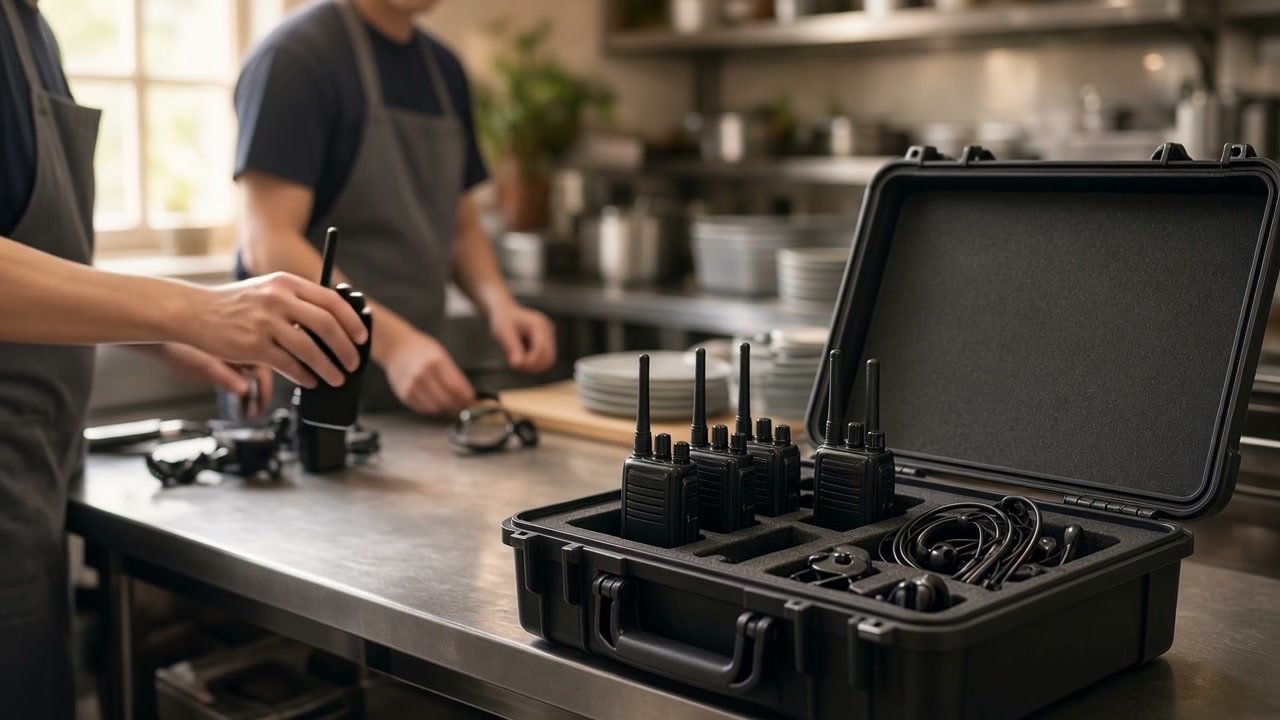
Operating scene reference.
02 / THE PLANNING PATH (04)
START WITH THE WORK. THEN BUILD THE BRIEF.
A documented brief makes it possible to distinguish a simple short-range communication need from a system, coverage or approval question that needs a different route.
Use this as a planning guide for a comparable operating environment. Confirm equipment, coverage, programme and service decisions against the actual worksite and current equipment.
01 / 04USE-CASE GUIDE
Operating scene reference for the first planning step.
01 / MAP THE CALLSUSE-CASE GUIDE
Start with the people and places that need to communicate.
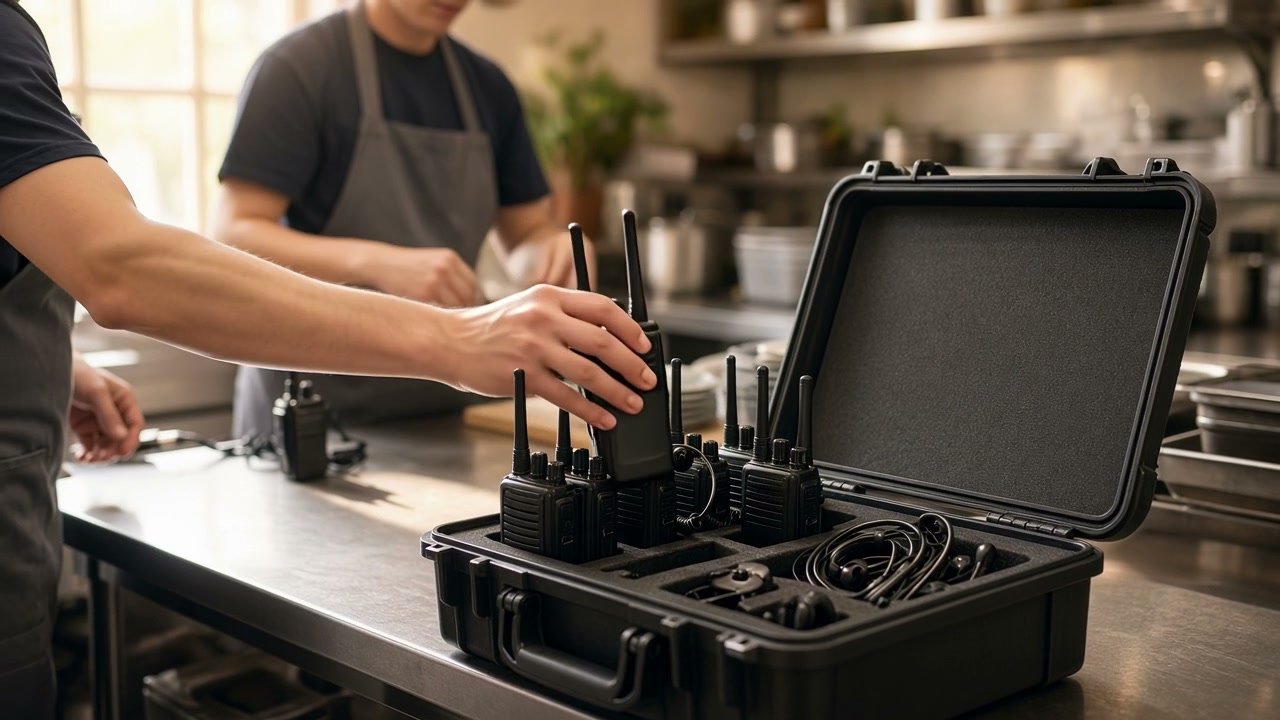
Operating scene reference for map the calls.
List simultaneous users, routine calls, handovers and the areas where a short-range call is needed. A quantity alone cannot describe the operating pattern.
PLANNING MAP
01Users
02Operating areas
03Call groups
04Shift handover
USE THIS NEXT
Map The Calls
List simultaneous users, routine calls, handovers and the areas where a short-range call is needed. A quantity alone cannot describe the operating pattern.
Keep the exact device reference, certification information, battery and accessories together. Similar-looking units can have different limits or compatibility requirements.
PLANNING MAP
01Exact model
02Certification record
03Battery
04Accessories
USE THIS NEXT
Verify The Device
Keep the exact device reference, certification information, battery and accessories together. Similar-looking units can have different limits or compatibility requirements.
Does licence-free mean every radio use is the same?
+
No. The exact device, current conditions and operating environment still need to be checked.
02
Can a simple device list prove reliable communication?
+
No. The actual work areas, noise, obstructions and important call paths must be considered.
03
When should the team ask a system question instead?
+
When the operating area, call criticality or coverage requirement goes beyond a simple short-range team brief, record it for a system or site review.
About this guide
Use these guides to organise the operational details, equipment questions and next checks that lead to a clearer radio communication brief. They are general planning resources and do not report a particular team's work, location or outcome. Use it to prepare a clearer internal brief and then confirm decisions against the actual environment, equipment and operating need.

 01 / THE OPERATING QUESTION