A practical brief for organising the operational and location information needed before discussing a Malaysian business-radio approval path.
01 / THE GUIDE IN CONTEXTRADIO LICENSING
For operations leads preparing a Malaysian business-radio application with the relevant authority or adviser
Malaysia business radio licence brief
A frequency or apparatus application begins with the work, not a device list. The team needs a shared description of the calls, locations, users and operating area before an approval path can be checked.
OBOR KUASA / INDUSTRY USE-CASE GUIDE · Use these guides to organise the operational details, equipment questions and next checks that lead to a clearer radio communication brief. They are general planning resources and do not report a particular team's work, location or outcome.
01 / THE OPERATING QUESTION
Start with the work.
A frequency or apparatus application begins with the work, not a device list. The team needs a shared description of the calls, locations, users and operating area before an approval path can be checked.
02 / THE PLANNING DECISION
Make the next step visible.
When the operating use, locations, unit count and communication pattern are documented, the team can ask the current authority or adviser about the correct route instead of assuming that a radio purchase decides it.
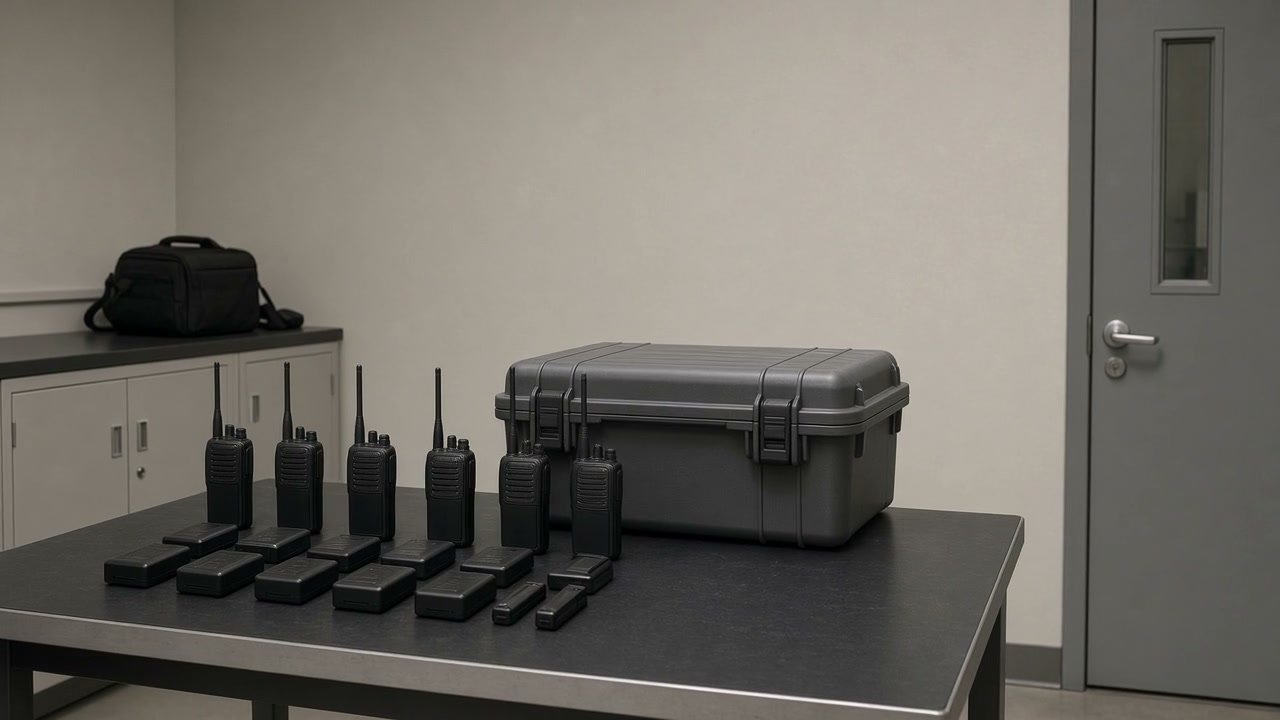
Operating scene reference.
02 / THE PLANNING PATH (04)
START WITH THE WORK. THEN BUILD THE BRIEF.
When the operating use, locations, unit count and communication pattern are documented, the team can ask the current authority or adviser about the correct route instead of assuming that a radio purchase decides it.
Use this as a planning guide for a comparable operating environment. Confirm equipment, coverage, programme and service decisions against the actual worksite and current equipment.
01 / 04USE-CASE GUIDE
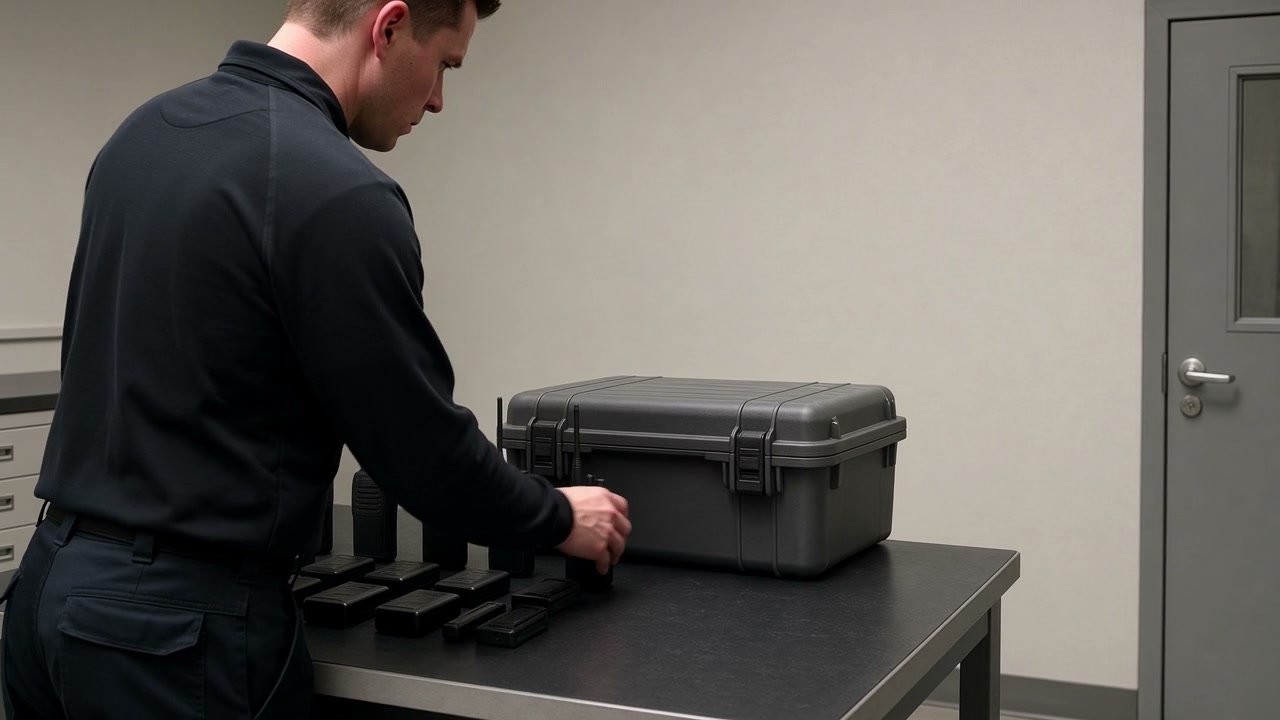
Operating scene reference for the first planning step.
01 / DEFINE THE USEUSE-CASE GUIDE
Describe the work the calls must support.
Operating scene reference for define the use.
Write the routine, coordination and escalation calls the team needs to make. Keep the description focused on the operating work rather than a preferred radio model.
PLANNING MAP
01Operating purpose
02Call groups
03Routine calls
04Escalation calls
USE THIS NEXT
Define The Use
Write the routine, coordination and escalation calls the team needs to make. Keep the description focused on the operating work rather than a preferred radio model.
List each operating location, work route, building or outdoor area, plus the geographic area that needs to be described. Do not infer coverage from a prior equipment list.
PLANNING MAP
01Locations
02Operating route
03Area boundary
04Coverage question
USE THIS NEXT
Map The Area
List each operating location, work route, building or outdoor area, plus the geographic area that needs to be described. Do not infer coverage from a prior equipment list.
Separate portable, mobile and infrastructure questions.
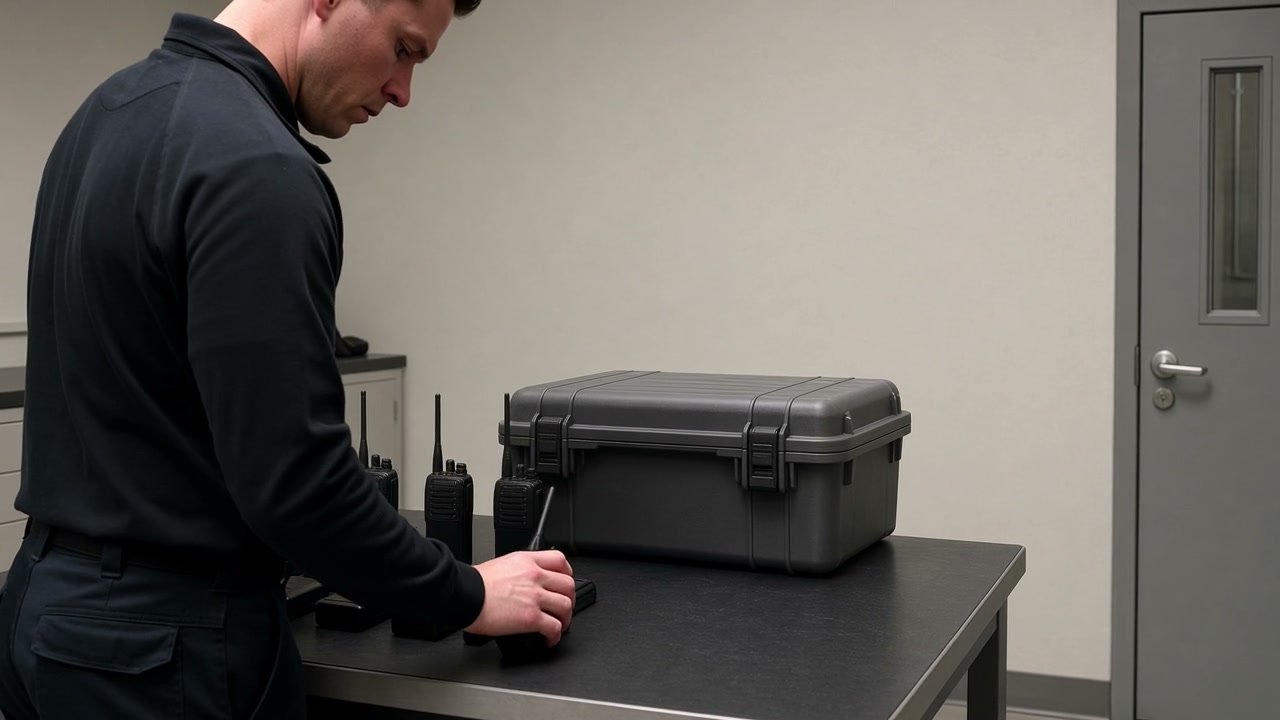
Operating scene reference for count the system.
Record the likely number of handheld and mobile units, current equipment and any system question. This keeps a unit count separate from the final technical configuration.
PLANNING MAP
01Handheld units
02Mobile units
03Existing equipment
04System question
USE THIS NEXT
Count The System
Record the likely number of handheld and mobile units, current equipment and any system question. This keeps a unit count separate from the final technical configuration.
Use the current regulatory process before committing.
Operating scene reference for check the route.
Take the brief to the relevant authority or qualified adviser for the current application, frequency and condition requirements. Record any open item before equipment is ordered or changed.
PLANNING MAP
01Current process
02Responsible contact
03Open items
04Next review
USE THIS NEXT
Check The Route
Take the brief to the relevant authority or qualified adviser for the current application, frequency and condition requirements. Record any open item before equipment is ordered or changed.
Does a handheld-radio list establish an approval path?
+
No. A unit list is only one input. The operating purpose, locations, system description and current regulatory requirements also need to be checked.
02
Should a team choose simplex or duplex only from price?
+
No. The communication pattern, operating area, infrastructure question and current approval conditions should be reviewed together.
03
Can this guide confirm an application outcome?
+
No. It prepares a clearer brief. The relevant authority or adviser must confirm the current route, conditions and approval outcome.
About this guide
Use these guides to organise the operational details, equipment questions and next checks that lead to a clearer radio communication brief. They are general planning resources and do not report a particular team's work, location or outcome. Use it to prepare a clearer internal brief and then confirm decisions against the actual environment, equipment and operating need.

 01 / THE OPERATING QUESTION