A planning guide for moving from an existing analogue radio fleet toward a digital communication system without losing track of models, calls or tests.
01 / THE GUIDE IN CONTEXTRADIO FLEET MIGRATION
For operations managers reviewing a staged change from analogue radios to a digital fleet
Analog-to-digital radio migration brief
A digital label does not make old and new radios compatible by itself. A migration needs an accurate view of current models, routine calls, accessories, charging and the locations where the transition must be checked.
OBOR KUASA / INDUSTRY USE-CASE GUIDE · Use these guides to organise the operational details, equipment questions and next checks that lead to a clearer radio communication brief. They are general planning resources and do not report a particular team's work, location or outcome.
01 / THE OPERATING QUESTION
Start with the work.
A digital label does not make old and new radios compatible by itself. A migration needs an accurate view of current models, routine calls, accessories, charging and the locations where the transition must be checked.
02 / THE PLANNING DECISION
Make the next step visible.
With an inventory and call map in place, the team can define a phased change, temporary coexistence and a test route instead of replacing units without an operating plan.
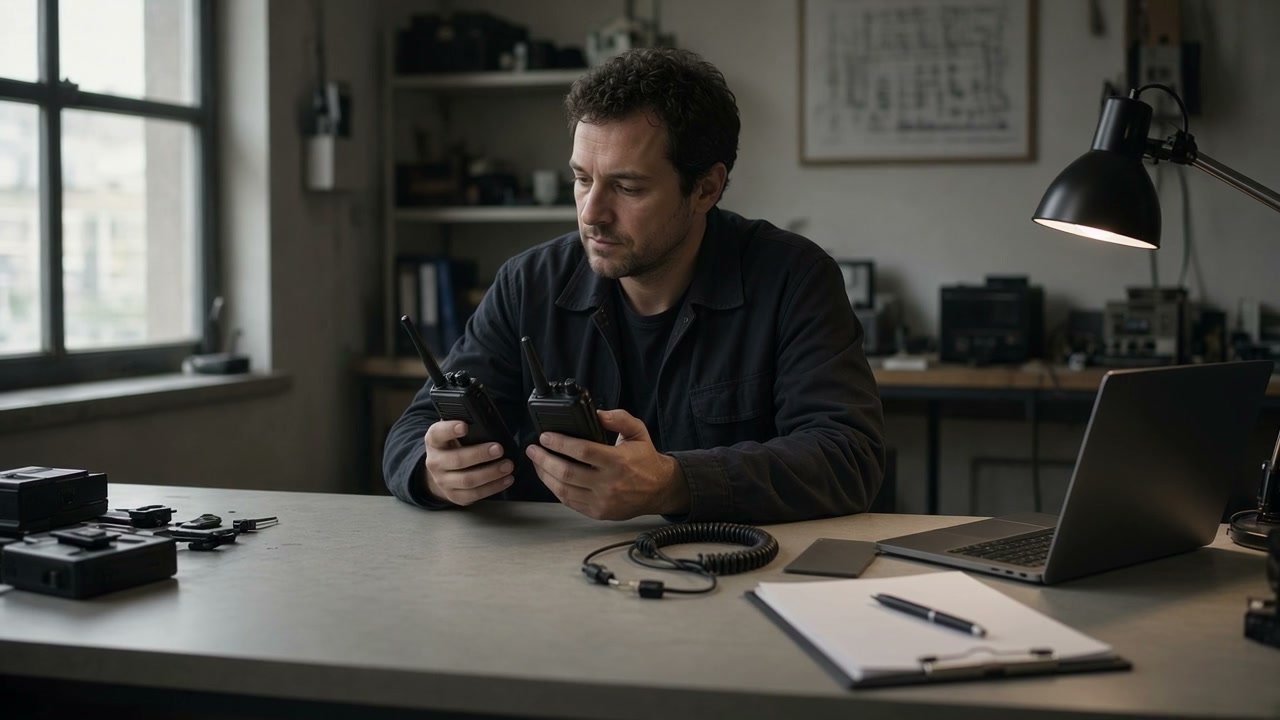
Operating scene reference.
02 / THE PLANNING PATH (04)
START WITH THE WORK. THEN BUILD THE BRIEF.
With an inventory and call map in place, the team can define a phased change, temporary coexistence and a test route instead of replacing units without an operating plan.
Use this as a planning guide for a comparable operating environment. Confirm equipment, coverage, programme and service decisions against the actual worksite and current equipment.
01 / 04USE-CASE GUIDE
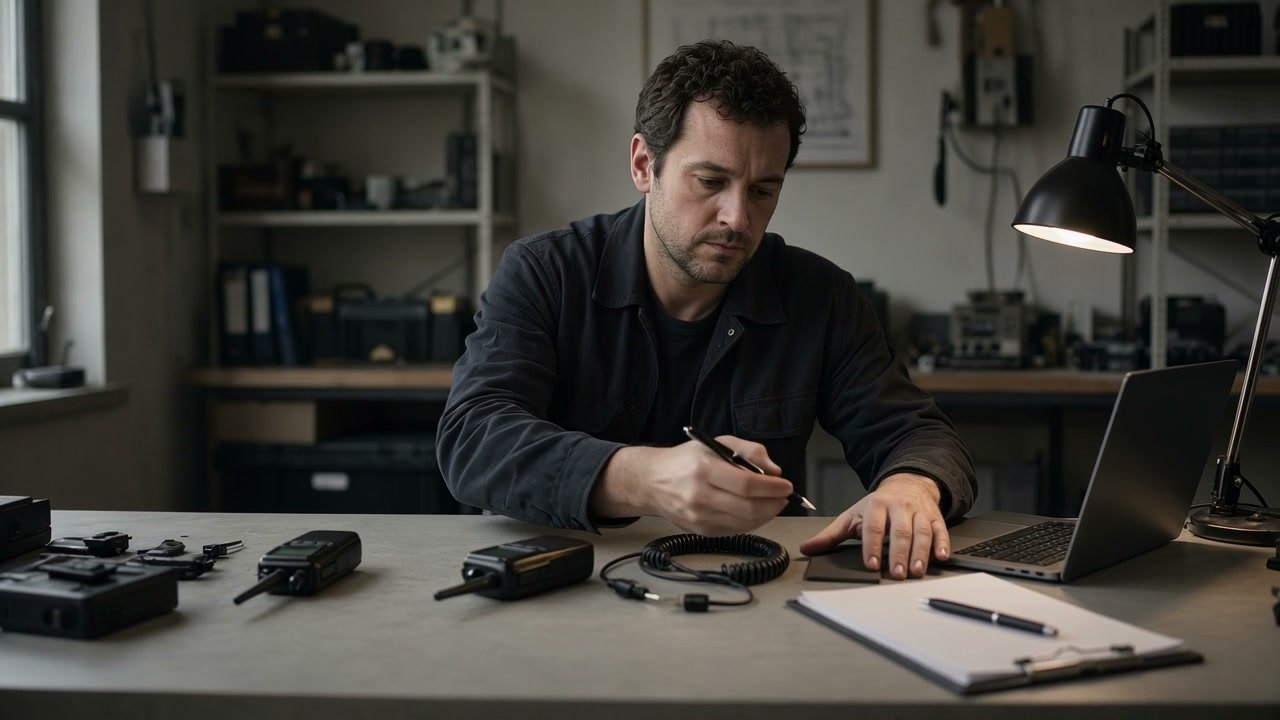
Operating scene reference for the first planning step.
01 / INVENTORY THE FLEETUSE-CASE GUIDE
Record models, variants and current holders.
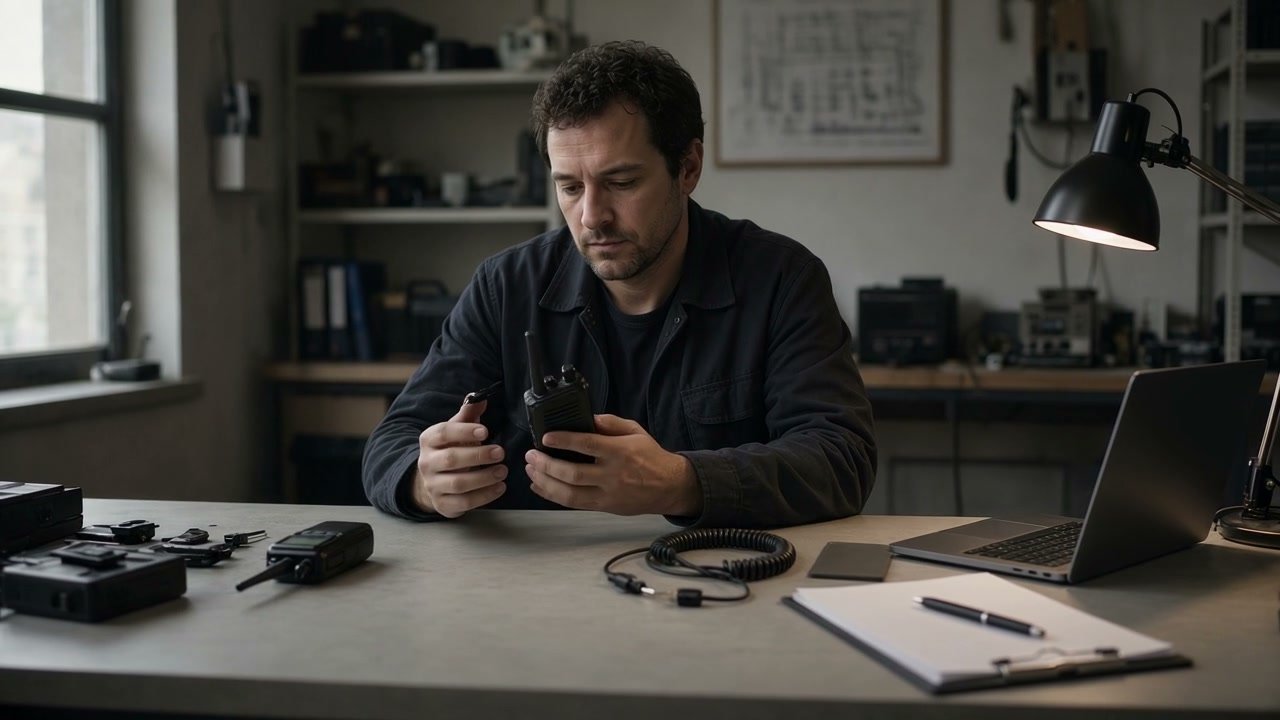
Operating scene reference for inventory the fleet.
Create one inventory that includes every radio in scope, its version or variant, accessory fit, battery condition and current holder or area.
PLANNING MAP
01Model
02Variant
03Accessory fit
04Current holder
USE THIS NEXT
Inventory The Fleet
Create one inventory that includes every radio in scope, its version or variant, accessory fit, battery condition and current holder or area.
Can a new digital radio be assumed to work with every existing radio?
+
No. Model, variant, programming, system configuration and operating conditions need a specific compatibility check.
02
Should all units change at once?
+
Not necessarily. A staged plan can make it easier to protect important calls and check each group before the next change.
03
Does a successful bench check prove the route is ready?
+
No. Important calls should also be checked with users in the places where those calls are needed.
About this guide
Use these guides to organise the operational details, equipment questions and next checks that lead to a clearer radio communication brief. They are general planning resources and do not report a particular team's work, location or outcome. Use it to prepare a clearer internal brief and then confirm decisions against the actual environment, equipment and operating need.
A planning guide for moving from an existing analogue radio fleet toward a digital communication system without losing track of models, calls or tests.

 01 / THE OPERATING QUESTION