What a mobile service team should include in a short-term radio hire brief: dates, technicians, routes, call groups, handovers, accessories, charging and return ownership.
01 / THE GUIDE IN CONTEXTMOBILE SERVICE RADIO HIRE
For mobile technicians, service coordinators and temporary operations teams
Mobile service radio hire brief
A mobile service hire is shaped by movement: technicians may be moving between vehicles, buildings, plant areas or temporary work zones. A quantity alone does not show who needs to communicate, where the handovers are or how the kit returns.
OBOR KUASA / INDUSTRY USE-CASE GUIDE · Use these guides to organise the operational details, equipment questions and next checks that lead to a clearer radio communication brief. They are general planning resources and do not report a particular team's work, location or outcome.
01 / THE OPERATING QUESTION
Start with the work.
A mobile service hire is shaped by movement: technicians may be moving between vehicles, buildings, plant areas or temporary work zones. A quantity alone does not show who needs to communicate, where the handovers are or how the kit returns.
02 / THE PLANNING DECISION
Make the next step visible.
Describe the job dates, simultaneous technicians, operating route, handover points, accessories, charging plan and return owner so the hire list can be reviewed against the work.
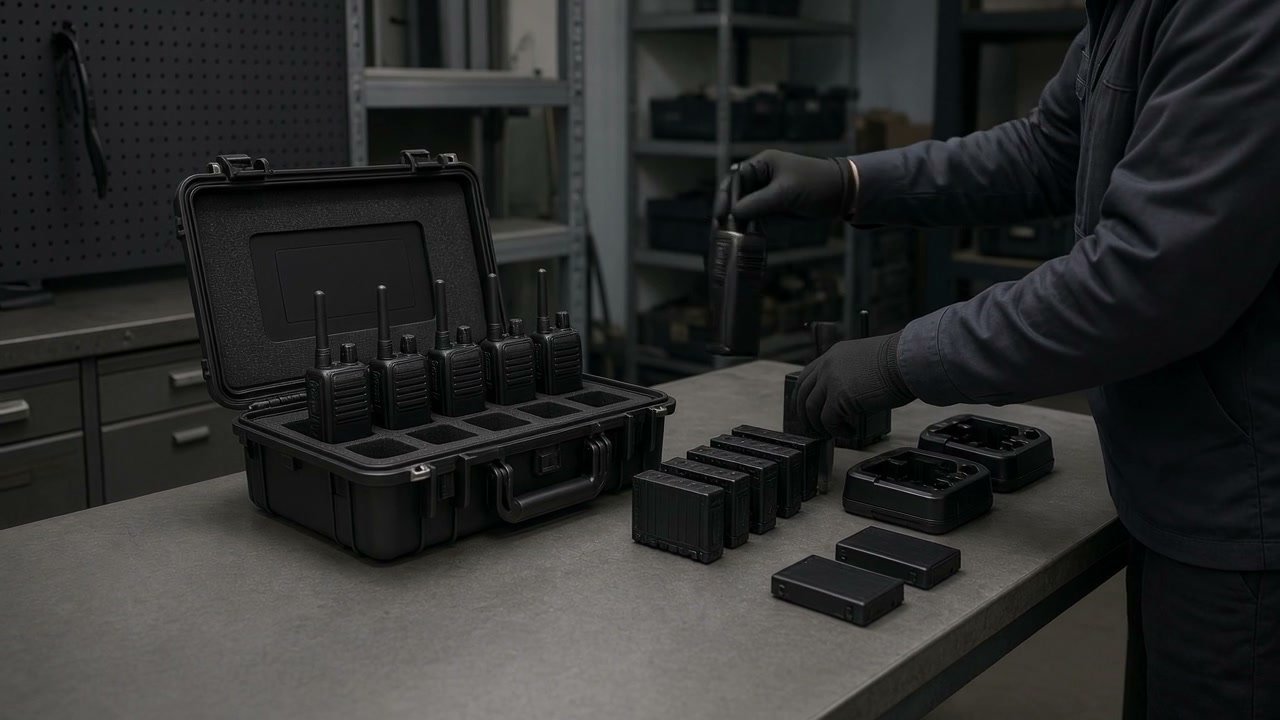
Operating scene reference.
02 / THE PLANNING PATH (04)
START WITH THE WORK. THEN BUILD THE BRIEF.
Describe the job dates, simultaneous technicians, operating route, handover points, accessories, charging plan and return owner so the hire list can be reviewed against the work.
Use this as a planning guide for a comparable operating environment. Confirm equipment, coverage, programme and service decisions against the actual worksite and current equipment.
01 / 04USE-CASE GUIDE
Operating scene reference for the first planning step.
01 / SET THE JOB WINDOWUSE-CASE GUIDE
Separate dates from actual collection and return.
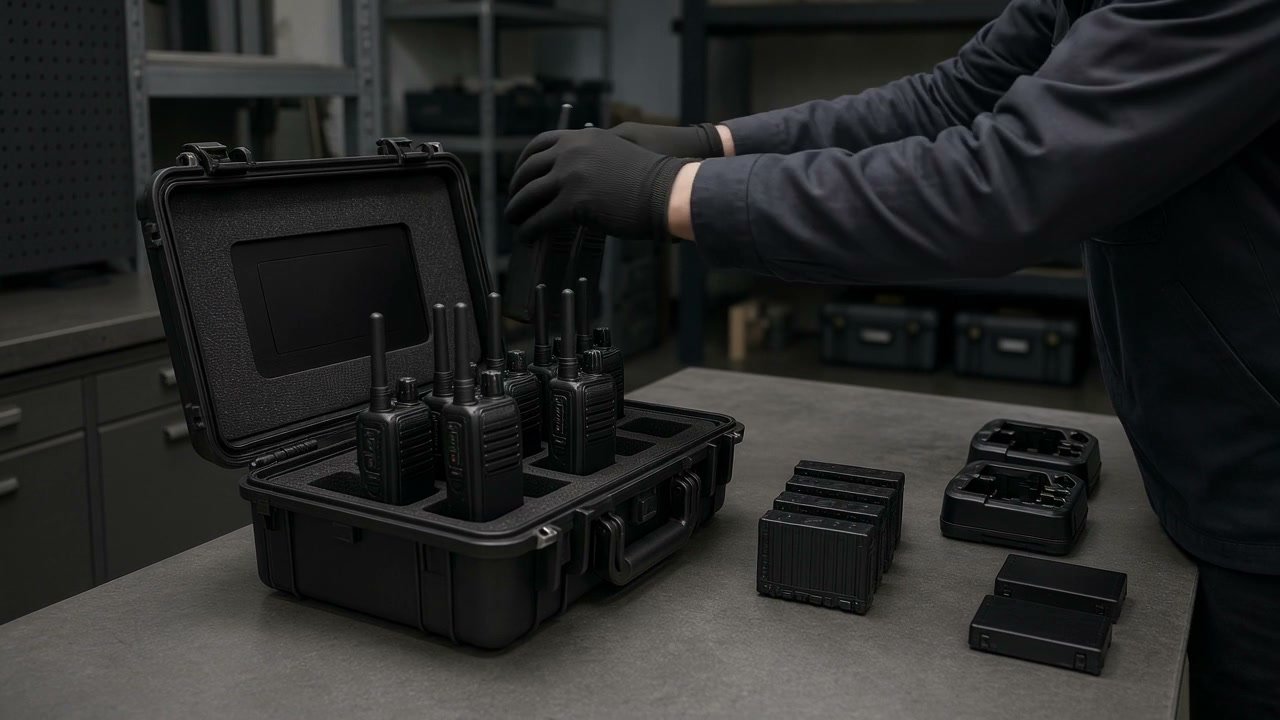
Operating scene reference for set the job window.
State the job dates, setup or travel period, collection time and return time. This gives the hire a clear operating window and equipment handover point.
PLANNING MAP
01Job dates
02Collection
03Travel or setup
04Return
USE THIS NEXT
Set The Job Window
State the job dates, setup or travel period, collection time and return time. This gives the hire a clear operating window and equipment handover point.
Record vehicle routes, buildings, work zones and the handovers that require calls. This is more useful than a bare quantity because it explains where coordination matters.
PLANNING MAP
01Vehicles
02Buildings
03Work zones
04Handover points
USE THIS NEXT
Map The Movement
Record vehicle routes, buildings, work zones and the handovers that require calls. This is more useful than a bare quantity because it explains where coordination matters.
Operating scene reference for build the call plan.
Identify which technicians, coordinators and support roles need radios at the same time. Include any shared or escalation calls that cross the normal work groups.
PLANNING MAP
01Technicians
02Coordinator
03Support
04Escalation
USE THIS NEXT
Build The Call Plan
Identify which technicians, coordinators and support roles need radios at the same time. Include any shared or escalation calls that cross the normal work groups.
Make charging, accessories and return accountable.
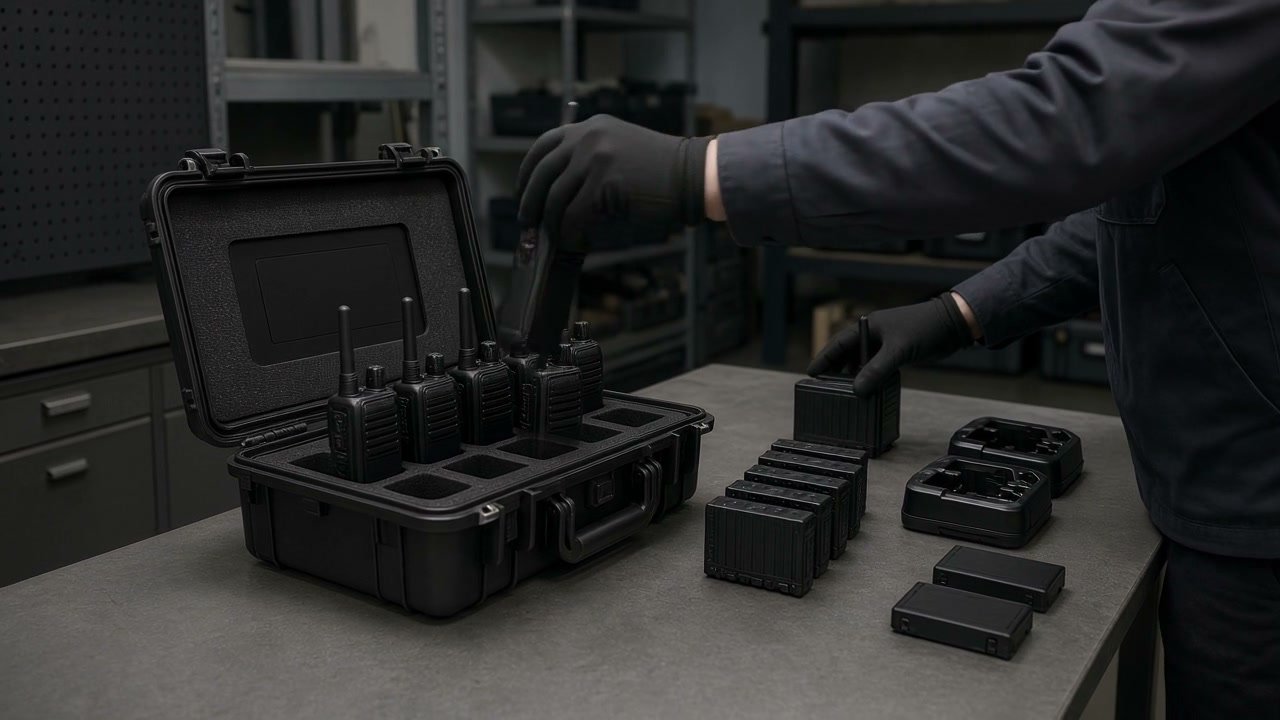
Operating scene reference for close the kit loop.
Record earpieces, chargers, spare units, the charging position and the return owner. A short-term hire works best when the full kit has a clear handover record.
PLANNING MAP
01Accessories
02Charging point
03Spare units
04Return owner
USE THIS NEXT
Close The Kit Loop
Record earpieces, chargers, spare units, the charging position and the return owner. A short-term hire works best when the full kit has a clear handover record.
Routes explain where communication matters and who may be moving between locations. They help the hire list be checked against the real work instead of a quantity alone.
02
Should vehicle handovers be included?
+
Yes. If radios move between people, vehicles or buildings, name the handover points and responsible role so equipment and communication ownership stay clear.
03
What is the minimum return information?
+
A return time, return owner and a list of radios and accessories. Add any reported issue so it is not lost between the job and the handover.
About this guide
Use these guides to organise the operational details, equipment questions and next checks that lead to a clearer radio communication brief. They are general planning resources and do not report a particular team's work, location or outcome. Use it to prepare a clearer internal brief and then confirm decisions against the actual environment, equipment and operating need.
What a mobile service team should include in a short-term radio hire brief: dates, technicians, routes, call groups, handovers, accessories, charging and return ownership.

 01 / THE OPERATING QUESTION