How to keep a radio repair record useful: exact model, asset tag, observed symptom, parts, work requested, result to check and next owner.
01 / THE GUIDE IN CONTEXTREPAIR RECORDKEEPING
For maintenance, fleet and operations teams tracking equipment service work
Useful radio repair records
A repair record is useful when it follows one identifiable unit from symptom through handover. Combining multiple radios, parts and possible replacements in one line makes the history difficult to use later.
OBOR KUASA / INDUSTRY USE-CASE GUIDE · Use these guides to organise the operational details, equipment questions and next checks that lead to a clearer radio communication brief. They are general planning resources and do not report a particular team's work, location or outcome.
01 / THE OPERATING QUESTION
Start with the work.
A repair record is useful when it follows one identifiable unit from symptom through handover. Combining multiple radios, parts and possible replacements in one line makes the history difficult to use later.
02 / THE PLANNING DECISION
Make the next step visible.
Tie each repair record to one asset, then document the observed symptom, scope requested, result to check and the next owner.
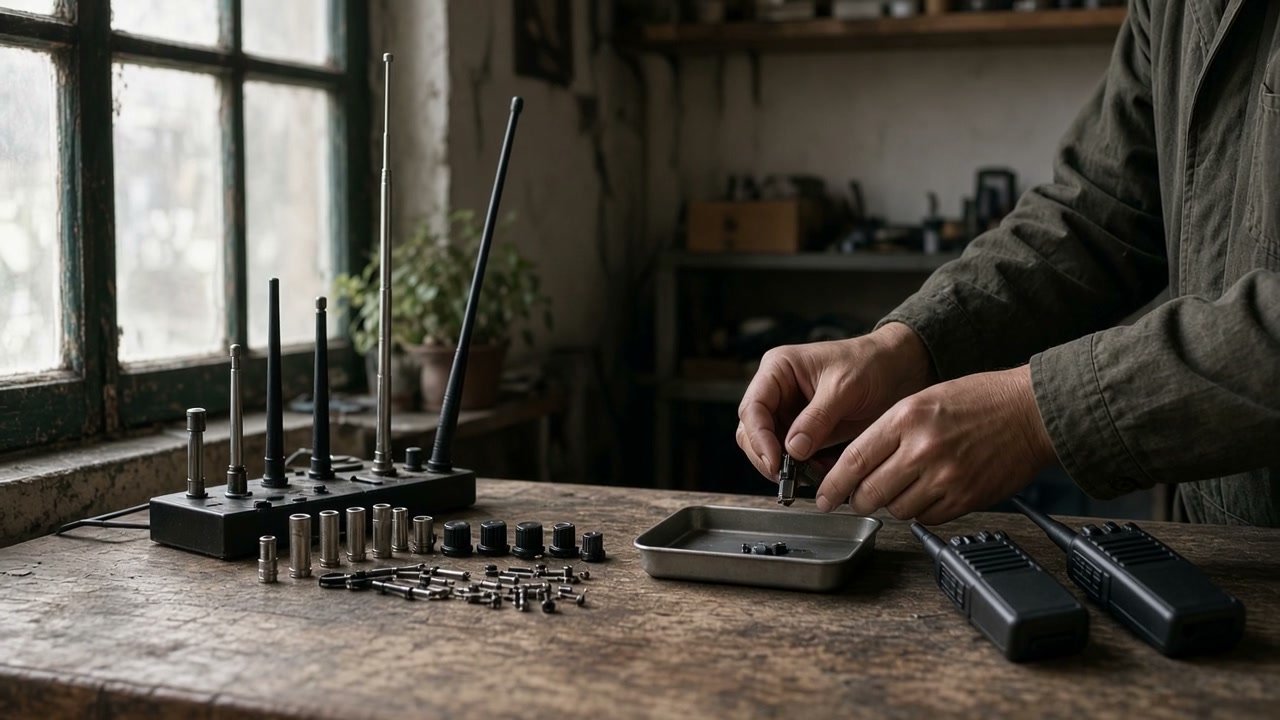
Operating scene reference.
02 / THE PLANNING PATH (04)
START WITH THE WORK. THEN BUILD THE BRIEF.
Tie each repair record to one asset, then document the observed symptom, scope requested, result to check and the next owner.
Use this as a planning guide for a comparable operating environment. Confirm equipment, coverage, programme and service decisions against the actual worksite and current equipment.
01 / 04USE-CASE GUIDE
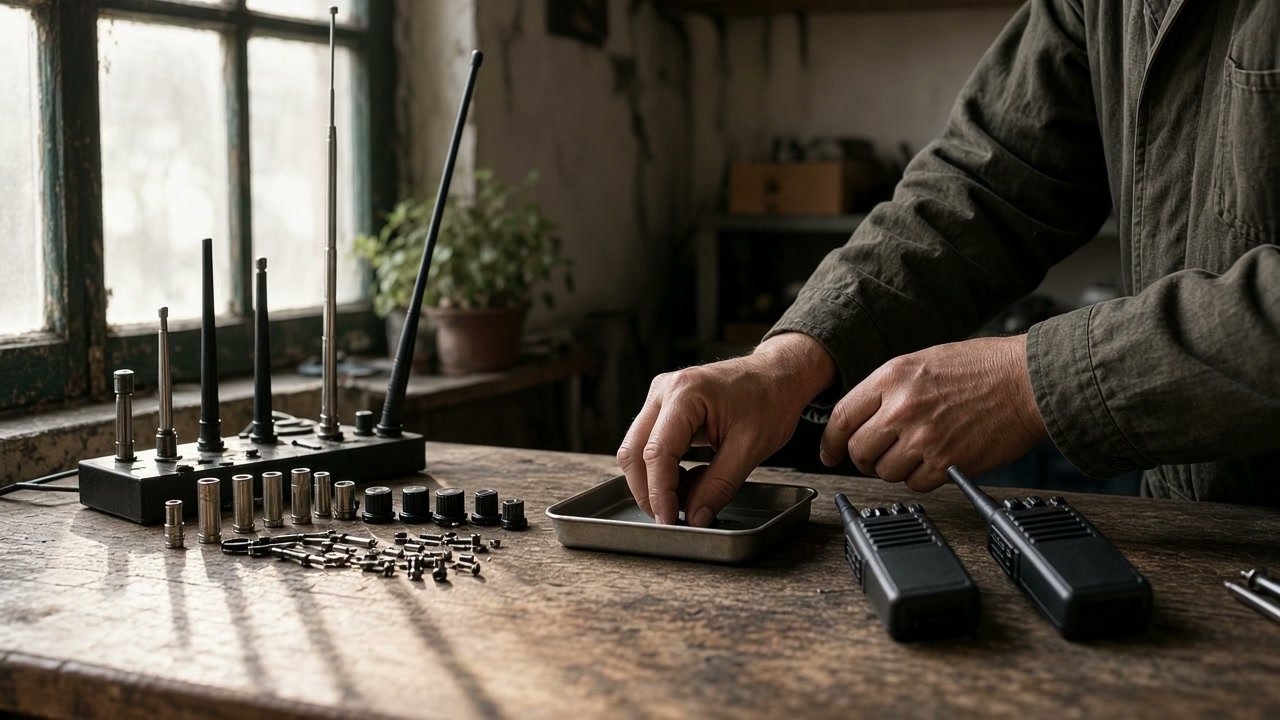
Operating scene reference for the first planning step.
01 / IDENTIFY THE UNITUSE-CASE GUIDE
Make every record traceable to one radio.
Operating scene reference for identify the unit.
Include the exact model, variant if relevant and asset tag. A service history should make it possible to distinguish one unit from another in the fleet.
PLANNING MAP
01Model
02Variant
03Asset tag
04Current owner
USE THIS NEXT
Identify The Unit
Include the exact model, variant if relevant and asset tag. A service history should make it possible to distinguish one unit from another in the fleet.
Record what occurs, when it occurs and which related item is involved. Avoid turning an observation into a diagnosis before the assessment has been completed.
PLANNING MAP
01Observed behaviour
02Timing
03Related equipment
04Operating context
USE THIS NEXT
Write The Symptom
Record what occurs, when it occurs and which related item is involved. Avoid turning an observation into a diagnosis before the assessment has been completed.
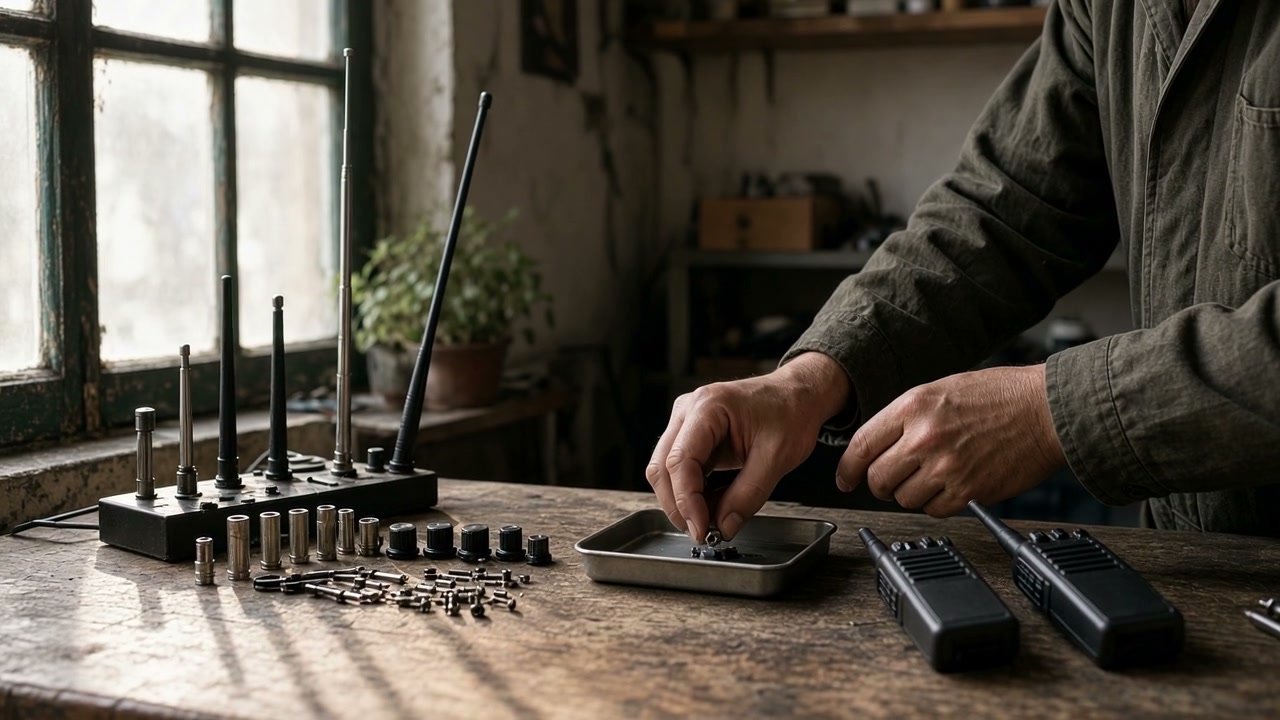
Operating scene reference for record the next step.
State what result needs to be checked, who receives the unit next and whether any question remains open. This keeps the record useful after the equipment changes hands.
PLANNING MAP
01Check required
02Next owner
03Return items
04Open issue
USE THIS NEXT
Record The Next Step
State what result needs to be checked, who receives the unit next and whether any question remains open. This keeps the record useful after the equipment changes hands.
It makes the service history traceable. Combining multiple units can blur symptoms, parts, scope and the next action.
02
Does an observed symptom establish a diagnosis?
+
No. The symptom gives an assessment starting point; the diagnosis should follow the appropriate review and recorded findings.
03
What makes the record useful at handover?
+
A clear next owner, returned-item check, expected functional check and any unresolved issue. That allows the next person to act on the same information.
About this guide
Use these guides to organise the operational details, equipment questions and next checks that lead to a clearer radio communication brief. They are general planning resources and do not report a particular team's work, location or outcome. Use it to prepare a clearer internal brief and then confirm decisions against the actual environment, equipment and operating need.

 01 / THE OPERATING QUESTION