A service-planning brief that separates radio symptoms, asset references, diagnostic work, possible parts and temporary operating needs.
01 / THE GUIDE IN CONTEXTRADIO SERVICE PLANNING
For teams sending radios for service while keeping an operating shift or work route running
Radio service and spares brief
A service request can combine a fault report, parts question, urgent operating need and return check. If these items are not separated, the team cannot see whether the next action is diagnosis, temporary issue, repair or replacement review.
OBOR KUASA / INDUSTRY USE-CASE GUIDE · Use these guides to organise the operational details, equipment questions and next checks that lead to a clearer radio communication brief. They are general planning resources and do not report a particular team's work, location or outcome.
01 / THE OPERATING QUESTION
Start with the work.
A service request can combine a fault report, parts question, urgent operating need and return check. If these items are not separated, the team cannot see whether the next action is diagnosis, temporary issue, repair or replacement review.
02 / THE PLANNING DECISION
Make the next step visible.
One concise service brief gives the team and service provider a clearer route from symptom to check, parts consideration, acceptance test and return ownership.
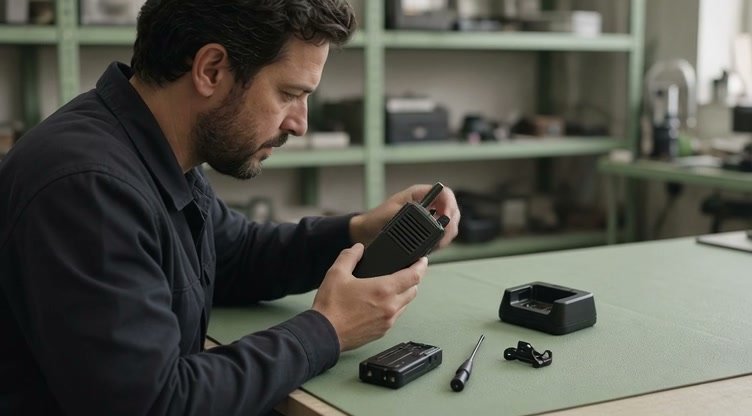
Operating scene reference.
02 / THE PLANNING PATH (04)
START WITH THE WORK. THEN BUILD THE BRIEF.
One concise service brief gives the team and service provider a clearer route from symptom to check, parts consideration, acceptance test and return ownership.
Use this as a planning guide for a comparable operating environment. Confirm equipment, coverage, programme and service decisions against the actual worksite and current equipment.
01 / 04USE-CASE GUIDE
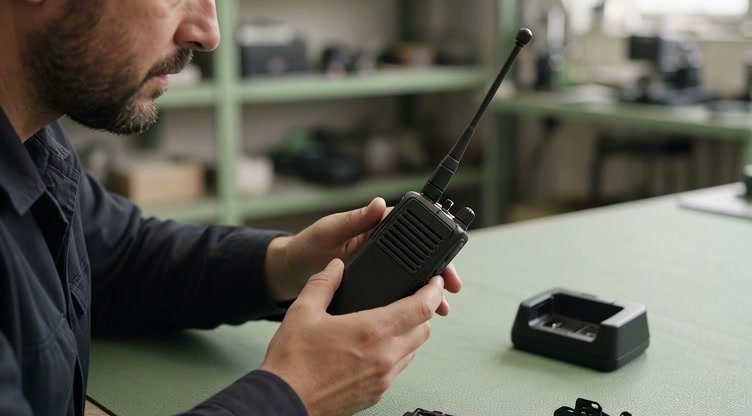
Operating scene reference for the first planning step.
01 / ISOLATE THE FAULTUSE-CASE GUIDE
Keep each radio and symptom on a separate record.
Operating scene reference for isolate the fault.
Capture the exact radio, asset reference, observed symptom and operating context. Do not merge several unit faults into one broad service label.
PLANNING MAP
01Exact radio
02Asset reference
03Observed symptom
04Operating context
USE THIS NEXT
Isolate The Fault
Capture the exact radio, asset reference, observed symptom and operating context. Do not merge several unit faults into one broad service label.
Describe what needs inspection, the work the radio must support when returned and any evidence needed before a repair or replacement decision can be made.
PLANNING MAP
01Diagnostic work
02Desired outcome
03Return use
04Evidence needed
USE THIS NEXT
Request The Check
Describe what needs inspection, the work the radio must support when returned and any evidence needed before a repair or replacement decision can be made.
Keep possible parts distinct from the fault conclusion.
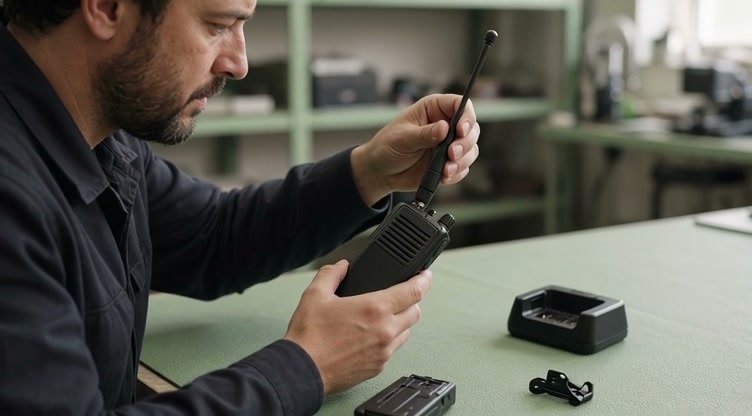
Operating scene reference for separate the parts.
List parts under consideration without assuming they resolve the fault. Mark any accessory, battery or programming question that needs a separate check.
PLANNING MAP
01Parts considered
02Fault conclusion
03Accessory question
04Separate check
USE THIS NEXT
Separate The Parts
List parts under consideration without assuming they resolve the fault. Mark any accessory, battery or programming question that needs a separate check.
Choose the calls or functions that must be checked on return, identify the person who accepts the equipment and record any remaining question for the next shift.
PLANNING MAP
01Acceptance calls
02Return owner
03Open question
04Next shift
USE THIS NEXT
Plan The Return
Choose the calls or functions that must be checked on return, identify the person who accepts the equipment and record any remaining question for the next shift.
Does a parts list prove the cause of a radio fault?
+
No. Parts under consideration should be kept separate from the diagnosis and acceptance check.
02
Should a temporary radio be included in the service brief?
+
Yes, when work must continue. Record the temporary need separately from the service outcome for the original radio.
03
What should be checked when the radio returns?
+
Agree the practical calls or functions that matter to the operating team, then record any remaining issue before the next shift.
About this guide
Use these guides to organise the operational details, equipment questions and next checks that lead to a clearer radio communication brief. They are general planning resources and do not report a particular team's work, location or outcome. Use it to prepare a clearer internal brief and then confirm decisions against the actual environment, equipment and operating need.

 01 / THE OPERATING QUESTION