


 Illustrative image
0101
Plantations
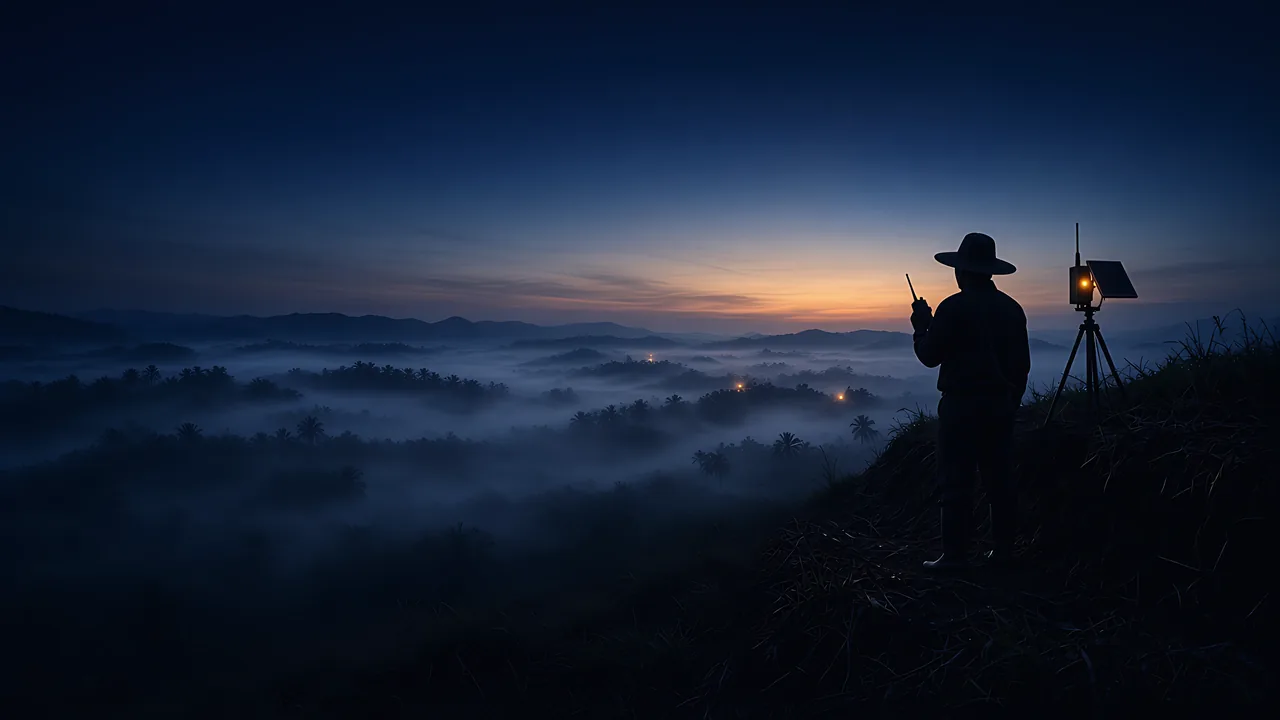
Spread-out outdoor sites where teams work far apart.
Portable relay nodes pass the signal along a chain (multi-hop), giving teams another way to stay in contact where a conventional repeater is hard to place.
01 Where LoRa can fit
LoRa walkie talkies carry voice over a LoRa radio link. Obor Kuasa plans, sets up and supports LoRa walkie talkie systems for teams in Malaysia.
Illustrative imageSpread-out outdoor sites where teams work far apart.
 Illustrative image
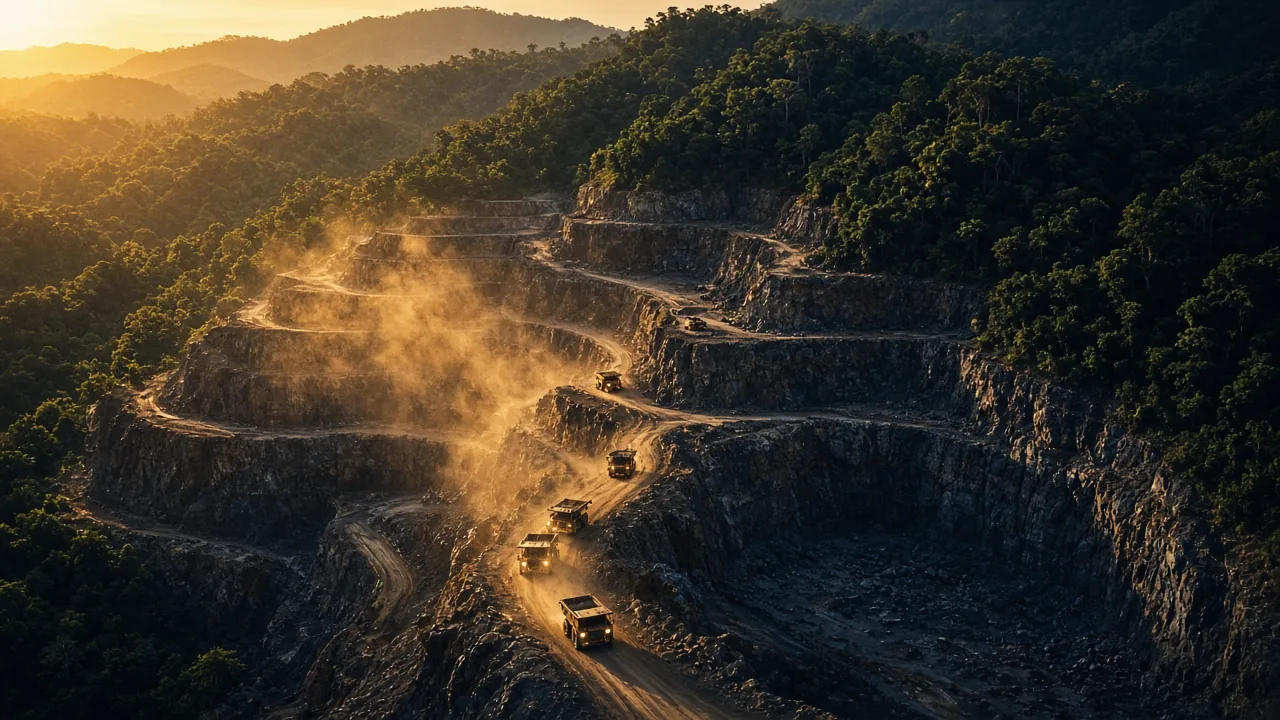
Temporary or moving work areas, where relay nodes can be repositioned as the work moves.
 Illustrative image
Long outdoor routes where a conventional repeater is hard to place.
 Illustrative image
As a second communication path alongside an existing radio system.
02 Follow the signal
Spread-out or moving work areas where handhelds lose contact and a conventional repeater is hard to place.
Portable relay nodes pass the signal along a chain (multi-hop) so the link reaches every work area.
Relay nodes can be repositioned as the work moves. Range depends on terrain, vegetation, buildings and node placement.
03 What we plan and deliver
Range depends on terrain, vegetation, buildings and node placement, so we do not quote a fixed distance before checking the site.
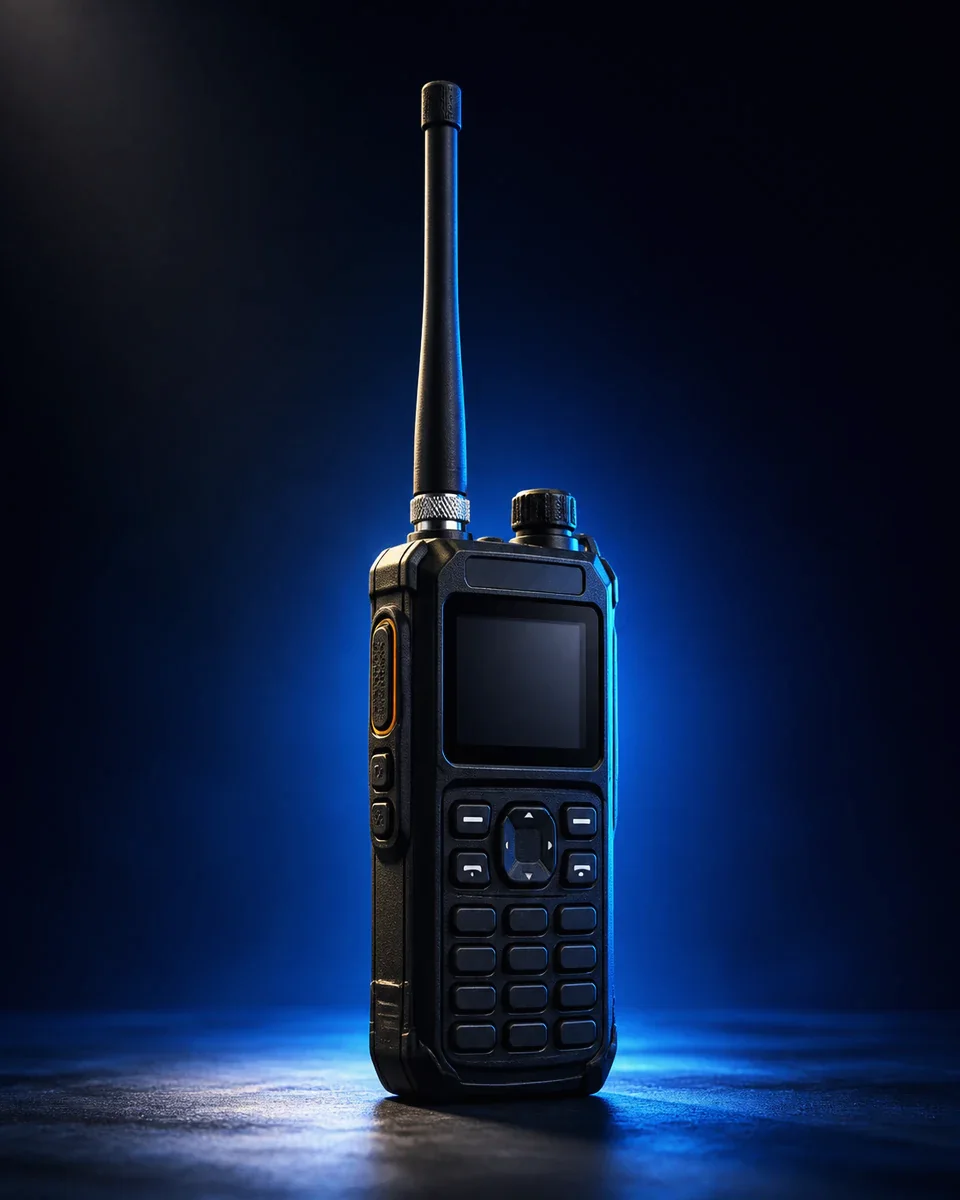
Voice carried over a LoRa radio link.

Portable relay nodes pass the signal along a chain so the link reaches every work area.
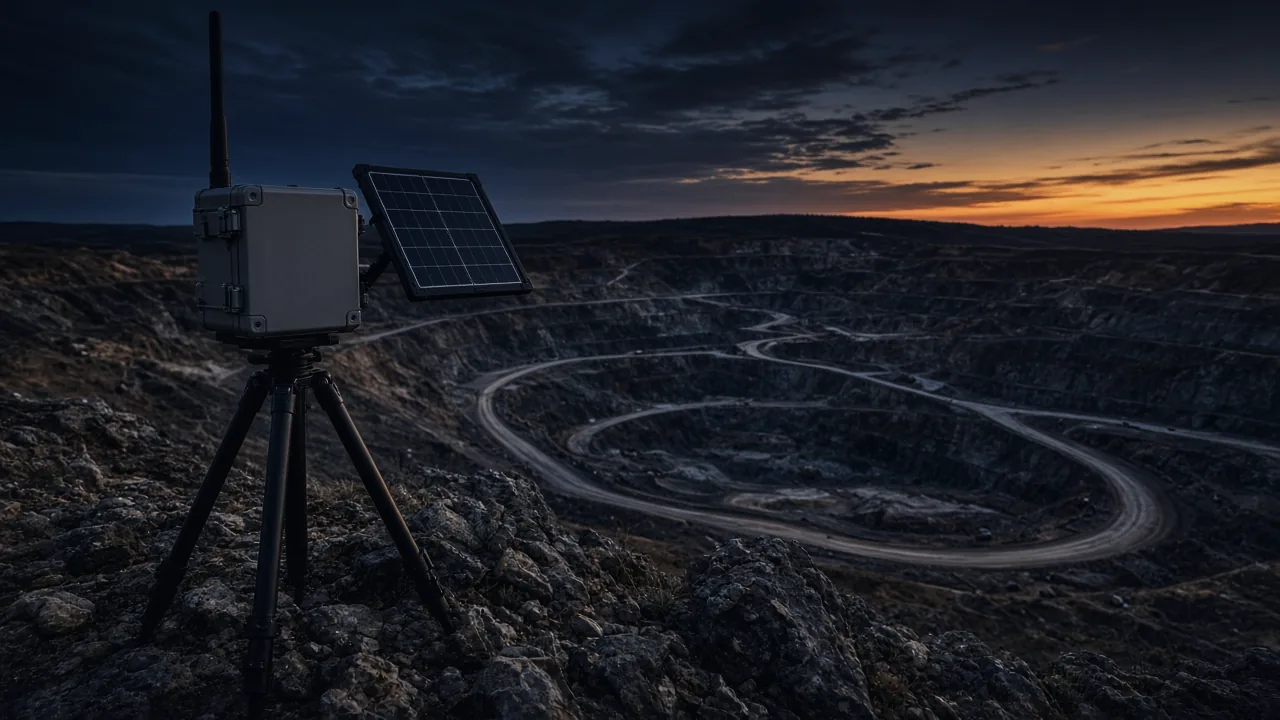
Relay nodes can be repositioned as the work moves.
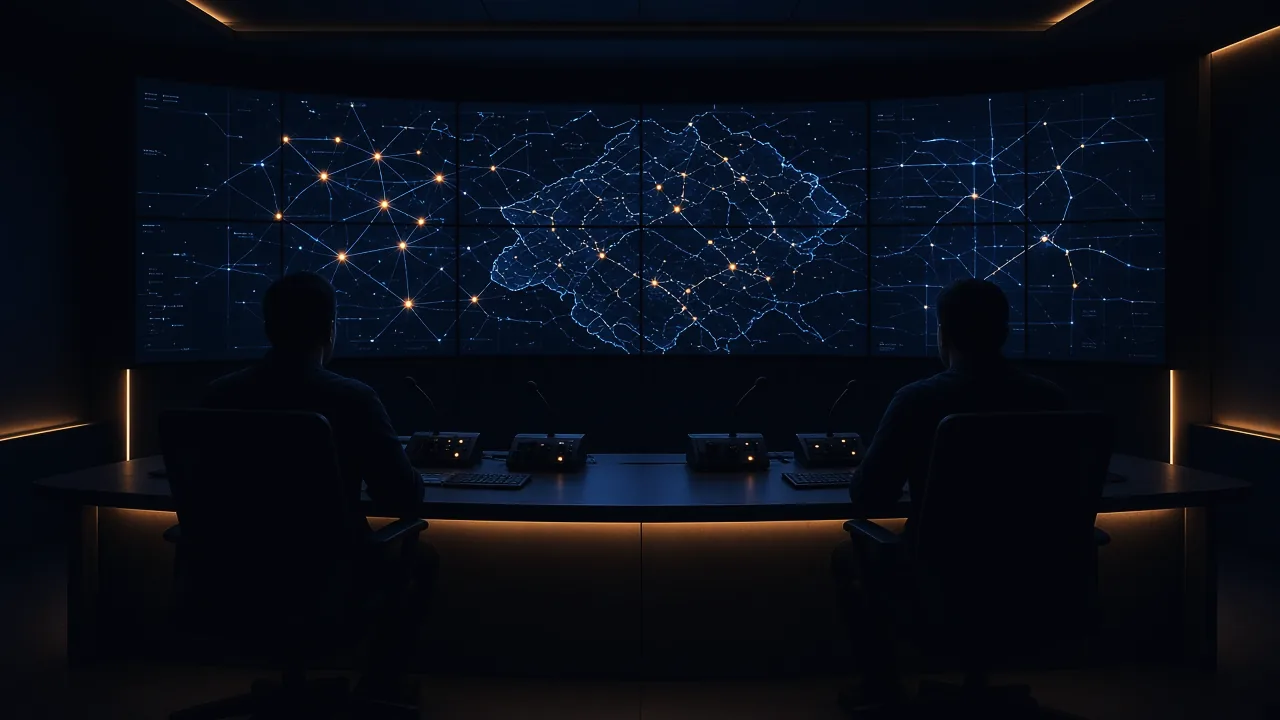
User briefing, a record of the setup, and support afterwards.
04 Coverage topology
Select a block or a view. Light pulses travel from node to node; an existing radio system can stay in place as the main path.
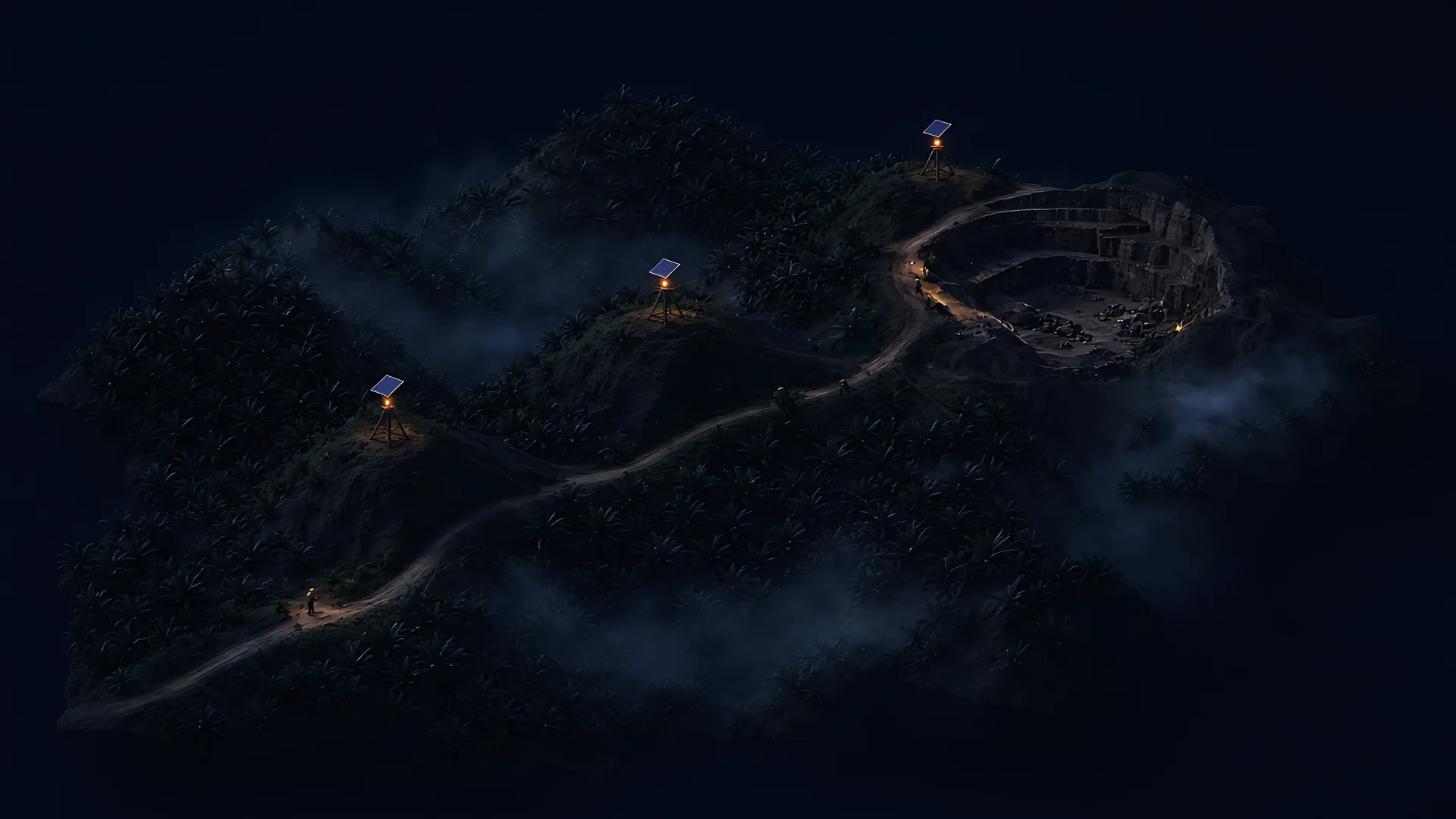
Many teams use LoRa as a second path in the areas their current system does not cover.
LoRa walkie talkies carry voice over a LoRa radio link.
Portable relay nodes pass the signal along a chain (multi-hop).
Where portable relay nodes go so the link reaches every work area.
Relay nodes can be repositioned as the work moves.
Test calls along the planned path before handover.
05 How it works
How we approach a LoRa deployment, in four steps.
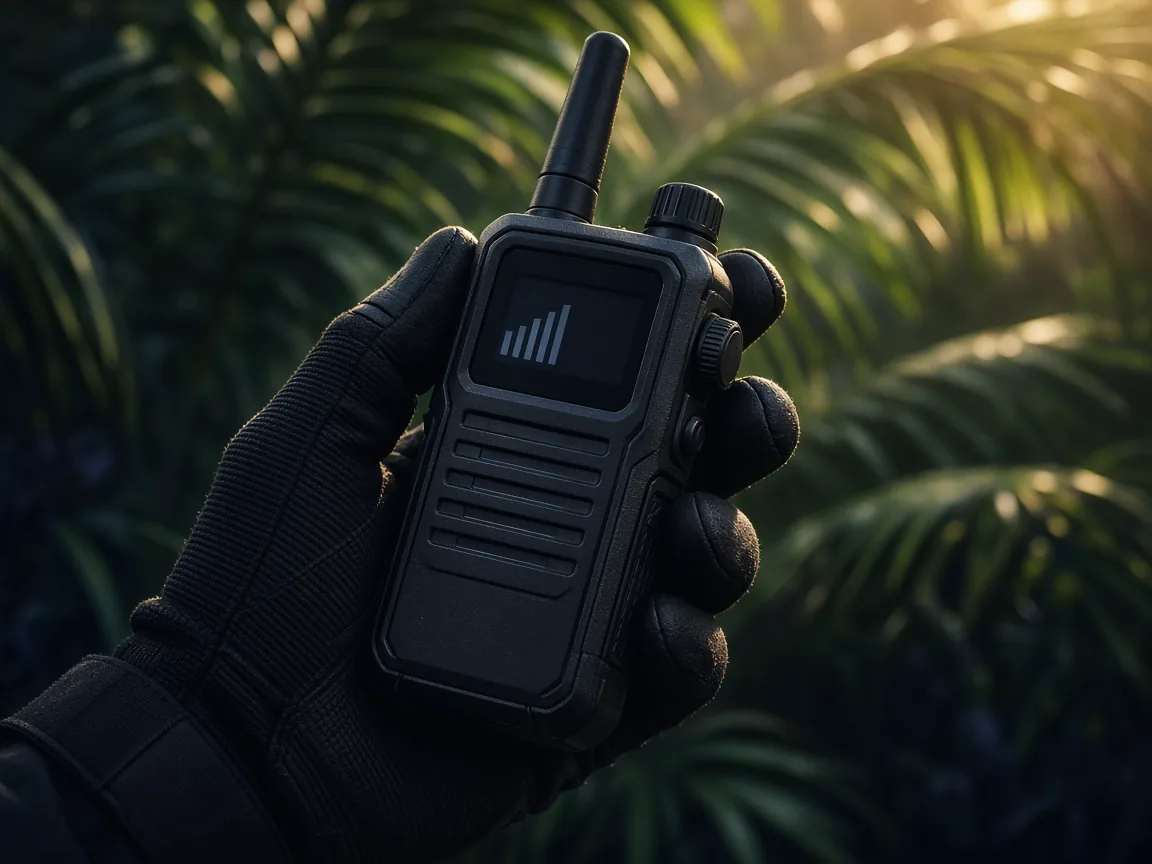
Where people work, how they move, and where contact is lost today.
Where portable relay nodes go so the link reaches every work area.
Test calls along the planned path before handover.
User briefing, a record of the setup, and support afterwards.
Range depends on terrain, vegetation, buildings and node placement, so we do not quote a fixed distance before checking the site.
06 Industries
Examples of spread-out and moving work environments on oborkuasa.com.
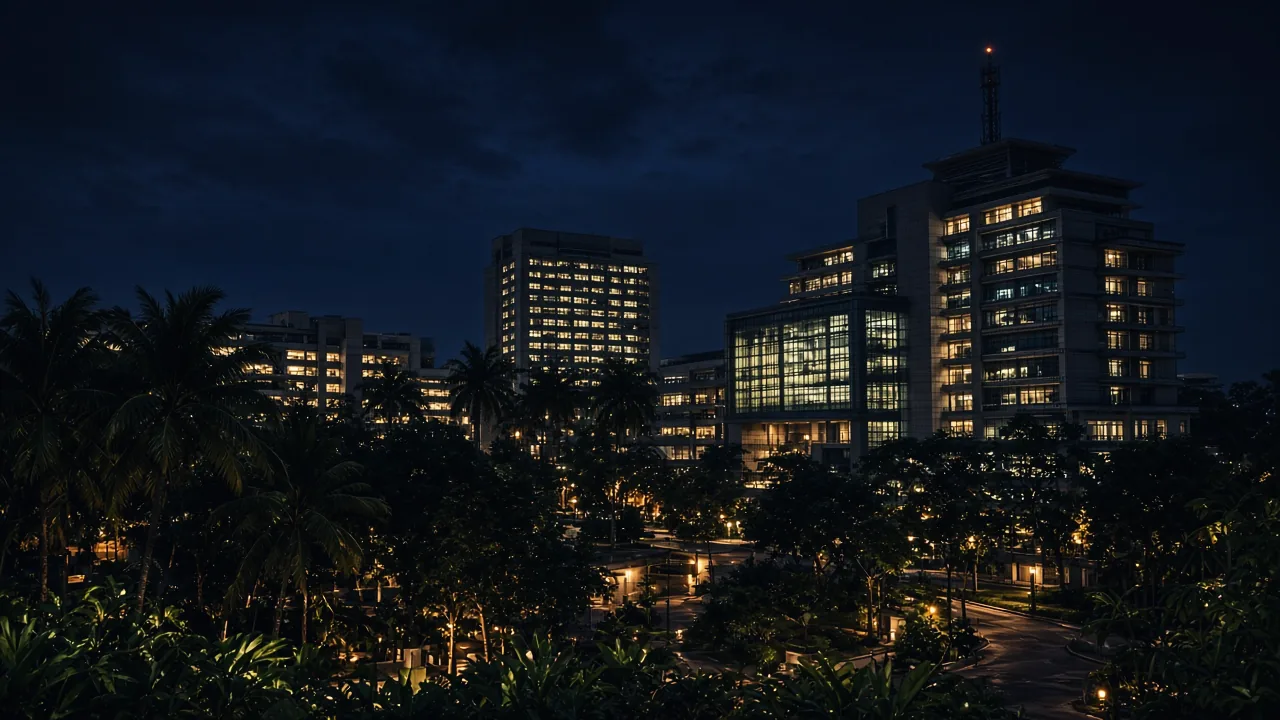
Case studies on oborkuasa.com
Card images are illustrations; each link opens the full case study.
Talk about your site07 Before / after
Drag the handle. Left: handhelds alone across a spread-out site. Right: the same area with portable relay nodes.
Licensing
Radio use in Malaysia is regulated by MCMC. We check the requirements for the equipment and band used in your deployment.
Range
How far it reaches depends on the site. We confirm it with on-site checks rather than a brochure figure.
08 Gallery
AI-generated illustrations of typical Malaysian work sites — not project photos. Select an image to enlarge.
09 Field questions
Short answers. Range and placement are confirmed on site.
Not necessarily. Many teams use it as a second path in the areas their current system does not cover.
It depends on the site. We confirm it with on-site checks rather than a brochure figure.
Related pages
Company
OBOR KUASA (M) SDN BHDSSM 202401029011 / 1574859-V
Office
M1-07-3A, Menara 1, 8TRIUMBandar Sri Damansara, Kuala Lumpur
Phone / WhatsApp · Email
Hours
Open daily9am–6pm
10 Start with the site
Tell us where people work, how they move and where contact is lost today.

